
Top 10 Industrial Pipeline Manufacturers Worldwide
Industrial Pipeline manufacturers are often compared by output, yet tonnage alone says little about reliability. Buyers also need to assess material grades, manufacturing controls, coating systems, delivery reach, and documented project experience. The best supplier for a deepwater project may not suit a municipal water network. Details matter.
The International Energy Agency’s Global Methane Tracker 2024 estimated nearly 120 million tonnes of methane emissions from fossil-fuel operations in 2023. This figure covers the wider sector, not pipelines alone. Still, it underscores why leak prevention, inspection access, and durable joining methods deserve attention when evaluating pipeline products. IEA Executive Director Fatih Birol has repeatedly called for proven methane-reduction measures to be deployed across the energy sector. That is an expert priority, not a manufacturer endorsement.
This Top 10 Industrial Pipeline Manufacturers Worldwide overview considers product range, geographic presence, technical capability, and publicly documented experience. It also recognizes that published company claims are not always comparable. Some firms report capacity; others emphasize project references or specialized materials. That makes any ranking imperfect. Readers should verify current certifications, facility capabilities, and project-specific compliance directly with suppliers before making procurement decisions. A polished catalog is not proof of performance.
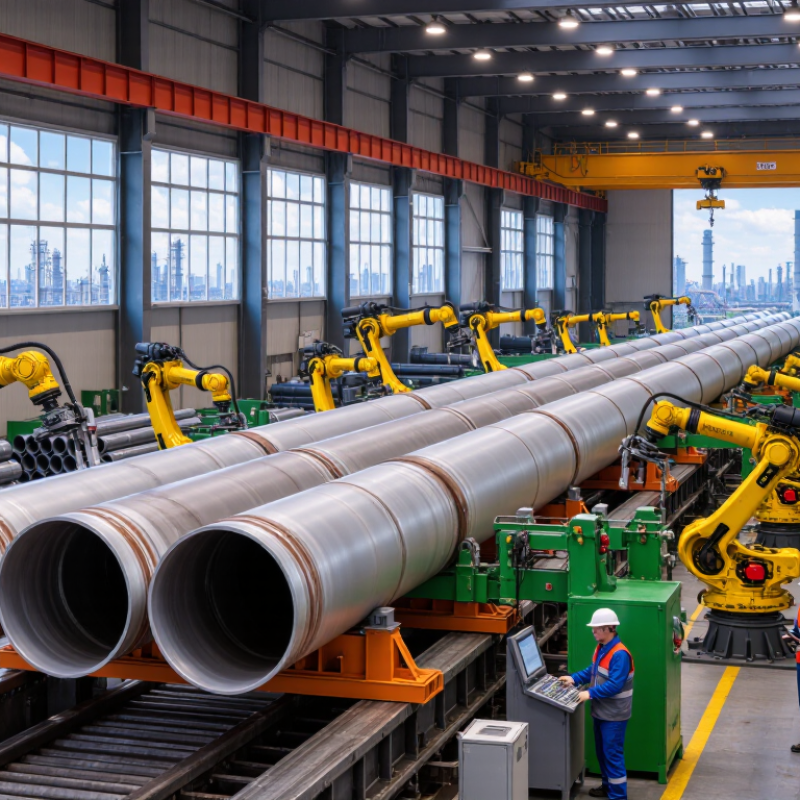
Industrial Pipeline Market Scope: Product Types, Materials, and Applications
Industrial pipeline scope extends well beyond long-distance oil and gas lines. Product categories include process piping, transmission lines, pressure pipes, and plant tubing. Materials range from carbon and alloy steel to stainless steel, ductile iron, and polyethylene. Each suits different conditions: a stainless line may handle corrosive chemicals, while polyethylene is common in water networks. Applications include energy, chemical processing, power generation, mining, and water treatment.
Grand View Research estimated the broader global pipe market at US$146.3 billion in 2023, forecasting a 5.1% compound annual growth rate from 2024 to 2030. This figure covers more than industrial pipelines, so it should not be treated as a direct measure of industrial demand.
For buyers, material grade, pressure rating, temperature, and connection method matter as much as pipe diameter. A mismatch can mean costly repairs.
Tip
Check the fluid, operating temperature, pressure, and corrosion risks before comparing materials. Then confirm dimensions and joining requirements against the project specification. A category boundary can be fuzzy: the same facility may use several pipe types and materials. That complicates simple comparisons, but reflects real plant design.
