
What Are the Top 10 Mud Pump Valve Types?
A Mud Pump Valve may look like a small, replaceable part, but its condition affects fluid circulation, pressure stability, and maintenance intervals. In a rig’s mud pump, valves repeatedly open and close as liners draw in and discharge drilling fluid. Abrasive solids, changing pressure, and poor seating can accelerate wear. The result may be leakage, reduced pump performance, or an unplanned inspection. Small part. Large consequences.
This guide compares ten common valve types and design variations, including differences in material, geometry, and typical service conditions. It uses established references such as API Specification 7K, which covers drilling and well-servicing equipment, and the IADC Drilling Manual for operational context. Baker Hughes’ rig-count reports also help describe drilling activity, though rig counts cannot predict valve life or prove one design is superior. That distinction matters. Field conditions vary.
A practical comparison should connect valve choice with fluid properties, pump model, operating pressure, and maintenance access. For example, a valve that handles abrasive mud well may still be a poor fit if its dimensions do not match the fluid-end assembly. Manufacturer specifications and inspection records should therefore guide final selection. No universal winner exists. The following overview offers a clear starting point, while recognizing that published guidance cannot replace equipment-specific checks or experienced field judgment.
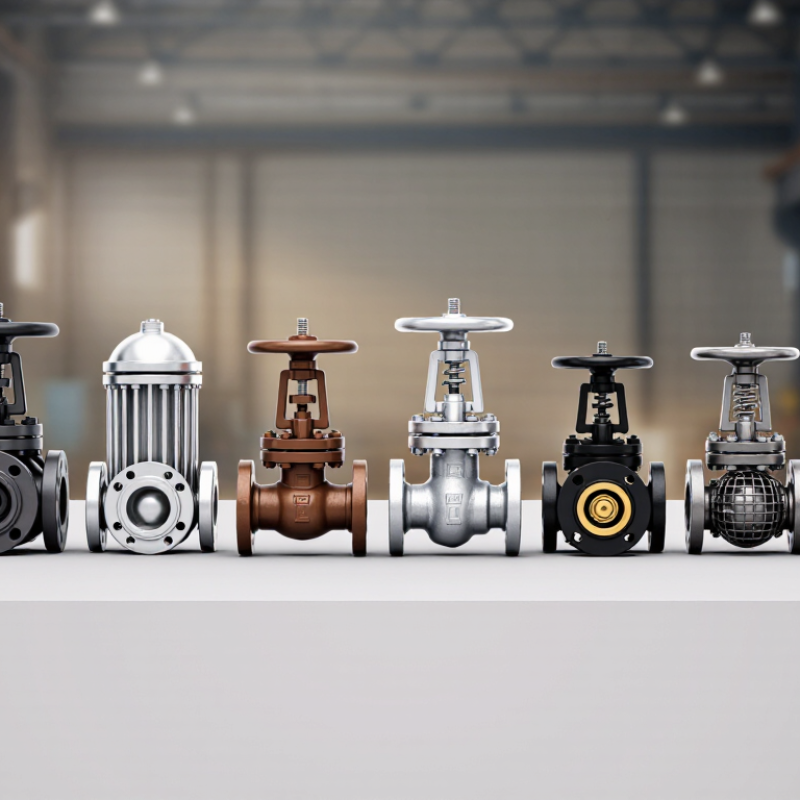
Mud Pump Valves and Their Role in the Pumping Cycle
Mud pump valves control the one-way movement of drilling fluid through each pumping cycle. On the piston’s pullback stroke, pressure inside the fluid end drops. The suction valve opens, while the discharge valve stays seated. Mud enters the cylinder, carrying suspended solids that can gradually wear valve faces and seats.
Then the piston advances. The suction valve closes, and rising pressure opens the discharge valve. Fluid moves into the discharge line and toward the standpipe. That matters. A valve that seals poorly can let fluid slip backward, lowering flow and causing pressure fluctuations. Operators may notice uneven pressure readings, unusual vibration, or a change in pump performance before damage is obvious.
Ball-and-seat, guided, plate, and poppet designs handle this cycle in different ways. No single style suits every fluid end. Solids content, operating pressure, and maintenance conditions all affect valve choice and service life. A clean diagram makes the action look perfectly timed; actual mud is abrasive, and wear is rarely uniform. Inspection should include the seat as well as the moving valve, since replacing one worn part alone may not restore a reliable seal.
