
Who Are the Top 10 Laser Cut Parts Manufacturers in China?
Laser cutting is no longer a niche process for sheet metal shops. It supports rapid prototyping, repeat production, and intricate profiles across automotive, electronics, machinery, and construction. Grand View Research’s Laser Cutting Machines Market report estimated the global market at approximately US$5.26 billion in 2023 and projected continued growth through 2030. That figure describes equipment, not finished parts. Still, it signals rising investment in the technology behind modern fabrication.
For buyers, a capable supplier must offer more than a powerful laser. Material grade, thickness, kerf width, edge quality, flatness, and batch consistency all affect whether a part fits during assembly. A clean-looking sample is useful. Inspection records are better. Ask about cutting capacity, fiber-laser equipment, deburring, bending, welding, and quality-control procedures. ISO certification can offer useful context, but it does not replace part-specific checks or clear communication about tolerances.
This guide introduces ten Chinese manufacturers of Laser Cut Parts and explains what buyers should compare before requesting a quote. Company capabilities can change, and public profiles do not always reveal production limits or inspection methods. That is a real limitation. Treat the list as a starting point, then verify drawings, samples, lead times, and documentation directly with each supplier. The right choice depends on your material, order volume, finish requirements, and delivery schedule—not simply the lowest price.
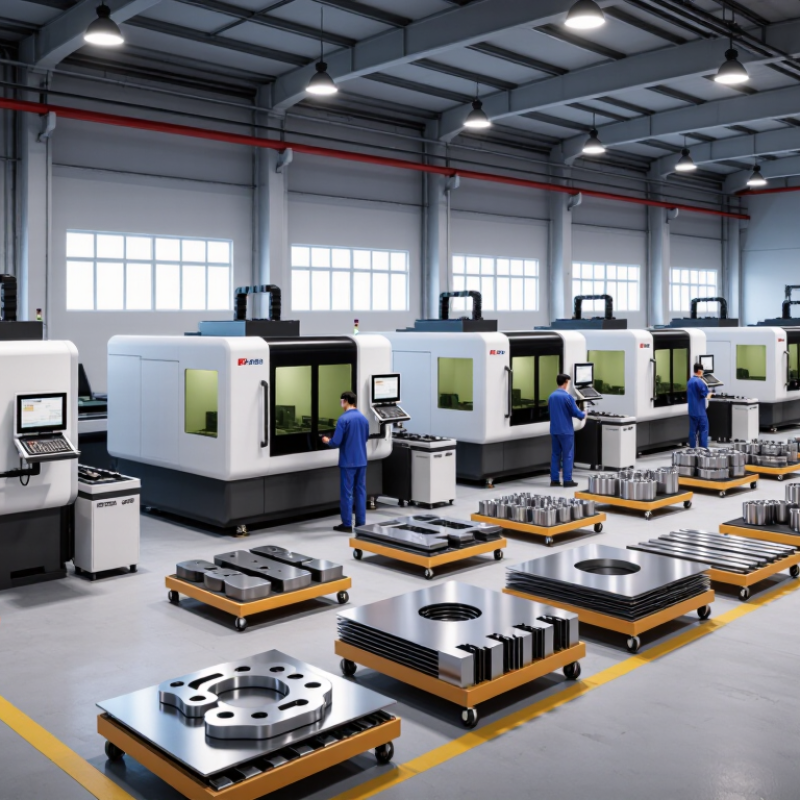
Laser-Cut Parts Manufacturing in China: Industry Overview
China’s laser-cut parts industry ranges from focused job shops to factories that also bend, weld, and finish components. This mix supports products such as electrical enclosures, machine guards, brackets, and decorative panels. Common materials include mild steel, stainless steel, and aluminum, though suitable thickness depends on the machine, cutting settings, and part geometry. Small details matter.
A dependable supplier should review drawings, confirm tolerances, and flag features that may distort during cutting. Look beyond a clean sample: inspect edge burrs, hole positions, flatness, and consistency across a batch. Ask how parts are measured and whether inspection records can be provided. These checks make comparisons more useful than relying on quoted price alone.
Lead times depend on material availability, nesting efficiency, finishing requirements, and current production load. Short runs may suit prototyping, while repeat orders need stable settings and clear revision control. A low quote can conceal extra work, such as deburring or correcting fit. Even a precise laser cannot resolve an unclear drawing; buyers and manufacturers sometimes need to revisit assumptions before production starts.
