
Top 10 Laser Cleaning Equipment Manufacturers Worldwide?
Choosing a laser cleaning system is less about finding the most impressive headline and more about matching a machine to real work. A workshop removing rust from steel fixtures has different needs from a maintenance team cleaning delicate molds or large structural parts. This guide to the Top 10 Laser Cleaning Equipment Manufacturers Worldwide introduces companies serving these varied applications. It considers product range, technical documentation, customization, support, and the clarity of published specifications.
The details matter. A handheld unit’s weight, cable length, cooling method, and control settings can affect a full shift more than a dramatic power claim. Buyers should also ask about training, spare parts, service response, and sample cleaning tests on their own materials. A brochure is not a performance trial. Rankings can be useful, but they are never universal: local support, budget, and workload may change the best choice. That is where comparisons get messy.
The manufacturers featured here are presented as a starting point, not a guaranteed endorsement. Their product lines and service coverage can change, so confirm current details directly before making a purchase. When comparing Laser Cleaning Equipment, look for evidence that reflects your material, contamination, and production pace. A short demonstration on a real part may reveal more than a long feature list. And sometimes, the right answer is less obvious than expected.
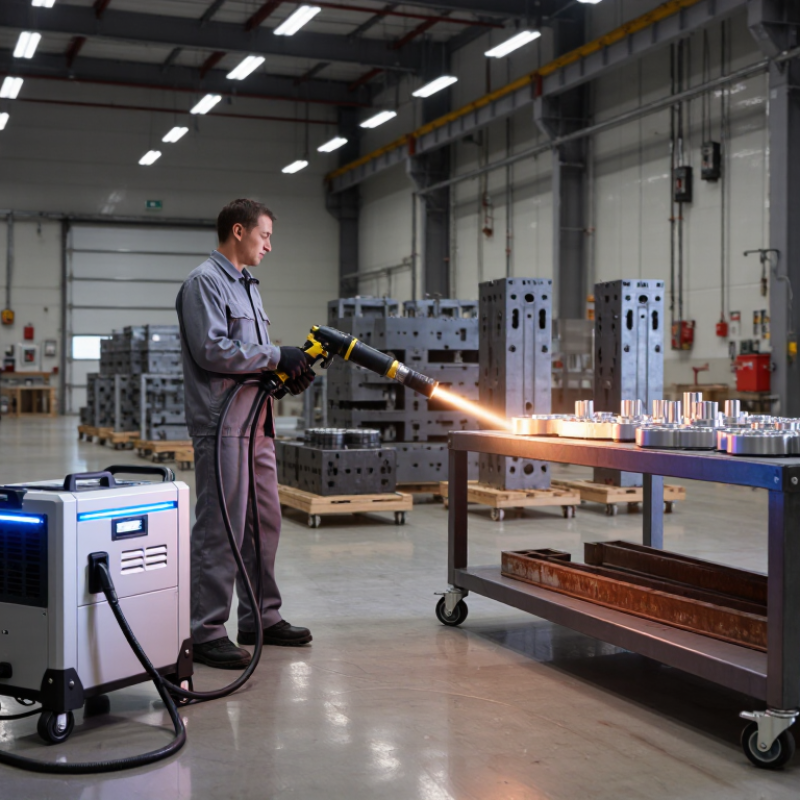
What Laser Cleaning Equipment Is and How the Process Works
Laser cleaning equipment uses a focused beam to remove rust, paint, oxide, or other surface residue. The process is often called laser ablation. The beam heats a thin layer of unwanted material, which breaks away or vaporizes. The underlying surface can remain intact when operators choose suitable settings. Not magic. Surface tests matter. A pulsed laser delivers short bursts, while a continuous beam supplies energy steadily. The right choice depends on the material, coating, and cleaning speed required.
Tips: Test a small, hidden area first. Check the surface under good lighting. Use suitable eye protection and fume extraction. Keep people outside the controlled work area.
In practice, an operator adjusts power, pulse frequency, and scanning speed. A handheld head may move across a metal part, removing a narrow strip at a time. Too much energy can discolor or damage the base material. Too little may leave residue behind. Results also vary with coating thickness and surface shape. Deep corners can be easy to miss. Careful inspection and a second pass may be needed. Before choosing equipment, compare its working range, controls, and service support with the materials you actually clean.
