
China Top 10 Electrical Relay Manufacturers
China’s relay industry serves equipment makers across power distribution, automation, home appliances, and transport. This guide introduces ten Chinese electrical relay manufacturers and the strengths buyers may want to compare. Relays Electrical products can look similar in a catalog, yet their contact ratings, coil voltage, insulation distance, and service life differ. Small details matter. A relay selected for a control cabinet must match the actual load, switching frequency, ambient temperature, and available space.
The companies discussed here are considered through practical factors: product range, manufacturing capability, quality systems, technical support, and experience serving domestic or export markets. These indicators help build a useful shortlist, but they do not replace a datasheet review or sample testing. A polished website is not proof of performance. Buyers should confirm certifications for the intended application, request test reports, and check lead times and customization terms directly with each supplier. No list can capture every factory’s latest capacity or every project’s conditions. Rankings also depend on the buyer’s priorities; cost may matter to one team, while long mechanical life matters more to another. The comparison is a starting point, not a final verdict. We may miss a capable supplier. That’s worth acknowledging. With clear specifications and careful verification, readers can approach China’s relay market with better questions and fewer assumptions.
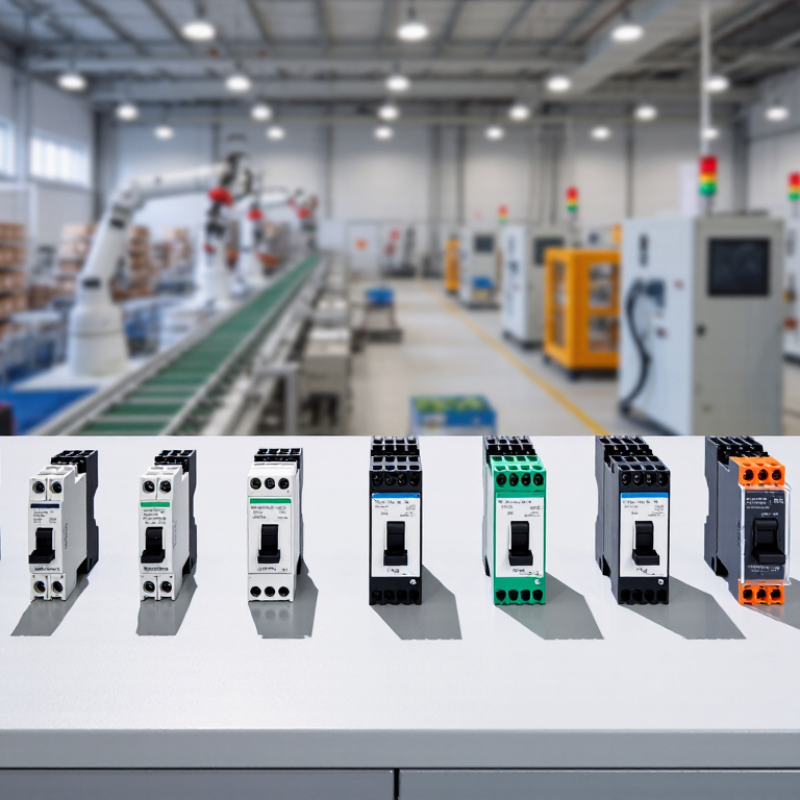
What Electrical Relays Are and How They Work
What Electrical Relays Are and How They Work
It is a switch. An electrical relay uses a small control signal to operate contacts in a separate circuit. In an electromechanical relay, current through a coil creates a magnetic field. That field pulls a metal armature, moving contacts with a distinct click. Normally open contacts close; normally closed contacts open. This separation lets a low-power control circuit switch a higher-power load, though it does not make every circuit safe by itself. Solid-state relays use semiconductor components instead of moving contacts, so they have no mechanical click and can suit frequent switching.
Selection depends on coil voltage, contact rating, load type, and expected switching frequency. A motor or solenoid can create an inductive voltage spike when switched off, stressing contacts. Check the relay’s specified load ratings, not only its headline current value. The IEA’s Electricity 2025 report says global electricity demand rose 4.3% in 2024. That broader growth makes dependable control equipment increasingly relevant, but it does not mean every application needs the same relay. A detail that is easy to overlook: contact wear and heat can change performance over time.
Tips: Match the coil voltage to the control supply, and check the load’s starting current. For DC coils, consider suppression components where the circuit design permits them. Leave space for heat dissipation, then verify operation under the actual load. One bench test is useful, but not the whole story.
