
China Top 10 Electric Mini Truck Manufacturers
China’s electric mini-truck market is shaped by dense city streets, short delivery routes, and growing demand for quieter, lower-emission transport. For fleet buyers, the badge is only part of the decision. Payload, real-world range, charging time, service coverage, and battery warranty can matter more than a polished brochure. A truck carrying produce before dawn faces different demands from one moving parcels between warehouses.
This guide to China’s top 10 Electric Mini Trucks manufacturers introduces companies competing across light-duty commercial vehicles. It considers product range, manufacturing experience, battery and vehicle integration, export activity, and after-sales support. BYD chairman Wang Chuanfu has described vehicle electrification as “an irreversible trend.” That perspective helps explain the market’s direction, but it does not mean every electric model suits every fleet. Details matter.
Rankings can shift as new models launch and company data changes. Some manufacturers publish more specifications than others, so comparisons may not be perfectly even. Buyers should check current payload ratings, usable battery capacity, local service access, and operating costs against their own routes. A low purchase price can look attractive, yet downtime or limited charging access may alter the calculation. This overview is a starting point, not a substitute for a vehicle inspection or a route-specific assessment. The practical choice is often less obvious than the headline list suggests.
What Defines an Electric Mini Truck in China?
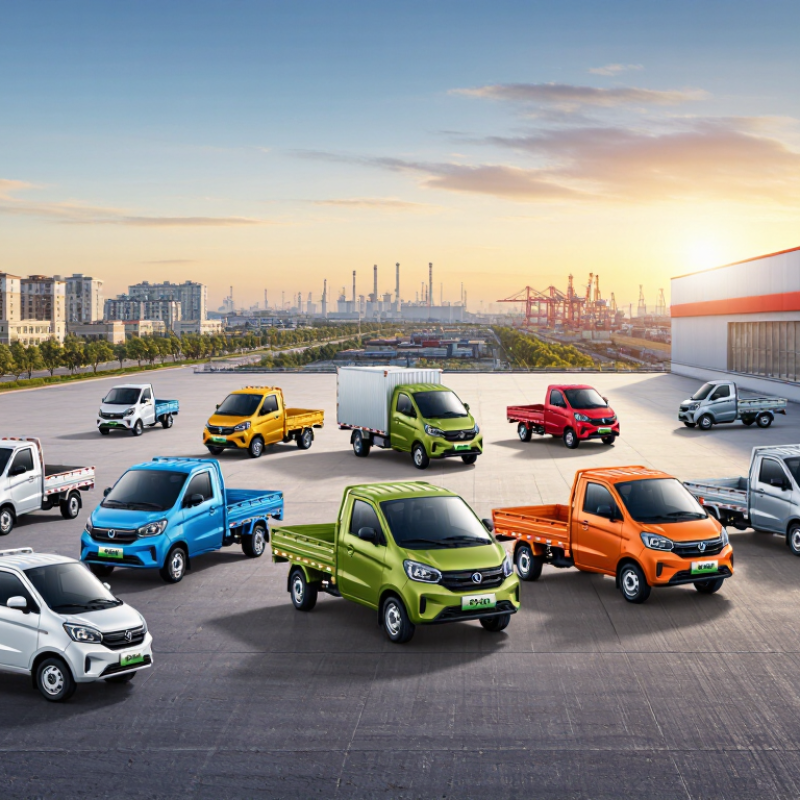
In China, an electric mini truck is generally a compact, battery-powered work vehicle built for local delivery and light-duty transport. The category is not perfectly tidy. Cab-over designs, short wheelbases, and narrow bodies are common, but names and dimensions can vary between manufacturers. What matters is the usable load area, rated payload, and whether the truck can navigate tight lanes or crowded loading bays.
Its electric drivetrain replaces an engine with a motor, battery pack, and charging system. Buyers should compare payload with the truck’s own weight, not just bed size. A larger battery may extend operating range, but it can also reduce available carrying capacity. Real-world distance depends on load, stop frequency, road slope, temperature, and driving style. Numbers need context. A delivery route with frequent stops may use energy differently from a steady suburban run.
A careful assessment also checks braking, steering, tire capacity, visibility, and charging access at the depot. Battery placement can affect cargo space and handling, so specifications deserve close reading. I would want to see the truck loaded and tested on its intended route. A compact vehicle is still a working vehicle. Registration categories and permitted uses can differ by location, so confirm the details before purchase. Some product claims look precise, yet leave out the conditions behind them.
