
China Top 10 Stainless Steel Hollow Bar Suppliers?
Stainless Steel Hollow Bar is a specialized product, not simply solid bar with a hole. Its internal bore, wall thickness, straightness, surface finish, and grade all affect machining time and service life. For buyers, small differences matter. A rough bore can mean extra tool wear; inconsistent dimensions can disrupt a production run.
The market sits within a substantial materials industry. World Stainless reported global stainless-steel crude production of about 58.4 million tonnes in 2023, up from 55.3 million tonnes in 2022. This figure covers stainless steel overall, not hollow bar alone—a distinction supplier comparisons often overlook. Metallurgist Harry Brearley is widely associated with the remark, “I did not invent stainless steel; I discovered it.” His work reminds buyers that material performance depends on understanding the alloy, not just its name.
This guide examines ten suppliers through practical criteria: product range, grade availability, manufacturing capability, quality documentation, customization, and export experience. The aim is to help engineers and purchasing teams ask better questions before requesting quotations. Can a supplier provide traceable test certificates? Are tolerances stated clearly? Will sample dimensions match the production order? These details deserve attention.
No list can suit every application. Some buyers need corrosion resistance; others prioritize machinability, lead time, or cost. Supplier information also changes, and published claims may not tell the whole story. Use this overview as a starting point, then verify specifications directly with each company. A careful comparison takes time. So does correcting a poor fit.
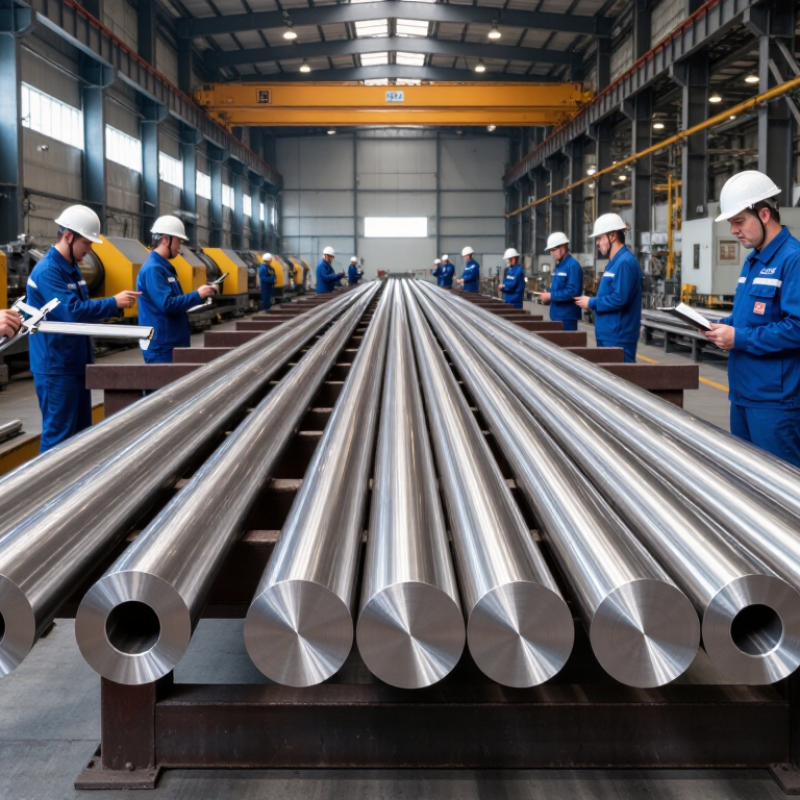
What Stainless Steel Hollow Bars Are and How They Are Made
A stainless steel hollow bar is a round product with a central bore running through its length. It is often used when a component needs a machined inner and outer surface, such as a pump shaft or valve body. The bore can reduce excess material, but it does not automatically make a part lighter or cheaper. Dimensions and machining needs matter.
Production routes vary. One common method heats a solid stainless billet and pierces it to create a hollow center. The tube-like shell may then be rolled or drawn to refine its diameter and wall thickness. Some products are made by drilling or boring solid stock instead. Heat treatment can help achieve specified mechanical properties, while pickling removes surface scale. Straightening and dimensional checks follow. Small variations remain possible.
The route is not identical at every mill, and the label “hollow bar” alone says little about tolerances or surface condition. Buyers should check the stated outer diameter, bore size, straightness, grade, and inspection documents. A clean, concentric bore is useful. So is asking how it was made. One detail is easy to overlook: a tighter bore tolerance may add cost, yet still save machining time later.
