
China Top 10 Channel Magnet Suppliers for Global Buyers?
Global buyers need more than a low unit price when comparing China’s leading Channel Magnets suppliers. A magnet that slips from its steel channel, arrives with uneven plating, or varies between production runs can disrupt a finished assembly. Small details matter: holding force, channel dimensions, coating thickness, and test conditions should all be confirmed before an order is placed.
“Measure the complete assembly, not just the magnet.” This is an original editorial principle, not a verified quotation from a named industry expert. A real specialist should review and approve any expert attribution before publication. That caution matters. Supplier rankings can change, and catalog specifications may not reflect performance in a buyer’s actual application.
This guide examines ten Chinese suppliers through practical sourcing questions: Do they provide clear drawings and inspection records? Can they explain how holding force was measured? Are sample parts consistent with quoted specifications? Buyers should compare these details alongside lead times, communication, customization, and after-sales support. A shiny finish is not proof of reliable performance. Nor is a polished website. Use the shortlist as a starting point, request samples, and verify critical dimensions independently. Even a careful checklist has limits; production conditions can change, so repeat checks may be worthwhile.
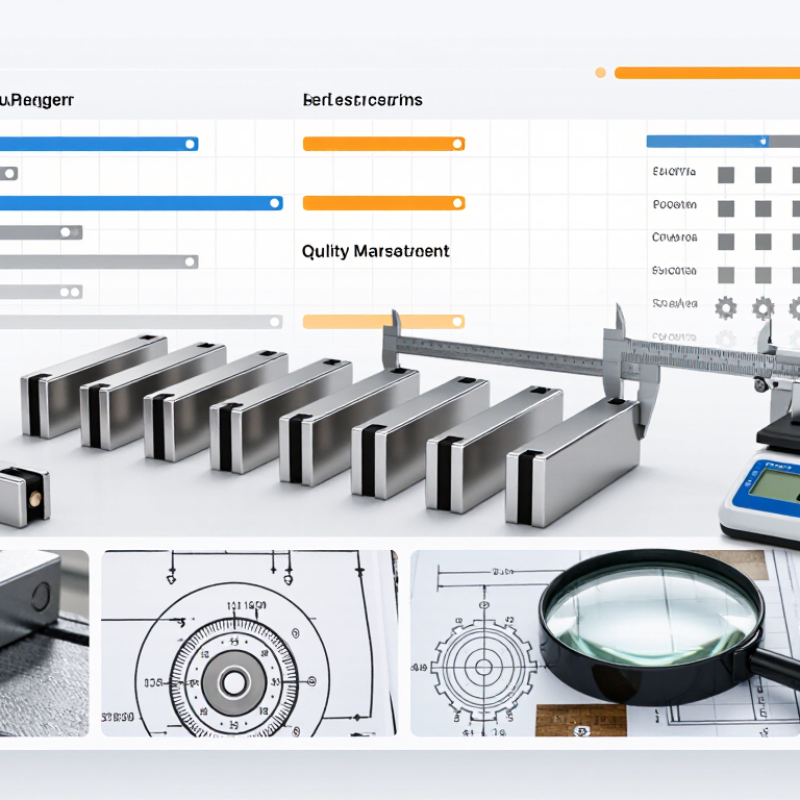
What Channel Magnets Are and How They Are Used
A channel magnet is a permanent magnet seated inside a U-shaped steel housing. The channel shields the magnet from knocks and helps direct magnetic force toward the working face. Common designs use ferrite or neodymium magnets, with holes or threaded fittings for mounting. Small parts matter.
You may find channel magnets on workshop jigs, removable signs, access panels, and positioning fixtures. A steel plate can hold them securely, while a painted surface, thin sheet, or small air gap can reduce their grip. Pull ratings are usually measured under controlled conditions; they are not guarantees for every installation. Air gaps matter.
Material sourcing also deserves attention. The USGS Mineral Commodity Summaries 2024 estimated 2023 rare-earth mine production at 350,000 metric tons worldwide, including 240,000 metric tons from China. These figures describe mined rare earths, not channel-magnet production, and not all rare earths go into magnets. Still, they show why buyers should ask about magnet type, operating temperature, coating, and supply traceability. A useful specification includes the actual steel surface and load direction, not just a catalogue pull-force figure. That detail is easy to overlook.
