
China Top 10 Carbon Steel Sheet Suppliers for Global Buyers
China remains the world’s largest steelmaking base, making Chinese suppliers important partners for international buyers. World Steel Association data shows China produced approximately 1.005 billion tonnes of crude steel in 2024. That scale supports broad production capacity, competitive pricing, and export experience.
However, volume alone does not guarantee dependable carbon steel sheets. The IEA reports that steelmaking creates roughly 7% to 9% of global energy-related emissions. IEA Executive Director Fatih Birol has stated, “The steel sector is currently the largest industrial consumer of coal.” This reality makes responsible sourcing increasingly important. Buyers should examine mill certificates, chemical composition, thickness tolerance, surface condition, packaging, and shipment records.
This guide introduces China’s top 10 suppliers for global buyers seeking a reliable Carbon Steel Sheet Supplier. The selection considers manufacturing capability, quality systems, product range, export performance, and communication practices. Details matter. A 2-millimeter sheet can arrive with unexpected tolerance differences, rough edges, or moisture stains after a long sea voyage.
A top-ten list is useful, but never absolute. Supplier websites can look polished; factory evidence matters more. Buyers should request recent inspection reports, sample sheets, and clear Incoterm quotations before placing large orders. World Steel Association production statistics and the IEA’s Iron and Steel Technology Roadmap provide useful industry context, but they cannot replace direct supplier verification. This guide aims to narrow the search while encouraging practical, evidence-based decisions.
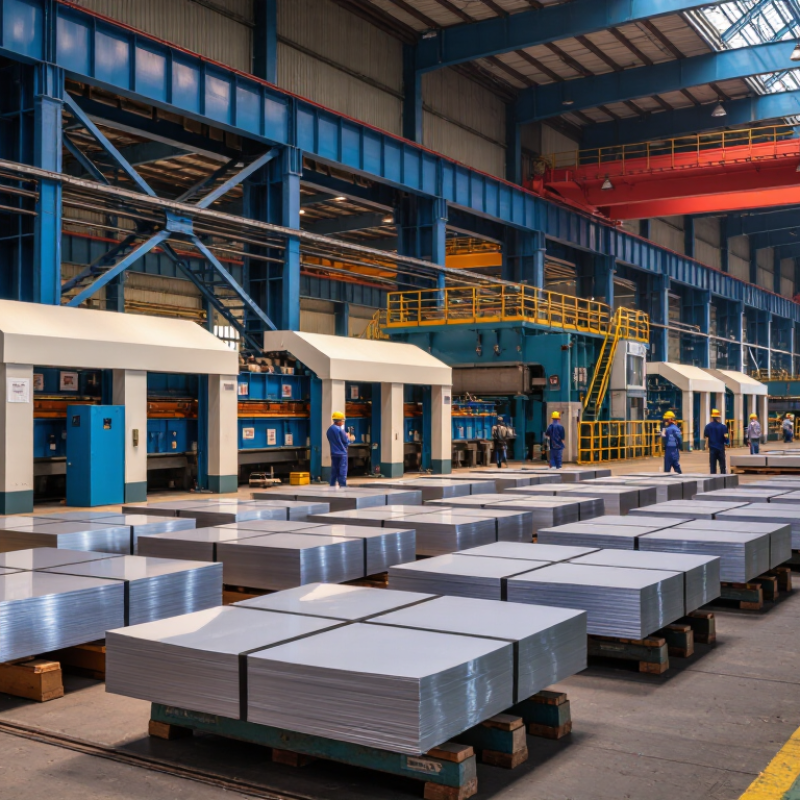
What Is Carbon Steel Sheet and Why Does Supplier Choice Matter?
Carbon steel sheet is a flat-rolled steel product made mainly from iron and carbon. Its carbon content affects strength, hardness, weldability, and forming performance. Low-carbon sheet bends easily and suits cabinets, ductwork, and vehicle parts. Higher-carbon grades provide more strength but may require careful cutting and welding. The surface may be hot-rolled, cold-rolled, pickled, or coated.
Supplier choice matters because a sheet can look correct while failing during production. Experienced buyers check the exact grade, thickness tolerance, width, flatness, and surface condition. A reliable supplier should provide mill test certificates, heat numbers, inspection records, and clear packing details. These documents help confirm chemical composition and mechanical properties. Ask which testing standard applies to your destination market.
Small details often reveal quality. Measure a random sheet with a calibrated micrometer, not only the label. Inspect edges for cracks and check bundles for trapped moisture. Rust stains under protective wrapping are a warning. Delivery discipline matters too, especially when a production line needs matching heats or fixed dimensions. A low quotation may appear efficient, but rework, rejected parts, and delayed vessels can cost much more. I have seen purchasing teams focus too heavily on price and overlook tolerance control. That mistake is easy to repeat. Supplier performance should be reviewed after delivery, not only during negotiation.
