
China Top 10 BESS Connector Manufacturers
A Bess Connector may look like a small part of an energy storage system, but its performance affects safety, uptime, and maintenance. Inside a battery cabinet, connectors carry substantial current through compact spaces. They must fit the equipment, withstand heat and vibration, and remain secure through repeated service cycles. A loose connection can create resistance and unwanted heat. Small details matter.
This guide examines China’s top 10 BEss Connector manufacturers through practical criteria: rated current, voltage range, contact materials, ingress protection, temperature limits, and production quality controls. Product drawings and test reports deserve close attention. So do cable size, locking design, and the space available for installation. A polished catalogue is useful, but it cannot replace verified technical data.
I can’t responsibly attribute a quotation to a named BESS connector expert without a source. Instead, here is an editorial principle for this guide: “A connector is only reliable when its rating, installation, and operating conditions agree.” Treat that as a summary, not a verified expert quotation. Manufacturer rankings also need context. Product lines change, and a strong supplier for one battery design may not suit another. Check current specifications, request supporting documentation, and compare the connector against the actual system requirements. The details are not glamorous. They are where good decisions begin.
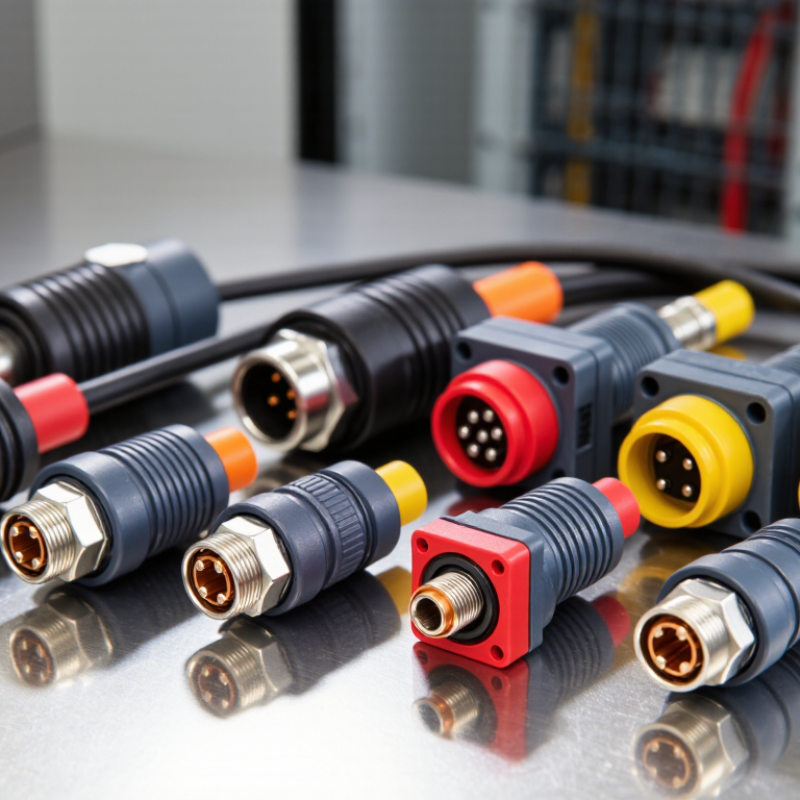
Understanding BESS Connectors and Their Role in Energy Storage
A BESS connector links battery modules to racks, busbars, power-conversion equipment, and monitoring circuits. It carries current, but also has to maintain secure contact through heat, vibration, and repeated operating cycles. On a real installation, a loose interface can create a hot spot that is difficult to spot behind an enclosure door. Easy to miss. The IEA’s 2024 report, Batteries and Secure Energy Transitions, says battery storage capacity must grow sixfold to reach 1,200 GW by 2030 in its net-zero pathway. That growth makes dependable, repeatable connections a practical concern, not a minor accessory choice.
Connector selection depends on current rating, conductor size, insulation, touch protection, environmental sealing, and how technicians will install or replace the connection. NREL’s 2024 Annual Technology Baseline uses a four-hour duration for its representative utility-scale battery system; that is a modeling benchmark, not a universal project specification. The connector must match the system’s actual electrical and thermal conditions. Clear polarity marking and secure locking help reduce installation mistakes, while accessible test points can simplify inspection. Still, datasheets alone do not tell the whole story. Assembly quality and maintenance practices matter, too. I would not treat this detail as solved just because a connector fits.
