
Top 10 Types of Automatic Transfer Switches
An Automatic Transfer Switch (ATS) moves a load between normal and alternate power when the preferred source fails or becomes unsuitable. You may find one in a hospital, data room, factory, or backup generator enclosure. The operating principle is familiar, but the equipment is not interchangeable. Switching time, load characteristics, source coordination, and maintenance access all affect the choice.
This guide compares 10 common types, including open-transition, closed-transition, delayed-transition, bypass-isolation, manual, contactor-based, molded-case, power-frame, and static designs. These labels do not all describe the same feature. Some refer to how the transfer occurs; others describe the switch’s construction or control method. That distinction matters. A static switch, for example, uses power electronics, while a bypass-isolation model adds a way to maintain a load during switch servicing.
In practical selection, engineers check current ratings, available fault current, transfer timing, controls, and compatibility with the generator or utility supply. They also consider what happens during testing and routine maintenance. A larger rating alone does not guarantee a better fit. Neither does the fastest transfer time. Site conditions and the connected equipment matter.
Simple on paper. Not always in service. A clean comparison can still miss details, especially when product names vary between manufacturers. Treat this list as a starting point, then verify specifications against the equipment documentation and have qualified electrical professionals assess the installation. That extra check is worth the time.
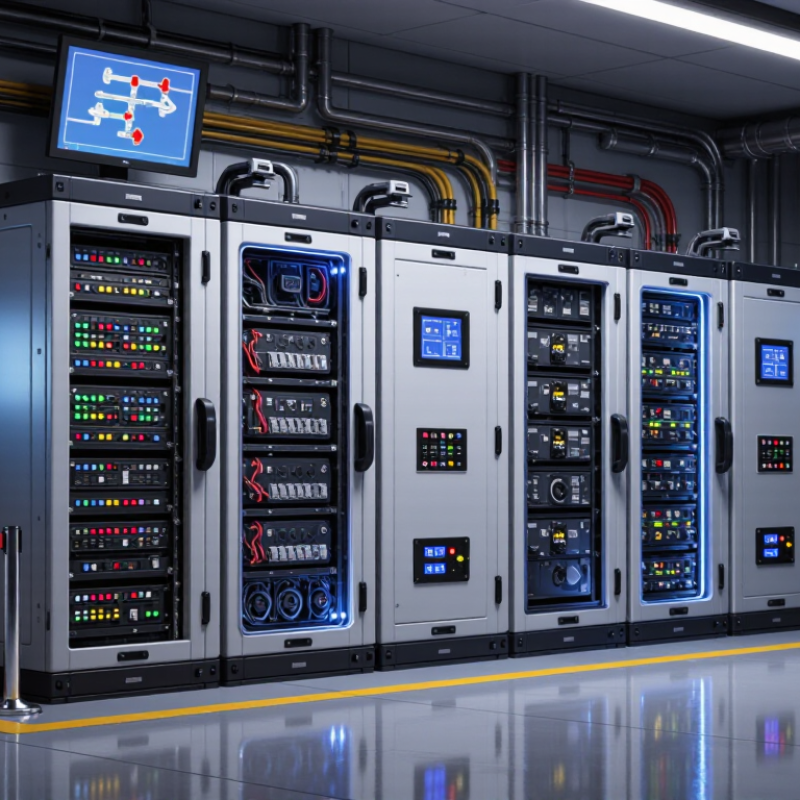
Automatic Transfer Switches: Purpose and Basic Operation
An automatic transfer switch (ATS) monitors the utility supply and connects a facility to a backup source when voltage or frequency moves outside set limits. In a typical installation, the switch signals a standby generator, checks that its output is stable, then transfers the load. The sequence may take several seconds. Sensitive equipment may need separate ride-through support.
The return matters too. After utility power stabilizes, the ATS can transfer the load back, often after a delay that prevents switching during a brief fluctuation. Open-transition switches break the first connection before making the next; closed-transition designs briefly overlap sources when conditions allow.
Uptime Institute’s 2024 Annual Outage Analysis found that 54% of respondents said their most recent significant outage cost more than $100,000. That figure covers outages broadly, not ATS failures specifically, but it shows why transfer reliability deserves attention.
An ATS cannot fix a failed generator, poor wiring, or neglected maintenance. Test the complete system under realistic load. Settings can drift, too.
The overlooked detail is often the return sequence.
