
China Top 10 ACB Electrical Manufacturers
Air circuit breakers protect low-voltage systems from overloads and short circuits. They are often installed in distribution panels, factories, commercial buildings, and utility facilities. Selecting a supplier involves more than comparing a product photo or a quoted price. Buyers should check rated current, breaking capacity, operating mechanism, communication options, and compatibility with the intended installation.
This guide to China’s top 10 Acb Electrical manufacturers introduces companies for closer evaluation. It focuses on practical questions: What product ranges do they offer? Can they provide technical documents, customization, and responsive support? Do their stated certifications and test reports match the exact model under consideration? A well-organized datasheet and clear answers can be more useful than a polished brochure. Details matter.
Manufacturer capabilities and product specifications may change, and a company’s reputation alone cannot confirm suitability for a particular project. Verify current documentation directly, and consult a qualified electrical professional when assessing protection settings or system requirements. This list is a starting point, not a verdict. Rankings can reflect different criteria, so readers should compare evidence rather than treat any order as universal. One limitation remains: public product information does not always reveal how consistently a supplier handles after-sales support. That deserves a direct question before procurement.
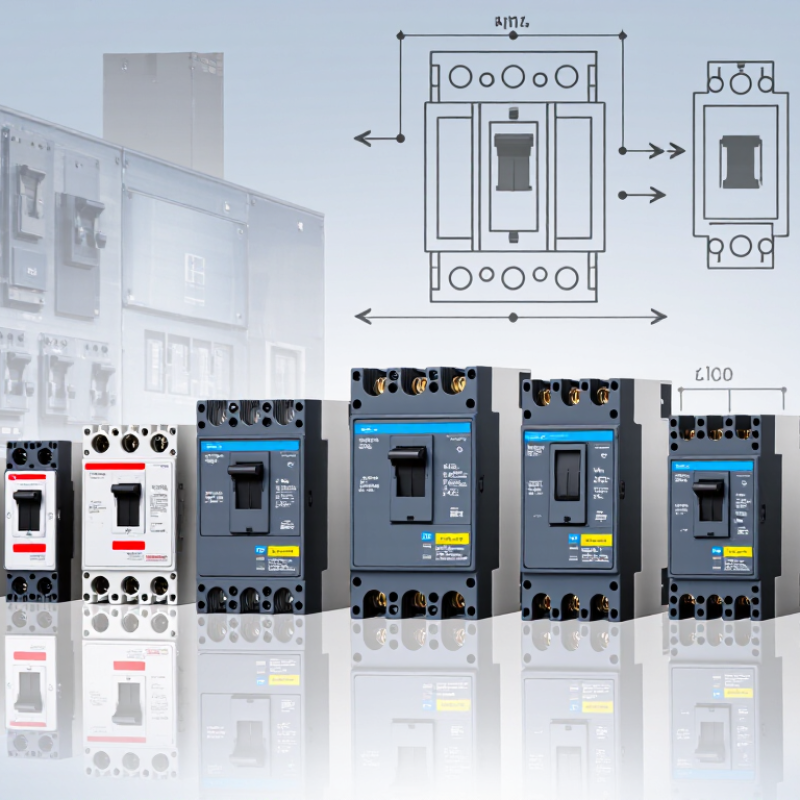
How Air Circuit Breakers Work and Where They Are Used
An air circuit breaker (ACB) protects low-voltage power systems by interrupting excessive current. In a switchboard, sensors monitor the current flowing through the breaker. If an overload or short circuit exceeds its set limits, a trip unit releases the operating mechanism. The contacts separate, and an arc forms between them. This is where the air-based design matters: arc chutes divide, cool, and extinguish the arc. The interruption happens quickly, but the breaker must still be selected for the system’s expected fault level.
ACBs are commonly used as main incoming breakers, bus couplers, or feeder protection in factories, commercial buildings, and large electrical rooms. Their accessible construction can support inspection and testing, which is useful in facilities where downtime is costly. Settings should coordinate with downstream devices, so a smaller fault does not unnecessarily shut down an entire panel. Heat leaves clues. Discoloration, unusual odors, or loose connections deserve attention, though none alone proves a specific fault. Regular checks should follow the equipment instructions and site procedures. An ACB is not a substitute for careful system design; even a correctly rated unit can perform poorly when settings, maintenance, or installation conditions are overlooked.
