
147 Mill Ridge Rd Suite 232
Lynchburg, Virginia 24502
Phone 757-982-3665

7 Tips for Choosing Venous Ulcer Dressings

Venous Ulcers can be slow to heal, and choosing a dressing is rarely a one-size-fits-all decision. The right option depends on the wound’s appearance, drainage, surrounding skin, comfort, and the person’s overall care plan. A dressing should manage moisture and protect fragile tissue; it cannot correct the underlying venous pressure on its own. That distinction is easy to overlook.

Small details matter. Is the wound heavily exuding, or nearly dry? Does the skin around it look irritated? Is removal painful? These observations can help a qualified clinician decide which dressing materials may be suitable and when they need changing. Compression is often an important part of venous ulcer care, but it must be assessed and applied appropriately. A dressing choice should fit that broader plan, not replace it.

This guide presents seven practical tips for comparing venous ulcer dressings, including absorbency, ease of use, skin protection, and cost over time. It also considers warning signs that call for prompt clinical review, such as spreading redness, increasing pain, fever, or a sudden change in drainage. There is no perfect dressing for every wound. Even a sensible choice may need reconsideration as healing progresses, and that can be frustrating. The goal is not to chase a product claim, but to support a clean, protected wound and care that is reviewed regularly.
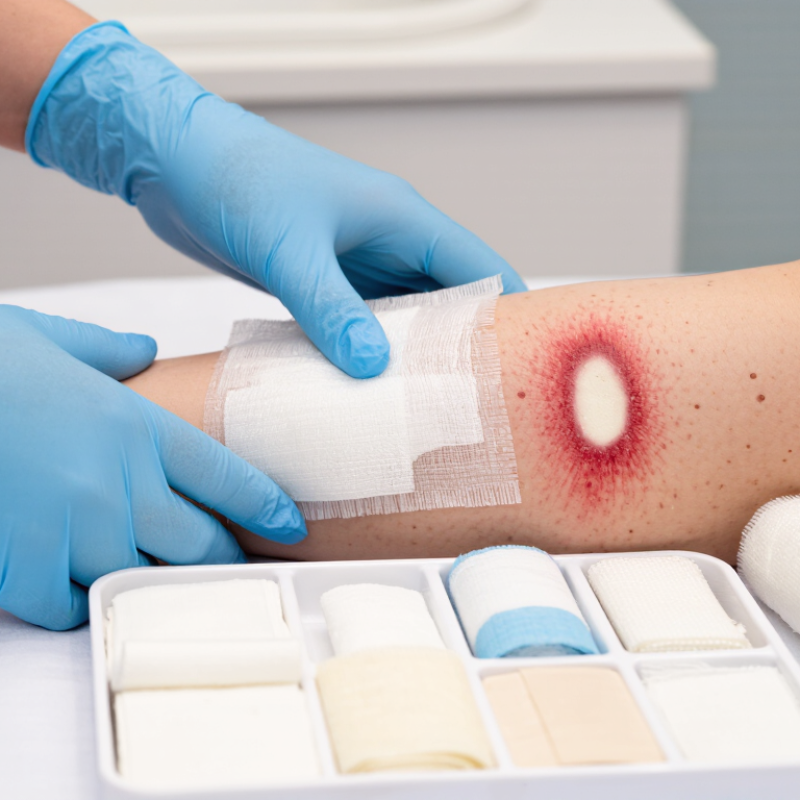
7 Tips for Choosing Venous Ulcer Dressings

Screen ABI Before Treatment: 0.8–1.3 Usually Supports Full Compression

Before selecting a venous ulcer dressing, check the ankle-brachial index (ABI). The Wound, Ostomy and Continence Nurses Society’s compression algorithm places ABI 0.8–1.3 in the range where standard compression is generally appropriate. The European Society for Vascular Surgery’s 2022 guideline also advises caution when ABI is below 0.6 or ankle pressure is below 60 mmHg. Numbers need context. An ABI in range supports compression; it does not confirm the wound’s cause or replace a vascular assessment.

Measure both ankle and arm pressures with the patient resting, and document the result before applying compression. A snug wrap can quickly become unsafe if arterial flow is poor. ABI above 1.3 may indicate stiff, poorly compressible arteries, especially in people with diabetes or kidney disease; consider toe pressure testing or specialist review. If ABI is 0.5–0.8, modified compression may be considered with clinical oversight. Do not treat a borderline result as a green light.

Then match the dressing to the wound’s drainage and surrounding skin. A heavily weeping ulcer may need an absorbent dressing beneath compression, while fragile skin benefits from gentle removal and protection from moisture. Recheck pain, skin color, temperature, and wound progress after treatment begins. Compression can help, but the first reading may be imperfect; repeat assessment matters when symptoms or healing do not fit the numbers.

Classify Exudate and Match Dressing Absorbency to Drainage

7 Tips for Choosing Venous Ulcer Dressings
Classify Exudate and Match Dressing Absorbency to Drainage

Estimate drainage after removing the old dressing, before cleansing. Low exudate leaves a small damp area; moderate drainage visibly wets the pad. Heavy exudate may soak through or require frequent changes. Record the amount, color, odor, and surrounding skin condition. Check it daily. A sudden increase, new pain, or cloudy drainage needs clinical review; appearance alone cannot confirm infection.

For light drainage, consider a gentle, low-absorbency contact layer or thin foam. Moderate drainage often suits foam or hydrofiber, while heavy flow may need alginate or a superabsorbent dressing. Follow product instructions, and avoid letting alginate dry onto a low-exuding wound. If the skin edge looks white, soft, or waterlogged, the dressing may not be managing moisture well. Reassess fit and change frequency.

Absorbency is only one part of care. Compression, when clinically appropriate, is central to venous ulcer management. A 2018 Cochrane review covering 78 trials and 7,014 participants found no reliable evidence that one dressing category consistently heals ulcers faster beneath compression. The evidence had limitations, so matching drainage remains practical, not magical. A neat chart helps, but a saturated dressing in your hand can reveal what the chart missed.

7 Tips for Choosing Venous Ulcer Dressings — Classify Exudate and Match Dressing Absorbency to Drainage
Tip Exudate or Wound Clue Absorbency Goal Dressing Options to Consider Practical Check
1. Start by assessing drainage Record whether drainage is scant, light, moderate, or heavy. Also note changes in amount, color, odor, and consistency. Choose a dressing that manages the observed amount without leaving the wound bed dry or allowing fluid to pool. Selection depends on the wound and surrounding skin; options range from low-absorbency contact layers to foam, alginate, hydrofiber, or superabsorbent dressings. Use the dressing at removal as a practical guide: note strike-through, leakage, saturation, and whether the wound or surrounding skin appears too wet or too dry.
2. Match scant drainage with gentle moisture retention The wound surface is nearly dry or has only a small amount of fluid, with little or no dressing saturation. Protect the wound and maintain a moist healing environment without adding unnecessary absorbency. A non-adherent contact layer or, when appropriate for the wound and skin, a low-absorbency dressing may be considered. Avoid highly absorbent products on a dry wound unless specifically indicated; reassess if the wound becomes dry, painful, or adherent to the dressing.
3. Use moderate absorbency for light-to-moderate drainage Drainage is visible on the dressing but generally remains contained, without frequent leakage or saturation. Absorb fluid while helping protect the surrounding skin from prolonged moisture exposure. A foam dressing may suit many wounds with light-to-moderate drainage. A suitable contact layer may be used beneath it when the wound surface is fragile. Check the dressing edges and periwound skin at each change; adjust the product or change interval if leakage or maceration develops.
4. Increase absorbency for moderate-to-heavy drainage The dressing becomes substantially wet between changes, or drainage is beginning to reach the edges. Provide greater fluid handling while keeping the dressing in place and protecting nearby skin. Alginate or gelling-fiber (hydrofiber) dressings are commonly used for moderate-to-heavy exudate, usually with an appropriate secondary dressing. These products are generally not intended for dry wounds. Follow product directions and ensure the dressing can be removed without trauma.
5. Consider a superabsorbent option for very heavy drainage Repeated saturation, strike-through, or leakage occurs despite an appropriately selected absorbent dressing. Manage high volumes of fluid and reduce leakage onto clothing or compression materials. A superabsorbent dressing may be considered as a primary or secondary layer, depending on its instructions and the wound-care plan. Frequent saturation needs clinical review as well as a dressing adjustment; assess for changes in the wound, edema control, and possible complications.
6. Protect the surrounding skin Skin around the ulcer looks pale, white, softened, or irritated, or drainage is escaping under the dressing. Contain exudate and reduce prolonged contact between fluid and intact skin. Choose an absorbent dressing with a suitable secondary cover; a skin protectant may be appropriate for intact periwound skin. Do not apply skin protectant into the wound bed unless the product is intended for that use. Reassess fit, dressing size, and change frequency.
7. Reassess the plan and the cause of the ulcer Drainage changes, the wound deteriorates, pain increases, or signs such as spreading redness, warmth, or new odor appear. Re-evaluate dressing choice and obtain clinical assessment rather than simply increasing absorbency. Use a dressing suited to current drainage as part of an individualized care plan. Compression is often central to venous-ulcer care when clinically appropriate. Compression requires assessment of arterial circulation and other contraindications by a qualified clinician. Seek prompt review for suspected infection or sudden deterioration.

Note: Exudate descriptions are practical observations, not a substitute for clinical assessment. Dressing choice and change frequency depend on the wound, product instructions, surrounding skin, and the overall care plan.

Compare Foam, Alginate, and Hydrocolloid for Different Wound Needs

Foam, alginate, and hydrocolloid dressings suit different venous-ulcer conditions; none replaces compression therapy when clinically appropriate. Start by noting drainage, wound depth, surrounding skin, and comfort. Foam can manage moderate exudate and cushion a tender area. Alginate may suit a deeper, heavily draining wound, but it needs enough moisture to gel and should not be packed tightly. Hydrocolloid can support a moist environment on a shallow wound with light drainage. It may be a poor fit when exudate is heavy or infection is suspected. Small details matter.

A Cochrane review of 78 trials involving 7,014 participants found no reliable evidence that one dressing type consistently heals venous ulcers faster under compression. The review also noted limitations in the evidence, so a dressing choice should follow wound assessment, not habit.
Check the skin around the ulcer at each change; macerated, pale edges may signal excess moisture. Consider how often the dressing needs changing, whether removal causes pain, and whether it stays in place beneath a compression bandage.

That sounds neat on paper. Real wounds are messier. Reassess if drainage, odor, pain, or wound size changes, and seek clinical review for possible infection or deterioration.

Pair Dressings With 30–40 mmHg Compression When Clinically Appropriate

Compression is often central to treating venous leg ulcers, while dressings help manage fluid and protect the wound. When clinically appropriate, a prescribed system may aim for 30–40 mmHg at the ankle. This is not a safe default for everyone. A clinician should assess arterial circulation, often using an ankle-brachial pressure measurement, before recommending stronger compression. Significant arterial disease, certain heart conditions, or unusual symptoms may change the plan. The pressure and application method matter.

Choose a dressing that fits the wound’s drainage and the compression system. A highly absorbent dressing may help with heavy fluid; a thinner option can reduce bulk when drainage is light. Keep surrounding skin dry and protected, especially if it looks pale, softened, or irritated. Small details count. Check that the wrap does not bunch behind the ankle or dig into the toes. New numbness, increasing pain, or cold, discolored toes need prompt clinical advice. A plan can look tidy on paper, yet slip or feel uncomfortable by afternoon; report that, rather than simply tightening the wrap. Reassessment helps match both dressing and compression to healing progress.

7 Tips for Choosing Venous Ulcer Dressings

Pair dressings with 30–40 mmHg compression when clinically appropriate.

The highlighted bar shows the 30–40 mmHg compression target range commonly used for venous leg ulcers when a clinical assessment indicates compression is appropriate. Assess arterial circulation and follow local clinical guidance before applying compression.

  1. Match absorbency to the amount of wound exudate.
  2. Choose a dressing that supports a moist wound environment.
  3. Protect the surrounding skin from excess moisture.
  4. Use a contact layer that can be removed without undue trauma.
  5. Consider comfort, wound location, and ease of application.
  6. Check the wound and surrounding skin at dressing changes.
  7. Use compression when clinically appropriate and reassess as needed.

Track Wound Area and Reassess Dressing Fit at Each Change

At each dressing change, record the ulcer’s length and width in centimeters using the same method. For an irregular wound, measure the widest points and note the shape, rather than relying on one number alone. A simple sketch or dated photograph, taken with a measurement scale and appropriate consent, can make changes easier to compare. Keep lighting and positioning similar when possible. Measurements are estimates, not a verdict. I have found that rushed notes can hide small but meaningful changes, so allow time to document them.

Then check whether the dressing still suits the wound. Is fluid leaking through, collecting at the edges, or drying the wound bed? Is the surrounding skin pale, soggy, red, or sore? A dressing that was comfortable last week may now be too small or need changing more often. Fit should protect the wound without pressing tightly or pulling fragile skin. Not every change means the wound is worse; measurement technique can vary, too. Follow the care plan for compression and dressing frequency, and ask a qualified clinician to review persistent deterioration, increasing pain, spreading redness, or unusual odor. Small details matter.