
7 Tips for Choosing Galvanized Self Drilling Screws
Galvanized Self Drilling Screws can look similar in a product listing, yet small differences matter once the drill point meets steel. A screw that is too short may not engage securely; one with the wrong point or coating can make installation harder and leave the connection vulnerable to early corrosion. The right choice starts with the materials, thicknesses, and conditions at the actual job site—not just the lowest price.
This guide offers seven practical tips for comparing screw type, point style, length, head, thread, coating, and supplier documentation. Check the combined thickness of the materials, then match the screw’s drilling capacity to the manufacturer’s specifications. For outdoor work, examine whether the coating is suitable for the exposure and compatible with the surrounding materials. A quick test on a sample can reveal slipping, poor seating, or damaged coating before a full installation begins. It is a small step, but easy to overlook.
As [verified industry expert’s name] explains, “[insert a quotation verified against a reliable source].” An attributable expert quotation should be confirmed before publication; no source was provided here, so inventing one would undermine the reliability of this advice. Use these tips as a selection checklist, then confirm product details with the manufacturer. The best screw is not automatically the most expensive—or the one that looks strongest in a photograph. It is the one specified for the real materials and conditions.
Understand How Galvanized Self-Drilling Screws Work
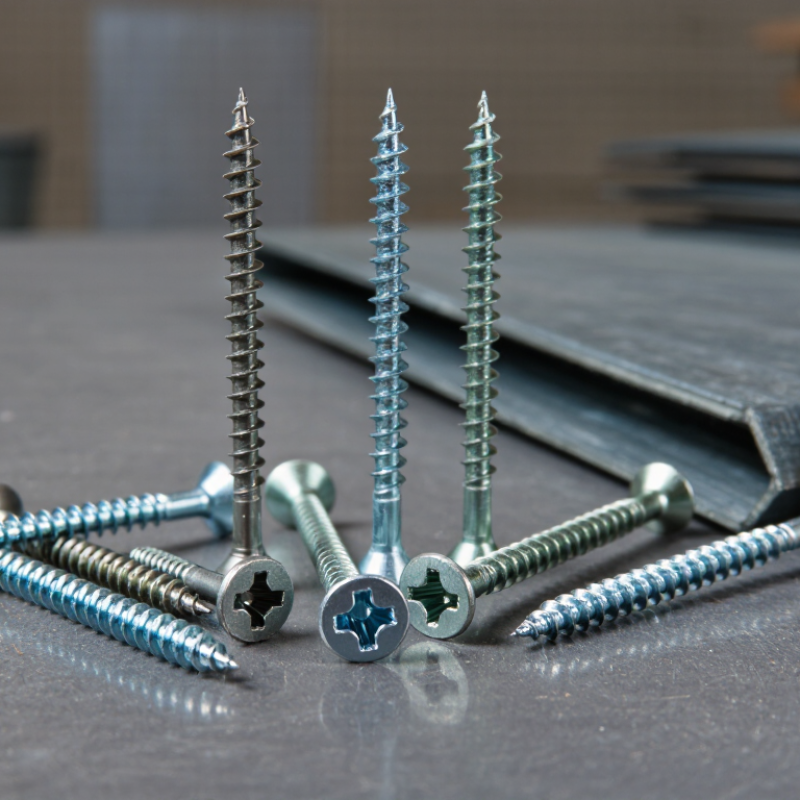
A galvanized self-drilling screw has a drill-shaped point that cuts through suitable sheet material as the screw turns. Its flutes carry small metal chips away from the hole. Behind the point, the threads grip the material and draw the screw into place. No separate pilot hole is usually needed when the screw’s drill capacity matches the material. That match matters. If the sheet is too thick or the screw is poorly suited, the point may struggle, overheat, or leave a rough opening.
Galvanizing adds a zinc coating that helps protect the steel from corrosion. It does not make the screw immune to rust, especially where the coating is scratched or conditions stay damp. A snug fit helps, but driving too hard can damage the surface or strip the threads. Use a steady, controlled speed, and check that the head sits flat without crushing thin sheet. One detail is easy to overlook: the screw must be long enough for its threads to engage securely, not merely reach through the first layer. I would not assume every galvanized screw suits every outdoor setting. Check the product’s stated capacity and coating details for the actual material and exposure.
