
7 Tips for Choosing the Best Turbidity Sensor
A clear reading can protect a process from costly guesswork. Yet choosing a Turbidity Sensor is not just a matter of comparing price tags or display screens. A sensor that performs well in clean water may struggle when suspended particles change in size, color, or concentration. Bubbles, fouling, and poor installation can also distort readings. Small details matter.
Water-treatment researcher James K. Edzwald has written extensively about water quality and treatment. A practical paraphrase of his work is: “Measurement choices should fit the water and the treatment goal.” This is a paraphrase, not a verified verbatim quotation. That distinction matters; technical advice should not rely on invented quotes. For buyers, the principle is useful. Check the measurement method, expected range, response time, calibration needs, and compatibility with the process. Then consider the real operating setting: a narrow pipe, a sunlit outdoor channel, or a sample line that collects sediment. A specification sheet cannot reveal every maintenance headache.
The right choice depends on your application. No sensor is perfect. Some models simplify routine checks, while others offer stronger control-system integration or better performance in difficult samples. These seven tips will help compare those trade-offs, ask suppliers sharper questions, and avoid decisions based on one attractive feature. A little skepticism helps. So does a clear record of how the sensor behaves after installation.
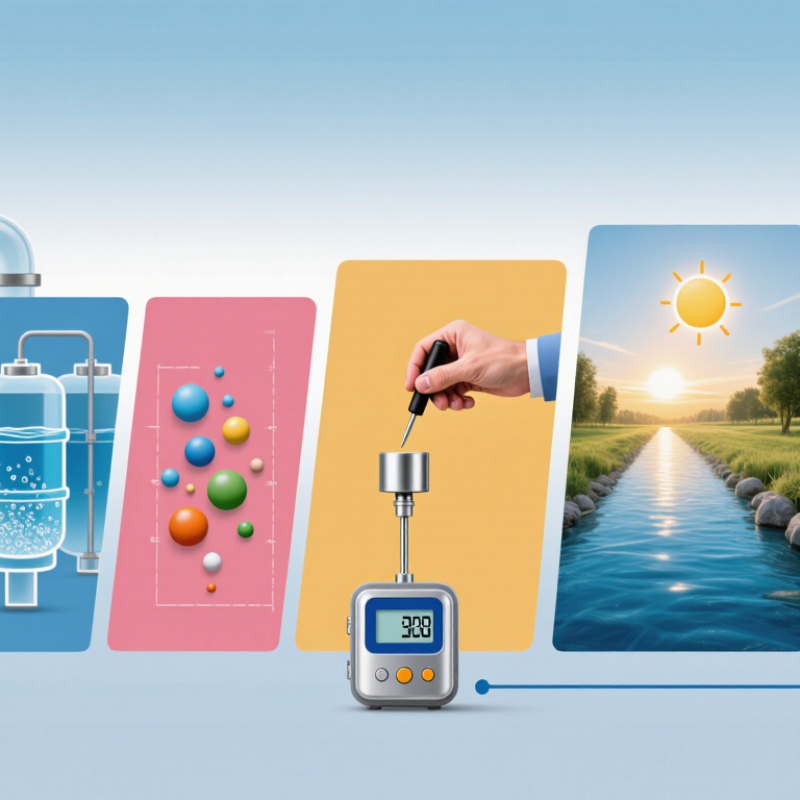
Identify the Water Quality and Monitoring Requirements
Before choosing a turbidity sensor, describe the water you need to monitor. Drinking water, wastewater, and river water can behave very differently. Note typical and peak turbidity, expected particle types, and whether readings change quickly after rain or during production. A reading from pale mineral sediment may differ from one affected by algae or dark particles. Turbidity is useful, but it does not identify contaminants or replace other water tests.
Small details matter. Choose a measurement range that covers ordinary conditions without losing useful detail during spikes. Decide how often readings are needed and whether staff can access the sensor for cleaning and checks. In a pipe, consider flow, bubbles, and installation position; in a river, avoid stagnant edges and sediment stirred up by the mounting hardware. Calibration should suit the expected range, and records should include maintenance and unusual conditions. Not always easy. A sensor that works well in a clean test sample may need more frequent attention in real water. Check the site, review early readings, and adjust the monitoring plan when the data do not match what operators observe.
