Top 7 Tips for Choosing the Best Seamless Pipe for Your Needs?
Choosing the right seamless pipe for your project is crucial. The right choice can ensure durability and efficiency. There are many factors to consider when selecting a seamless pipe. You need to evaluate your specific requirements carefully.
Seamless pipes are known for their strength and reliability. They are often used in high-pressure environments. However, not every seamless pipe will meet your needs. This is where informed decisions can make a difference. Understanding the limitations and options available is vital.
The market offers a variety of seamless pipe materials and grades. Each option has its unique properties. It is important to weigh these properties against your project demands. Despite having many options, the wrong choice can lead to costly mistakes. Reflecting on your requirements is essential. Aim for the best fit for your situation.
Understanding Seamless Pipes: Definition and Applications
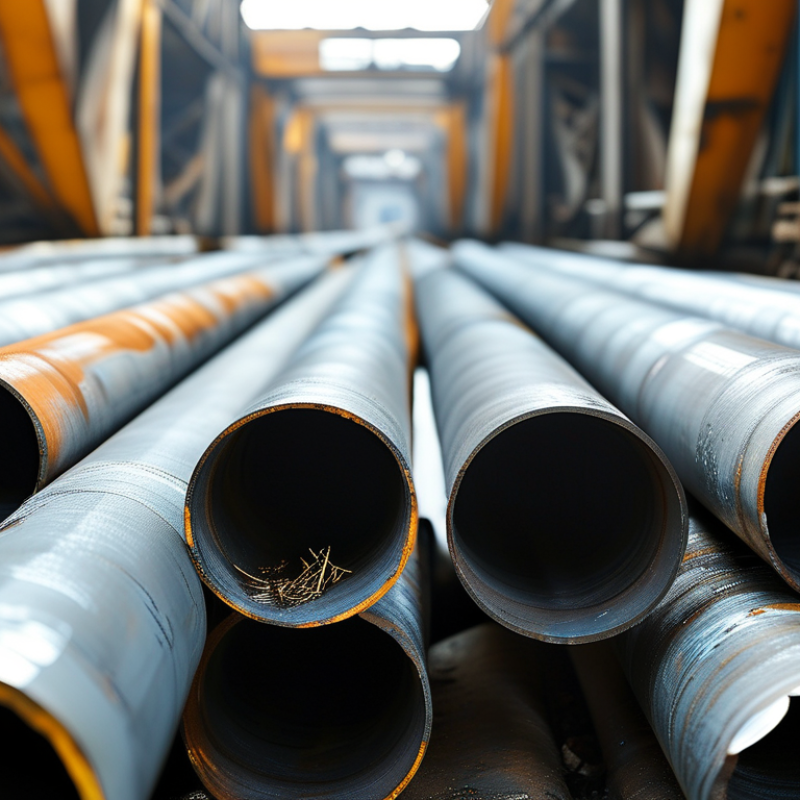
Seamless pipes are vital in various industries due to their strength and versatility. These pipes are made from a solid round steel billet. They undergo heating and piercing to create a hollow tube without joints or welds. This seamless design allows them to withstand high pressure and extreme temperatures, making them ideal for critical applications like oil and gas, chemical processing, and construction.
Understanding seamless pipes goes beyond their definition. It’s crucial to consider their application. For instance, in the oil and gas sector, seamless pipes can handle the rigorous demands of transport and extraction. In construction, they serve as structural supports. Different materials, such as carbon steel, stainless steel, and alloys, can enhance their performance in specific environments.
Installing seamless pipes is not without challenges. The decision often leads to dilemmas over cost versus quality. Sometimes, users might underestimate the significance of material selection. A wrong choice can lead to early failure. It’s essential to evaluate the environment and stress factors at play. Choosing the right seamless pipe involves a careful balance of these elements, ensuring reliability in operation.
Evaluating Material Options for Seamless Pipes
When selecting seamless pipes, material choice is critical. Common options include carbon steel, stainless steel, and alloy steel. Each material has distinct properties affecting performance and durability. Carbon steel is often chosen for its strength and affordability. However, it can corrode in certain environments. Stainless steel, while more expensive, provides excellent resistance to rust and corrosion.
Industry reports indicate that the global seamless pipe market is projected to expand steadily. This growth reflects the increasing demand from sectors like oil and gas and construction. For instance, stainless steel accounts for over 30% of the global market share. Its resistance to high temperatures makes it suitable for various applications. However, cost can be a barrier for some projects.
Alloy steel pipes offer enhanced strength under high-pressure conditions. Yet, its complex manufacturing process can lead to inconsistent quality. Evaluating these options requires an understanding of the specific application requirements. Conducting a thorough analysis can prevent future issues related to material failure. It’s essential to balance performance needs with budget constraints. Quality materials lead to more reliable structures, but the selection process can be challenging.
Determining the Right Pipe Dimensions and Specifications
Choosing the right dimensions and specifications for seamless pipes is crucial for any project. First, consider the application of the pipe. Different projects require specific sizes to ensure proper functionality. For example, pipes used in high-pressure systems need to be thicker. This ensures they can withstand the pressure without failing. You should also assess the environment where the pipes will be installed. Factors like temperature and exposure to corrosive substances can influence the material selection.
It’s helpful to understand the standard dimensions available. Seamless pipes come in various sizes, including diameters and wall thicknesses. An accurate measurement is essential. Oversized pipes waste material cost. Conversely, undersized pipes may lead to leaks or system failure. Consulting industry standards can provide clarity.
Another aspect worth considering is the pipe length. Longer pipes may minimize the number of joints required. However, they can also complicate transportation and installation. Balance between logistical challenges and structural needs is necessary. It might help to visualize how the pipes will fit into your design before making a final decision.
Seamless Pipe Material Comparison
Assessing Quality Standards and Certifications
When selecting seamless pipes, assessing quality standards and certifications is crucial. Look for pipes that comply with industry standards such as ASTM or ASME. Certification indicates that the manufacturer adheres to rigorous testing protocols. This ensures that the pipes can withstand pressure and temperature fluctuations in various applications.
Examining a manufacturer's certification can reveal their commitment to quality. Always check for relevant ISO certifications. These certifications signify that the products have met international quality benchmarks. They reflect not just compliance, but also a dedication to continuous improvement and reliability in production processes.
Consider your project specifications. The right seamless pipe must align with both quality and application needs. Not all certifications translate into superior quality. Be aware that some manufacturers may present outdated certifications. Gathering comprehensive information can help avoid costly mistakes in the long run. Sometimes, seemingly perfect choices may lead to performance issues. Evaluating real-world cases can provide deeper insights into potential pitfalls.
Considering Supplier Reputation and Customer Support
When selecting seamless pipes, the supplier's reputation plays a vital role. A well-regarded supplier has a history of delivering quality products. Look for reviews and testimonials from other customers. Positive feedback is a strong indicator of reliability. Quality assurance processes should be transparent. Don't hesitate to ask about their manufacturing methods and quality control protocols.
Customer support is equally important in your selection process. A supplier who offers good support can save you time and stress. Ensure they are responsive to inquiries and provide detailed answers. Communication is key. If there are troubleshooting issues, reliable support can expedite solutions. Trust your instincts; a lack of support may indicate broader issues.
Consider these aspects carefully. Always check the supplier’s experience in the industry. Longevity can reflect stability and quality. Investigate their certifications and partnerships too. They should comply with industry standards. If their information isn’t easily accessible, that could be a red flag. In the end, both reputation and customer support can significantly impact your satisfaction with your seamless pipe purchase.