
10 Tips for Choosing Sand Casting Parts Suppliers
Choosing a supplier for Sand Casting Parts is not just a price comparison. The right partner should understand your drawings, production needs, and the conditions each part must withstand. A housing used near heat, for example, may need different alloy guidance and inspection checks than a decorative component. Details matter.
This guide presents ten practical tips for evaluating potential suppliers. It covers casting experience, material knowledge, tooling capabilities, quality checks, communication, lead times, and after-sales support. Ask how a supplier handles dimensional inspection, defect review, and changes to a drawing. Request clear examples, such as sample inspection records or a production schedule. Not every supplier will share the same format, so compare the evidence carefully.
Look beyond the quoted unit price. A low quote can look convincing. It may not include tooling, finishing, packaging, or the cost of delayed delivery. Clarify what the estimate covers before comparing offers. If possible, begin with a sample order and check the casting against your actual requirements. Useful checks may include dimensions, surface condition, and documentation for the specified material. A checklist helps, but it is not a substitute for technical discussion. Some details may still be missed. Review them openly. Supplier selection involves trade-offs, and the best fit depends on part complexity, order volume, and risk tolerance. These tips are a starting point, not a guarantee; verify claims and confirm requirements with your engineering and quality teams.
Define Your Sand Casting Part Requirements
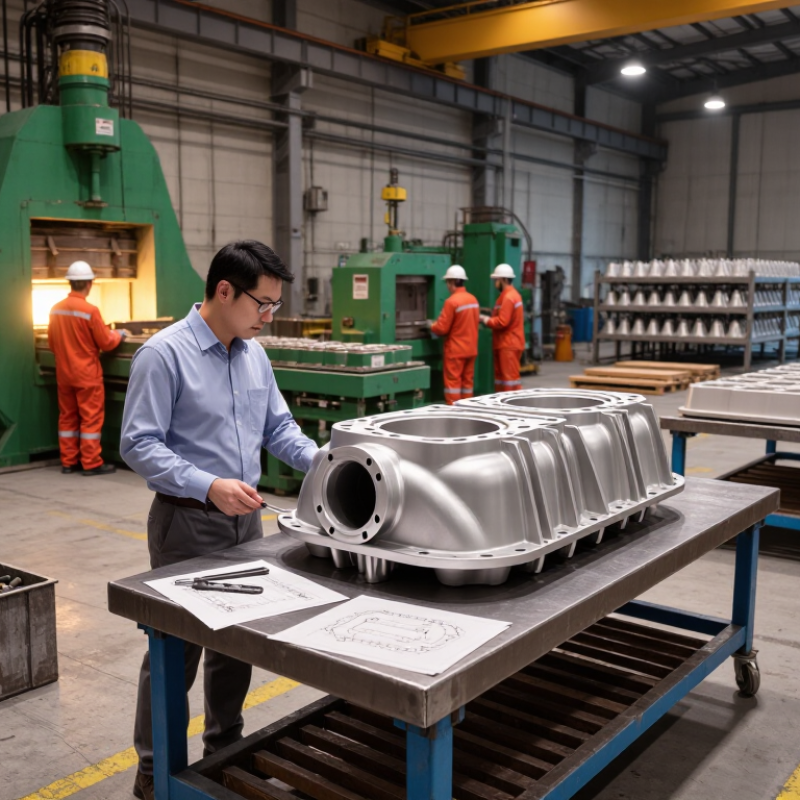
Before comparing sand casting suppliers, define the part in measurable terms. State the alloy, finished weight, annual volume, and maximum envelope. Add critical wall thicknesses, machining allowances, and required surface finish. A drawing showing 280 × 160 × 90 mm is more useful than “medium-sized housing.”
Specify tolerances by function, not habit. ISO 8062-3 provides casting tolerance grades that help suppliers quote consistently. The 2023 World Foundry Census reported global casting production of about 110 million tonnes in 2022. That scale reflects intense process variation, so vague requirements create avoidable price differences. Identify datum surfaces, hole locations, thread details, and areas requiring inspection. Include acceptable limits for porosity, cracks, distortion, and inclusions. If pressure tightness matters, define the test method and pressure.
I have seen projects fail because the buyer requested a smooth surface without naming a measurement method. Use a recognized roughness value where possible. Ask for sample approval, inspection records, and traceability for each batch. Confirm whether the supplier owns the pattern, maintains it, or charges separately for repairs. A perfect specification may be unrealistic for early prototypes. That is worth admitting. Mark uncertain dimensions clearly, then review them with an experienced foundry engineer. Share photographs of the assembly, especially where tools or fixtures contact the casting. Small details can change feeding design, machining time, and final cost.
