Top Tips for Choosing the Right Semi Gantry Crane?
When selecting a Semi Gantry Crane, understanding your needs is crucial. According to Dr. Jane Smith, an industry expert and crane engineer, "The right crane can enhance efficiency and safety." Choosing wisely can impact project outcomes significantly.
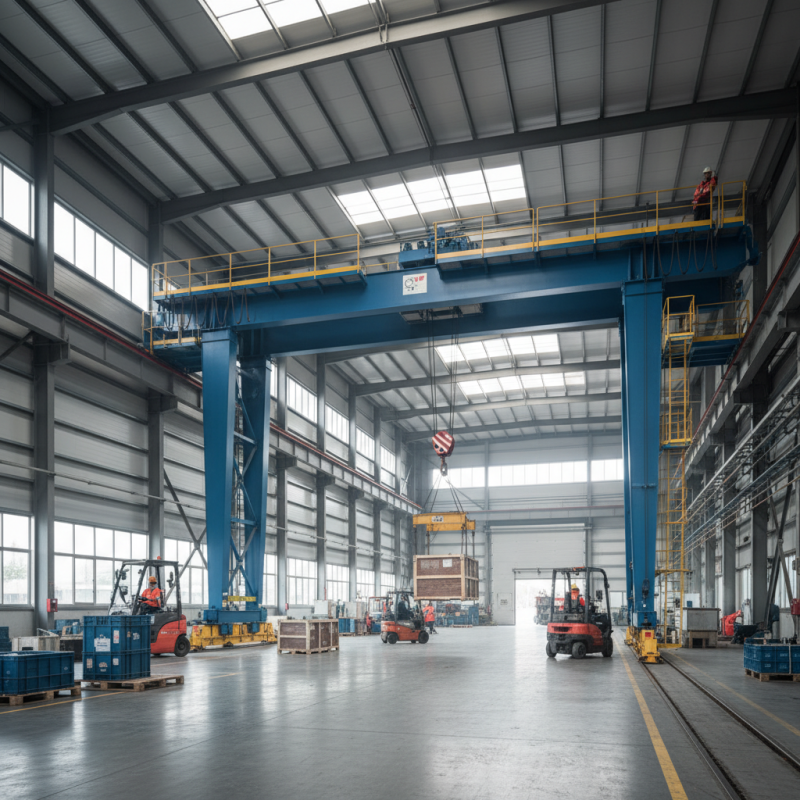
A Semi Gantry Crane is ideal for various applications, from factories to warehouses. You must consider factors like lifting capacity, span, and height. The crane's design should suit your workspace and tasks. It’s not just about specifications; flexibility in operations is also vital.
Many buyers overlook post-purchase support and maintenance. Some ignore the need for training operators. These oversights can lead to costly errors later. Ultimately, the goal is to ensure your Semi Gantry Crane serves your requirements effectively and safely over time.
Factors to Consider When Selecting a Semi Gantry Crane
When selecting a semi gantry crane, you must consider several important factors. The load capacity is crucial. Determine the maximum weight the crane will lift. This ensures the crane performs efficiently and safely under your specific conditions. Additionally, think about the span length and height. Measure your workspace to confirm these dimensions fit well.
Another factor is mobility. Some cranes offer adjustable legs for better positioning. This feature enhances flexibility in tight spaces. Consider the crane’s environment, too. Indoor cranes might need different specifications than outdoor ones. Dust, humidity, and temperature can affect performance.
Safety features cannot be overlooked. Inspect the braking system and emergency stop options. These elements play an essential role in preventing accidents. Additionally, look for operator-friendly controls. Complexity can lead to errors, so straightforward mechanisms improve reliability. Reflect on maintenance needs. A crane requiring less frequent service can save time and costs in the long run. Ensure it meets your operational demands, yet balances easy upkeep.
Top Tips for Choosing the Right Semi Gantry Crane
This chart illustrates the key factors to consider when selecting a semi gantry crane, rated by their importance. Each factor is critical in ensuring the effective use of the crane in various applications.
Understanding Different Types of Semi Gantry Cranes Available
When selecting a semi gantry crane, understanding the various types available is essential. There are several designs, including single-leg and double-leg configurations. Each type has unique features suited for different applications. For instance, single-leg cranes are ideal for spaces with limited headroom. They provide flexibility in movement and can navigate tight areas easily.
On the other hand, double-leg cranes offer greater stability and load capacity. They are often preferred for heavier industrial tasks and offer a wider range of lifting options. However, they may require more space for installation and operation. It's crucial to assess your specific lifting needs and the working environment before making a decision.
Different materials and build qualities also play a role in the crane's performance. Steel is a common choice for durability, whereas aluminum provides lightweight options. Investing time in understanding these differences will enhance your operational efficiency. Keep in mind that the right crane is not just about lifting capacity but also how it fits into your workflow. Reflect on your requirements and explore various models before committing.
Key Specifications and Features to Assess in a Semi Gantry Crane
When selecting a semi gantry crane, pay attention to critical specifications that influence performance. The lifting capacity is paramount. Ensure it matches the weight of the items you plan to lift. Consider the span of the crane as well. A wider span allows for more flexibility in movement, making your operations smoother.
The height of the lift is another crucial factor. It determines how high you can raise loads. Safety features also deserve attention. Look for cranes that include emergency stop buttons and overload protection. These features enhance reliability during operations.
Finally, assess the mobility options. Some cranes come with wheels for easy transportation, while others remain fixed. Evaluate your workspace layout to decide what suits you best. Always remember that a balance of features and safety can prevent mishaps and inefficiencies. Reflect on your choices to ensure they align with your operational needs.
Safety Considerations When Choosing a Semi Gantry Crane
When selecting a semi gantry crane, safety is paramount. A thorough risk assessment can help identify potential hazards in your workspace. Understand the load capacity and ensure it meets your lifting requirements. Always check for mechanical wear and tear before each use. Regular inspections can prevent accidents and ensure longevity.
Consider the environment where the crane will be used. Indoor spaces may require different features compared to outdoor setups. Weather conditions can impact safety; dampness and wind pose risks. Ultraviolet rays can degrade materials over time. Thus, choose cranes designed for various weather conditions to ensure reliability.
Training for personnel is essential. Operators must understand the crane's operation and limitations. Lack of knowledge can lead to severe incidents. Creating a culture of safety within the team encourages caution. Regular drills and safety meetings can keep awareness high. Reflecting on past incidents can guide the future, ensuring everyone prioritizes safety on the job.
Budgeting and Cost Analysis for Semi Gantry Crane Purchases
When budgeting for a semi gantry crane, it’s crucial to account for all associated costs. The purchase price is just one part of the equation. Consider installation fees, maintenance costs, and potential training expenses for operators. These can significantly impact your overall budget.
Understanding your specific needs is essential. Assessing the load capacity and operational environment can help prevent overspending on a model with unnecessary features. This approach can narrow down options and reveal suitable choices within your budget.
Tip: Always request multiple quotes. Comparing different suppliers can highlight significant price variations. Another helpful tip is to evaluate used or refurbished models. They often provide substantial savings while still maintaining reliability if sourced correctly. Be cautious, as not all pre-owned cranes will meet your operational requirements.