
7 Tips for Choosing Micro Sprinkler Irrigation Systems
Choosing a Micro Sprinkler Irrigation system is not simply a matter of comparing nozzle prices. The right setup must suit the crop, soil, water supply, and shape of the growing area. A small vegetable bed may need gentle, even coverage, while young orchard trees need water delivered near their developing root zones. Look closely at droplet size, operating pressure, spacing, filtration, and maintenance access. Tiny details matter.
Irrigation specialist Dr. Michael Haman offers a useful reminder: “Good irrigation starts with matching water delivery to the soil and the plants.” That principle guides the seven tips in this article. It also means checking real site conditions, not relying only on a product label. Measure pressure at the system, inspect water quality, and note how quickly your soil absorbs moisture. Watch the edges. A dry strip beside a wet patch can reveal poor spacing or uneven pressure.
There is no perfect layout for every field. Even a carefully planned system may need adjustment after installation, and that is worth acknowledging. Wind, clogged emitters, or changing crop size can alter coverage over time. These tips will help you compare system options, avoid common mismatches, and plan for upkeep before small problems become visible in the plants. Start with the land you have.
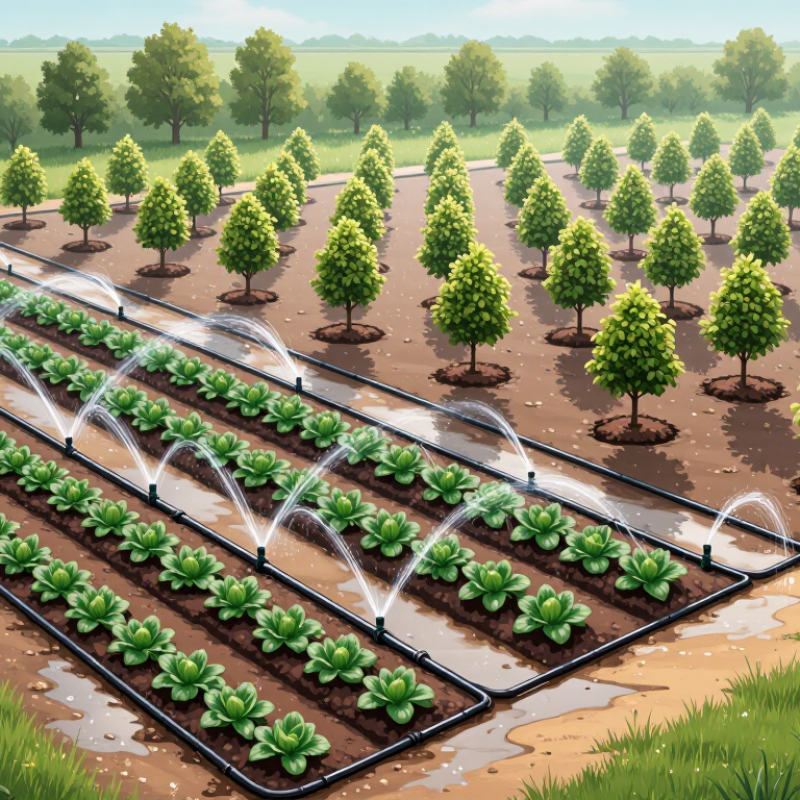
How Micro Sprinkler Irrigation Systems Work
A micro sprinkler system carries water from a source through a filter, pressure regulator, and network of small pipes. Short tubes or risers feed individual sprinkler heads. Each head releases a gentle spray in a circle or fan, wetting a limited area rather than a whole field. Small details matter. Pressure that is too low can shrink the spray pattern; pressure that is too high may create fine droplets that drift in wind. The filter helps keep grit from clogging the narrow outlets, but it needs regular cleaning.
Coverage depends on nozzle type, spacing, water pressure, and plant growth. A head placed beside a young tree may water well at first, then miss the expanding root zone. In practice, a layout can look tidy on paper and still leave a dry crescent between sprinklers. Set out catch cups, run the system, and compare how much water each collects. Adjust spacing or run time where coverage is uneven. Not always. Sloping ground, wind, and changing soil can make even a careful setup imperfect. Check emitters for blockages, leaks, and tilted risers during routine watering. These small checks help keep delivery consistent without assuming every plant needs the same amount.
