
10 Tips for Choosing an Indoor Perimeter LED Display Screen
Choosing an Indoor Perimeter Led Display Screen requires more than comparing pixel pitch and price. The right system must support clear visibility, safe installation, reliable operation, and a comfortable audience experience. In a sports arena, viewers may sit ten metres away, while cameras capture the display from changing angles. These conditions affect brightness, refresh rate, cabinet size, and viewing distance.
Alan Brawn, a respected digital signage and AV consultant, has expressed a practical principle: “Technology should serve the message, not distract from it.” That idea matters here. A powerful screen can still fail when glare hides sponsor graphics, motion appears uneven, or the cabinet interrupts sightlines. Selection should begin with the venue’s real measurements. Check the mounting structure. Test content under actual lighting. Ask about service access, spare modules, and long-term colour consistency.
This guide presents ten useful tips for evaluating an Indoor Perimeter Led Display Screen. It considers pixel pitch, brightness control, refresh performance, flexibility, protection ratings, energy use, control systems, and maintenance support. It also examines details that are easy to overlook, such as corner shaping, cable routing, camera compatibility, and player safety. Small mistakes become expensive later. Sometimes, the cheapest quote is not the economical choice. A dependable supplier should provide test footage, technical drawings, warranty terms, and evidence from comparable installations. No screen is perfect. The goal is a balanced decision that matches the venue, content, budget, and operational reality.
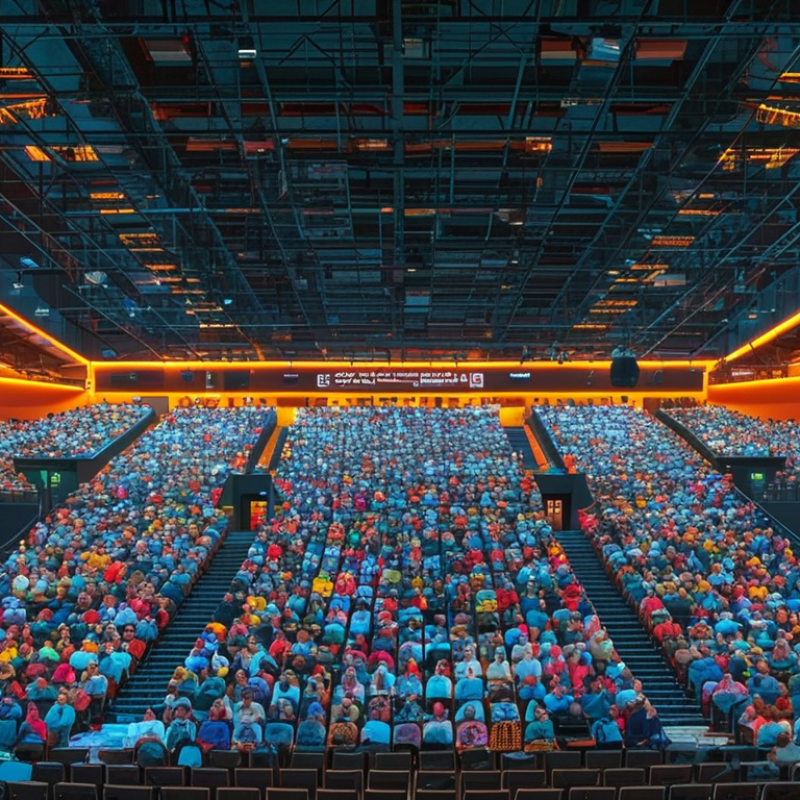
Understanding Indoor Perimeter LED Display Screens
Understanding Indoor Perimeter LED Display Screens
An indoor perimeter LED display surrounds a court, stage, or retail zone. It must remain visible from changing angles and distances. Grand View Research valued the global LED display market at approximately USD 7.32 billion in 2023. Its forecast also indicates continued growth through 2030. This expansion makes product comparison harder, not easier. A bright cabinet alone does not prove suitability.
Use a ten-point check before purchasing.
- Measure viewing distance and select pixel pitch accordingly.
- Check brightness control for cameras and nearby spectators.
- Confirm refresh rates above 3,840 Hz for clean video capture.
- Inspect color consistency across connected cabinets.
- Ask for real motion samples, not still images.
- Verify cabinet weight, edge protection, ventilation, and service access.
- Test signal redundancy and synchronization.
- Review IEC 62368-1 safety compliance.
- Finally, examine warranty response times and spare-part availability.
Small details matter.
Indoor venues often expose weaknesses quickly. A screen may look excellent in a showroom but show seams under arena lighting. The International Telecommunication Union recommends considering viewing conditions when evaluating image quality, rather than relying on resolution alone.
I would also test the display beside the actual floor, with cameras running. This step is easy to skip. That is a mistake. My own checklist is not perfect; cable routing, cleaning access, and operator training can still be overlooked. A reliable evaluation records measurements, photographs installation points, and requests a full-day trial before final approval.
