
7 Tips for Choosing a Horizontal Shaft Concrete Mixer
Choosing a Horizontal Shaft Concrete Mixer is not simply a matter of comparing motor power, drum size, or purchase price. The machine must match your materials, production rhythm, site conditions, and maintenance capacity. A mixer that performs well with damp aggregate may struggle with stiff, fiber-reinforced, or low-slump concrete. Small details matter. Watch the discharge gate, inspect the mixing arms, and listen for uneven motor noise.
Concrete equipment specialist David White puts it clearly: “The right mixer is chosen by the concrete it must produce, not by its brochure capacity.” That principle deserves attention. Rated volume can look impressive, yet the usable output may be lower when the mix contains large aggregate or requires longer blending. Operators should also examine shaft design, liner protection, cleaning access, gearbox quality, and spare-parts availability. These features influence daily consistency more than attractive specifications.
This guide presents seven practical tips for selecting a Horizontal Shaft Concrete Mixer with fewer surprises after installation. It considers mixing efficiency, batch size, power demands, wear resistance, safety, service support, and total operating cost. Some recommendations may seem obvious. They are still easy to overlook during a rushed purchase. A cheaper machine can become expensive when production stops, liners wear quickly, or technicians cannot reach the interior safely. Measure your actual workflow first. Then challenge every supplier claim against real operating conditions.
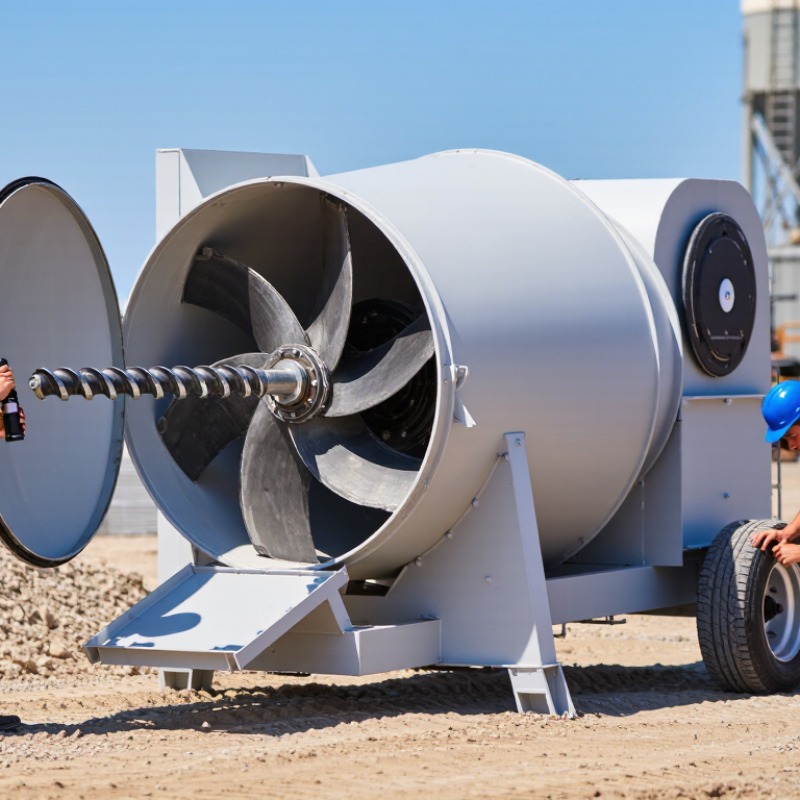
Define Capacity: Match 1–6 m³ Batches to Required Concrete Output
Choosing a horizontal shaft concrete mixer starts with one practical question: how much concrete must the site produce per hour?
Rated capacity is only a starting point. A mixer listed for 1 m³ may deliver less usable volume after allowing space for aggregate movement and safe mixing.
For small repair projects, 1–2 m³ batches can provide better control. Operators can adjust water and admixture levels without creating excess material.
A 3–4 m³ mixer suits regular foundations, slabs, and drainage work. Larger 5–6 m³ batches may support continuous placement, but they require steady aggregate supply, enough loading space, and trucks ready to receive concrete.
Measure the full cycle, not only the mixing time.
Loading, moisture checks, discharge, and cleaning all affect hourly output. For example, a 4 m³ batch taking twelve minutes produces about 20 m³ per hour in theory. Delays may reduce that figure sharply. Rain, sticky aggregates, or manual loading can create a less predictable result.
Do not fill the chamber to its maximum every time. A slightly smaller batch may mix more evenly and discharge faster.
I have seen production plans fail because they counted rated volume instead of usable output. That mistake is easy to repeat.
Compare the required daily volume with real cycle data from similar materials. Leave room for interruptions, because concrete work rarely follows a perfect schedule.
