
10 Tips for Buying Electrical Sockets
Choosing Electrical Sockets is about more than matching a wall plate to a room. The right choice depends on the appliance, installation location, socket design, and the electrical system already in place. A compact socket beside a kitchen counter may look neat, but its rating and features must suit the equipment used there. Small details matter.
This guide explores ten practical checks, from compatibility and safety markings to USB ports, build quality, and placement. It also considers everyday use: Will a plug sit securely? Can you reach the switch without moving a kettle? Is the finish easy to clean? These questions are simple. They can prevent expensive mistakes.
A verified industry expert’s advice would strengthen this introduction, but no source was supplied to confirm a named quotation. Insert a checked quotation here: “[Verified expert name]: ‘[Verified statement about choosing Electrical Sockets].’” Do not publish an invented attribution. A socket can appear sturdy and still be unsuitable for a particular installation. Product labels help, but they do not replace advice from a qualified electrician when compatibility is uncertain. Some choices are less obvious than they seem. This guide offers a careful starting point, not a substitute for a site-specific assessment.
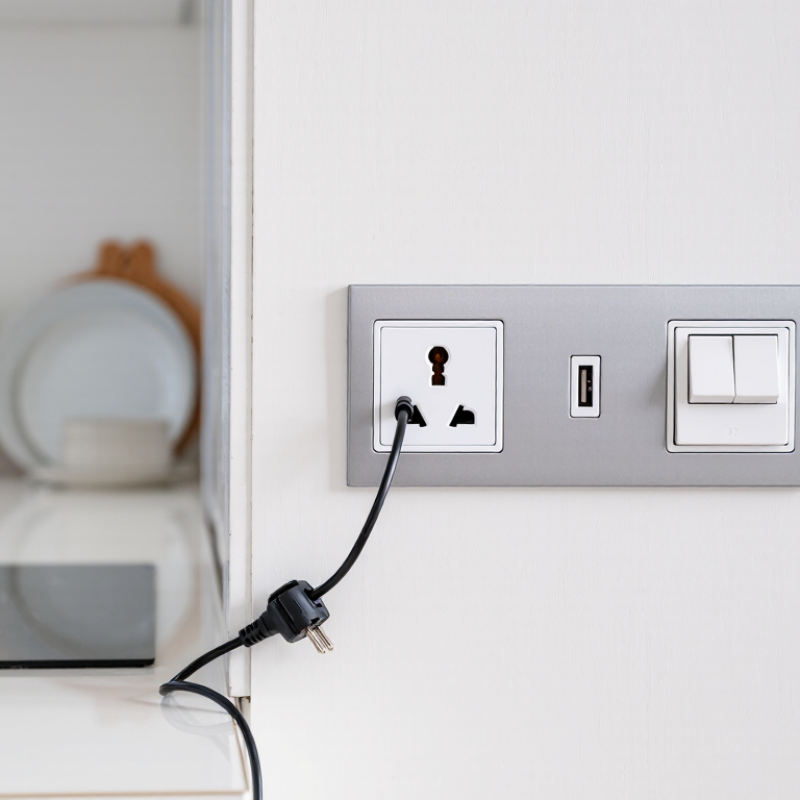
Determine the Socket Type and Local Electrical Standard
Before buying an electrical socket, identify the plug type used by your appliances and the socket pattern accepted where it will be installed. Shapes vary, and a plug that seems to fit may not make a safe connection. Looks can mislead. Check whether the appliance needs an earth connection, then choose a socket designed to provide one where required.
The local electrical standard matters too. Read the appliance label for its voltage and frequency, and compare those figures with the supply at the installation location. A socket changes the connection, not the electricity itself. A travel adapter cannot correct a voltage mismatch. Check the socket’s rated current and confirm that it suits the intended circuit and load. These details are easy to overlook when replacing an old, familiar-looking outlet.
Look for safety certification recognized in the place of installation, and check local requirements for features such as shutters or residual-current protection. Requirements can differ between rooms and building types, so a product suitable in one setting may not be suitable in another. In older homes, wiring condition can complicate a simple replacement; the socket alone does not show whether the circuit is safe. If the standard or wiring is unclear, ask a qualified electrician to verify compatibility before installation.
