
7 Tips for Buying High Silicon Steel
Choosing High Silicon Steel is not just a matter of comparing prices or selecting the highest silicon content. The right material depends on its intended use, required magnetic performance, operating conditions, and manufacturing process. Small differences in grade or thickness can affect performance and fabrication. Details matter.
A careful buyer should review technical data, confirm applicable test methods, and ask how properties were measured. Request documentation for chemical composition, thickness tolerance, and magnetic characteristics. Then compare those details with the actual demands of your design. A supplier’s headline specification is useful, but it does not tell the whole story.
These seven tips are designed to make that evaluation more practical. They cover defining requirements, checking material specifications, assessing processing needs, and evaluating supplier support. They also highlight questions that are easy to overlook, such as how the steel will be cut, formed, stored, or tested after delivery. Ask for evidence. Where possible, validate critical claims with samples or independent testing suited to your application.
No buying checklist can replace sound engineering judgment, and a seemingly minor trade-off may matter in production. I would not assume that one grade suits every project. Use the guidance below to compare options clearly, identify unanswered questions, and make a decision based on verifiable information rather than a sales description alone.
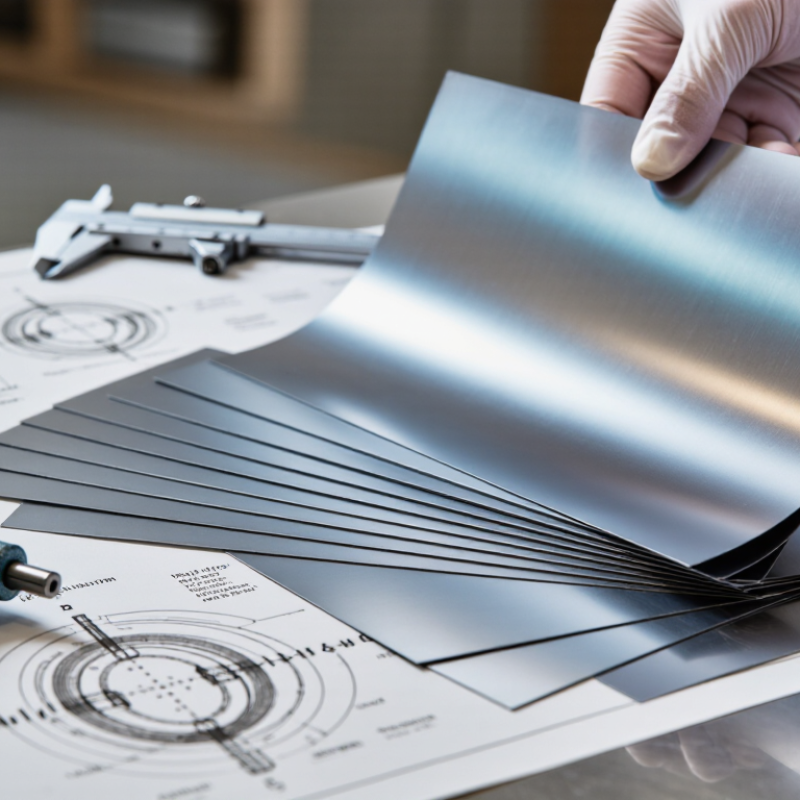
Define the Grade: High-Silicon Electrical Steel Often Contains 3.5–6.5 wt% Si
High-silicon electrical steel is often described as containing 3.5–6.5 wt% silicon, but treat this as a category, not a complete grade. wt% means silicon’s share of the alloy’s total mass. A sheet near 3.5% differs meaningfully from one near 6.5%. That matters. Ask for the exact chemistry, permitted limits, and material condition on the inspection certificate. Compare these details with your purchase specification, not just a product label. Confirm that the silicon figure refers to the steel itself, not a coating or surface treatment. A small paperwork detail, with real consequences.
Silicon increases electrical resistivity and can help reduce core losses in magnetic circuits. More is not automatically better. Higher silicon levels can make sheet less forgiving during slitting, punching, or bending. Edge cracks may only become obvious during assembly. Match the grade to the required thickness, manufacturing process, and magnetic performance. Request loss and permeability data at the intended frequency and flux density. Check rolling direction and insulation coating separately. If documentation gives only the broad 3.5–6.5 wt% range, request the actual heat analysis and tolerance. That range is wide enough to deserve a second look. Silicon content alone cannot predict performance.
