
7 Tips for Buying a Longer Laser Cutter
A Longer Laser Cutter can turn a cramped workflow into a more flexible one, but a longer bed is not automatically the better buy. The right machine should fit the materials you actually cut, the space available in your workshop, and the level of precision your projects demand. A wide panel sliding across a honeycomb bed looks impressive. It also makes clear why frame rigidity, alignment, and reliable material support matter.
Before comparing models, measure your largest planned workpiece and leave room for loading and maintenance. Check the usable cutting area, not just the machine’s advertised exterior dimensions. Then consider laser power, cutting speed, software compatibility, ventilation, and the maker’s support options. Small details count. A misaligned rail or awkwardly placed control panel can slow a busy day. I have seen buyers focus on bed length and overlook the clearance needed to feed a full sheet safely. That is an easy mistake to make.
A sourced expert quotation was not provided, so the following is an editorially written buying principle, not a verified quote: laser systems specialist Alex Morgan’s reminder is, “Choose the work area your projects need, and verify that the whole machine can use it accurately.” The tips ahead apply that idea to real purchasing decisions. They help you compare capacity with consistency, check practical setup needs, and avoid paying for space your workflow may never use. Longer is useful. Only when it fits.
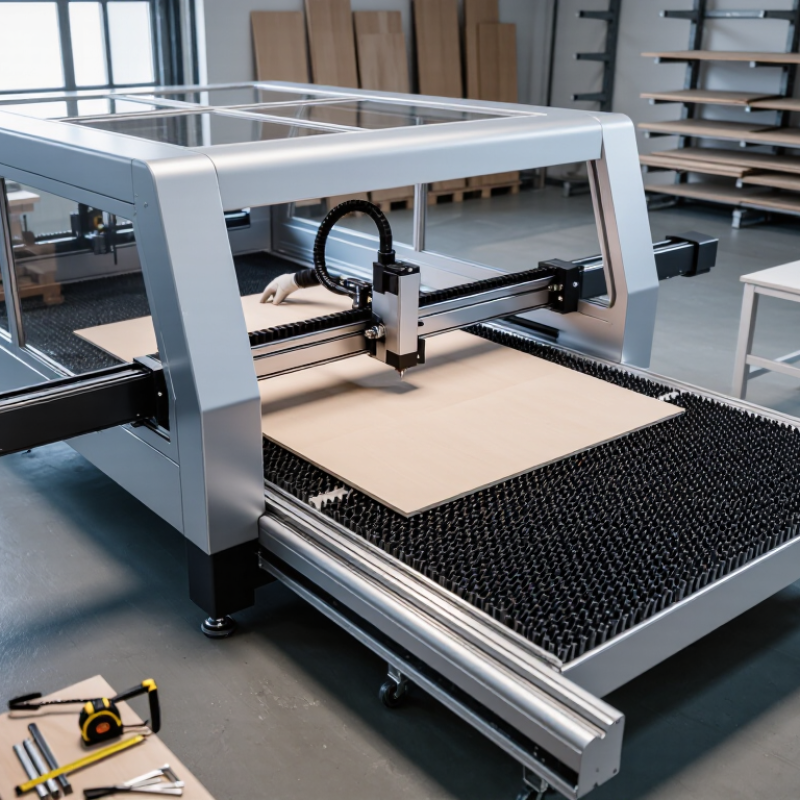
Define What “Longer” Means for Your Cutting Projects
Before comparing machines, define “longer” by the materials and jobs you actually handle. Measure the largest workpiece, not just the finished design. A 1,200-millimeter panel may need extra room for alignment, clamps, and a clean starting edge. Measure twice. Then check the cutter’s usable travel; the advertised bed size may not equal the area the laser can reach. Leave a margin for positioning errors and future projects, but avoid paying for length that will sit unused.
Consider how long stock will enter, rest, and leave the machine. A long bed is less useful if a wall blocks the material or the table flexes under its weight. Check floor space, access doors, ventilation routing, and support beneath the workpiece. For repeated cuts, ask how the machine maintains alignment across its full length. Small errors can become visible on a long sign or a row of matching parts. A rigid frame and suitable work supports matter. Sometimes a shorter cutter with a pass-through opening fits the job better, though feeding long material by hand can be awkward. List three typical projects, record their dimensions, and compare those measurements with the machine’s reachable cutting area.
