What is a Stainless Hex Nut and How is it Used?
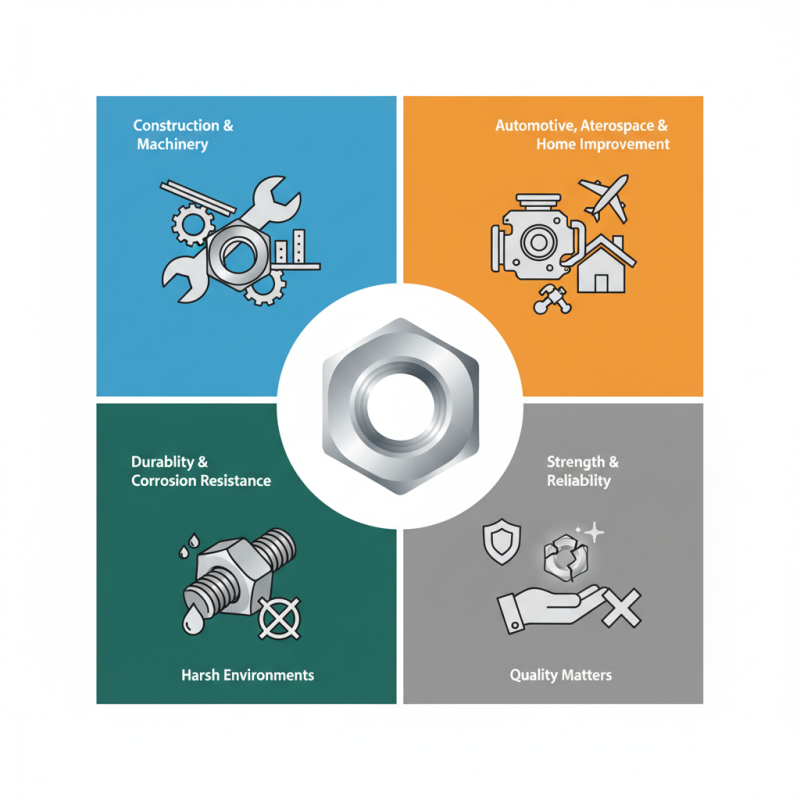
Stainless Hex Nuts play a crucial role in various applications. These small, hexagonal fasteners are made from stainless steel, ensuring durability and resistance to corrosion. Their design allows for easy gripping and tightening with wrenches, making them essential in construction and machinery.
The versatility of Stainless Hex Nuts is impressive. They can be found in automotive, aerospace, and home improvement projects. The ability to withstand harsh environments adds to their appeal. However, improper installation can lead to issues. For example, over-tightening can cause damage to materials.
Understanding the use and benefits of Stainless Hex Nuts is essential for both professionals and DIY enthusiasts. They are not just ordinary fasteners. These nuts offer strength and reliability when selected correctly. Yet, it's important to recognize that poor quality hex nuts can lead to failures. Taking the time to choose high-quality options will pay off in safety and longevity.
Definition of Stainless Hex Nut: Characteristics and Composition
A stainless hex nut is a fastener used to secure objects together. It has a hexagonal shape, making it easy to grip with tools. Stainless steel gives it strength and resistance to corrosion. This makes it an ideal choice for both indoor and outdoor applications.
The composition of a stainless hex nut typically includes iron, chromium, and nickel. These materials provide durability and prevent rusting. Some hex nuts might include other elements for specific characteristics. For example, molybdenum can enhance strength and toughness. The right choice depends on the environment where it will be used.
People often overlook the importance of proper sizing. A hex nut that is too large or small can cause issues. It may not fit snugly, leading to joint failure. Regular inspection is necessary to ensure functionality. Small imperfections can lead to significant problems. Outdated fasteners might need replacement, but many ignore this.
Common Applications of Stainless Hex Nuts in Various Industries
Stainless hex nuts are essential fasteners used in many industries. Their hexagonal shape allows for easy gripping and tightening. They are commonly used in construction, automotive, and manufacturing applications. In construction, they hold together structural components. These nuts ensure stability and safety in buildings. In the automotive sector, they fasten engine parts and chassis components. Reliable connections are crucial to vehicle safety.
In manufacturing, stainless hex nuts are vital for assembly lines. They enable quick assembly and disassembly of machinery. The durability of stainless steel protects against rust and corrosion.
However, not all applications may suit stainless hex nuts. Some environments can be abrasive, affecting their performance. Users should regularly inspect them to ensure reliability. Regular checks can help prevent unexpected machinery failures.
Installation Methods for Stainless Hex Nuts: Tools and Techniques
Stainless hex nuts are essential fasteners in various applications. Proper installation methods can significantly impact their performance. Tools like torque wrenches and socket sets are commonly used. These tools ensure accurate tightening, which is crucial for joint integrity. According to recent industry reports, using the right tools improves assembly efficiency by up to 30%.
When installing stainless hex nuts, consider torque specifications. Over-tightening can lead to bolt failure. On the other hand, under-tightening can result in loosening over time. A torque wrench can help achieve the right balance. It’s important to check the specifications given by the manufacturer.
**Tip:** Always use a clean surface when installing. Dirt or oil can affect the grip of the nut.
Also, pay attention to the material of the bolts. Different materials have different strength parameters. Sometimes, using a stainless hex nut with a softer bolt can result in damage.
**Tip:** Review installation practices periodically. Mistakes can happen, and reflecting on past installations helps improve future outcomes. Proper training for teams on these techniques can reduce errors and maintenance costs.
What is a Stainless Hex Nut and How is it Used? - Installation Methods for Stainless Hex Nuts: Tools and Techniques
| Dimension | Material | Common Use | Installation Method | Tools Required |
| 1/4 inch | Stainless Steel | Automotive Applications | Wrench Tightening | Socket Wrench |
| 3/8 inch | A2 Stainless Steel | Construction | Torque Wrench Method | Torque Wrench |
| 1/2 inch | A4 Stainless Steel | Marine Applications | Impact Wrench Application | Impact Wrench |
| 5/8 inch | Industrial Grade Stainless | Heavy Machinery | Manual Hand Tool Usage | Adjustable Wrench |
Maintenance and Care for Stainless Hex Nuts to Ensure Longevity
Stainless hex nuts are crucial in many applications. Maintaining their integrity is vital for safety and longevity. Regular inspections can help identify early signs of wear or corrosion. According to industry data, 15% of nuts fail due to inadequate maintenance.
Keeping stainless hex nuts clean is essential. Dirt and grime can trap moisture, leading to rust. A simple solution is to wipe them down with a dry cloth. This step takes very little time but can significantly extend their life. In environments prone to salt or chemicals, specialized cleaners might be necessary.
Tightening should also be done correctly. Over-tightening can cause stripping, while under-tightening may lead to loose connections. Aim for the recommended torque settings stated in guidelines. A misstep here can cause project delays and increased costs. Regular documentation of maintenance checks can help in forecasting replacements.
Differences Between Stainless and Other Types of Hex Nuts: A Comparative Overview
Stainless hex nuts are popular in various applications, but how do they compare to other types? Understanding the differences can help in choosing the right one for your project.
Stainless hex nuts resist corrosion, making them ideal for outdoor use. Unlike standard steel nuts, they maintain their strength and reliability in harsh conditions. However, they're not as strong as some carbon steel nuts, which may be necessary for heavy-duty applications. It’s essential to evaluate the environment and load requirements before selecting the type.
Tip: Always double-check the specifications of your project. Not all materials are interchangeable.
Brass and nylon hex nuts offer different benefits. Brass is visually appealing but doesn’t have the same corrosion resistance as stainless. Nylon, while lighter, may not withstand high temperatures. Balancing strength, weight, and environment is key.
Tip: Consider your project’s longevity. Sometimes, spending more on stainless pays off in durability.
It's crucial to recognize that no single material is perfect. Each has pros and cons, which can affect your overall project. Choosing the right hex nut requires thoughtful consideration of your specific needs.