How to Source High Quality 430 Stainless Steel Strips?
In today's competitive market, sourcing high-quality 430 Stainless Steel Strips is critical for various industries. The demand for stainless steel products continues to grow. According to a recent report by Global Market Insights, the stainless steel market is expected to exceed USD 150 billion by 2026. This reflects the increasing use of materials like 430 stainless steel in automotive, construction, and consumer goods.
Understanding what constitutes high quality is essential. Various factors, including thickness, finish, and alloy composition, can significantly affect performance. A significant number of manufacturers struggle to maintain consistent quality in production. Moreover, a 2021 survey revealed that nearly 40% of companies reported issues with material defects. This underlines the importance of careful sourcing.
Approaching suppliers with expertise is crucial. Look for manufacturers who provide certifications and detailed specifications. Quality assurance processes, such as third-party testing, can mitigate risks. While price competitiveness is vital, sacrificing quality for lower costs can lead to long-term challenges. It's important to reflect on not just cost, but also reliability and durability in sourcing 430 stainless steel strips.
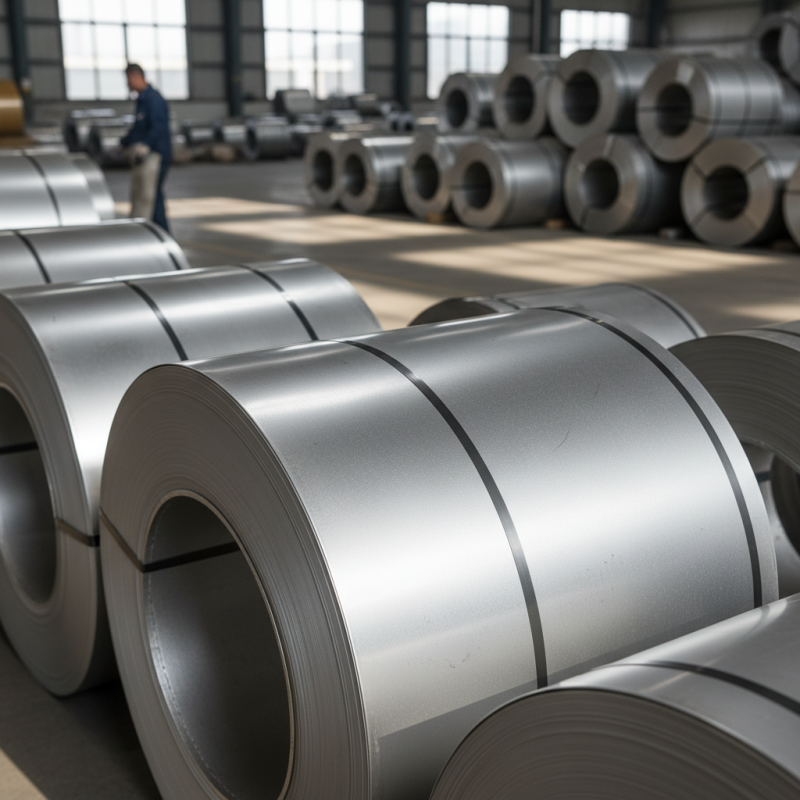
Understanding 430 Stainless Steel: Properties and Applications
430 stainless steel is popular in various applications due to its excellent properties. Its chromium content ranges from 16% to 18%, which gives it strong corrosion resistance. This makes it suitable for indoor and outdoor uses, particularly in environments prone to moisture. According to a market report by Global Industry Analysts, the demand for 430 stainless steel is expected to grow substantially by 2025.
The material exhibits good ductility and formability, making it ideal for manufacturing strips. However, while processing, achieving optimal thickness can be challenging. This stainless steel alloy is often used in kitchen appliances, automotive components, and architectural design. Its magnetic properties are another notable feature, appealing for applications where magnetic attraction is required.
Despite its advantages, 430 stainless steel does have some limitations. It is less resistant to corrosion than higher grades, such as 316 stainless steel. This can lead to performance issues in harsh environments. Therefore, it is crucial to assess the application requirements before final selection. Being aware of these nuances aids in making informed sourcing decisions for high-quality strips.
Quality Comparison of 430 Stainless Steel Strips
Identifying Reliable Suppliers for 430 Stainless Steel Strips
Identifying reliable suppliers for 430 stainless steel strips is crucial for quality and performance. Start by researching the market. Look for suppliers with a solid reputation. Check online reviews, industry ratings, and customer testimonials. A reliable supplier often showcases their expertise in metallurgy and processing.
Another effective method is to request samples. This allows you to assess the quality firsthand. Pay attention to the surface finish and tolerances. Do the samples meet your specifications? If a supplier hesitates to provide samples, it may raise concerns about their quality control practices.
Engaging in direct communication also helps. Ask detailed questions about their sourcing and production processes. Can they share certifications or quality assurance measures? A trustworthy supplier should be transparent. Evaluate their responses to gauge their reliability. Reflecting on these aspects can guide you toward successful sourcing.
Evaluating Quality Standards for Stainless Steel Manufacturing
Evaluating quality standards in stainless steel manufacturing is crucial for sourcing high-quality 430 stainless steel strips. It begins with understanding the standards set by organizations like ASTM and ISO. These standards dictate the chemical composition, mechanical properties, and surface finish required for stainless steel products.
When assessing suppliers, pay attention to their certifications. A reputable manufacturer should provide documentation that shows compliance with industry standards. Conducting material tests can also help verify the quality prior to purchase. Be cautious; not every supplier may uphold high standards, even if they claim to do so. Look for transparency in their production processes.
Tips: Always request samples before committing to larger orders. Evaluate the sample's quality, finish, and dimensions. Check for any inconsistencies in the product. If something seems off, it might be time to reconsider. Remember, a small flaw could lead to larger issues in your projects. Trust your instincts and keep a critical eye.
How to Source High Quality 430 Stainless Steel Strips? - Evaluating Quality Standards for Stainless Steel Manufacturing
| Parameter | Description | Importance | Standard Value |
| Chemical Composition | Proportions of key elements | Ensures forgeability and corrosion resistance | Fe, 17% Cr, 0.12% C |
| Thickness | Thickness of the steel strip | Affects strength and durability | 0.2 mm - 3.0 mm |
| Surface Finish | Quality of the finished surface | Influences aesthetic and performance | #2B, #4, No.1 |
| Mechanical Properties | Strength and ductility | Essential for structural applications | Yield strength ≥ 240 MPa |
| Certification | Quality and safety standards compliance | Ensures reliability and safety | ISO 9001, ASTM A240 |
Comparing Prices and Quality among Different Suppliers
When sourcing high-quality 430 stainless steel strips, price and quality often go hand in hand. According to a recent industry analysis, the demand for stainless steel strips is projected to grow at a rate of 5.6% annually. This trend urges buyers to find reliable suppliers who can provide both competitive pricing and consistent quality. Quality should not be compromised for the sake of lower costs. Many suppliers may offer lower prices but may lack certifications or quality assurance processes, making it essential to do thorough research.
Evaluating supplier quality can be challenging. It's crucial to assess their production capabilities and quality control measures. A study by the International Stainless Steel Forum noted that some lower-cost suppliers fail to meet ASTM standards, which can lead to product failures. Engaging with suppliers directly and examining their manufacturing processes can mitigate risks. Requesting samples before committing to larger purchases can also reveal the material’s true quality.
Understanding the total cost involves more than just price comparisons. Factors like shipping costs and lead times play significant roles. A cheaper strip might incur higher expenses in logistics. Therefore, balancing cost with reliability is key to making informed decisions. Ultimately, careful consideration and due diligence can ensure you source the best stainless steel strips for your needs.
Best Practices for Sourcing and Procurement of Steel Strips
When sourcing high-quality 430 stainless steel strips, it’s crucial to prioritize reliable suppliers. The reputation of the supplier matters. Engage with manufacturers who have years of experience in the steel industry. Look for those that specialize in stainless steel products. They often have stringent quality control processes in place. This ensures that the steel strips meet necessary standards.
Establish clear specifications before starting the procurement process. Define the dimensions, thickness, and finish of the strips you need. Communicate these requirements effectively to your suppliers. Request detailed product samples to assess the quality. Inspect the surface for defects and ensure consistent thickness. This proactive approach reduces the chances of issues later in production. Miscommunications can lead to sourcing materials that do not fit project needs.
Building long-term relationships with suppliers can be beneficial. Repeat business creates a rapport, often leading to better pricing and service. It’s important to remain vigilant. Some suppliers may cut corners. Regularly review their quality and reliability. Continuous improvement in your sourcing practices can lead to better outcomes, but it requires constant evaluation and responsiveness to market changes.