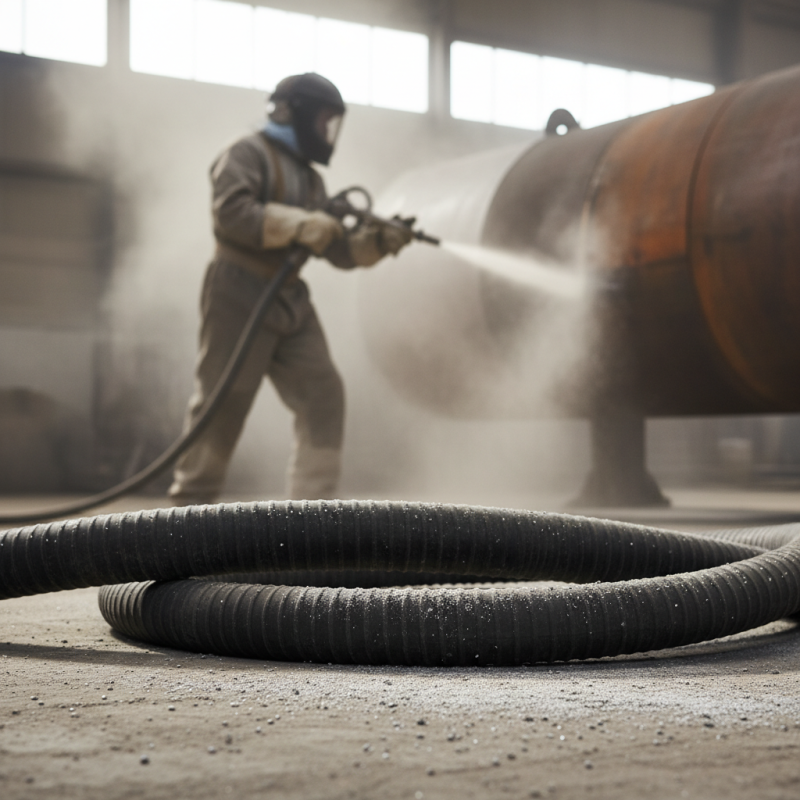
What is Sandblast Rubber Hose and How is it Used?
The "Sandblast rubber hose" is essential in various industries, especially for abrasive blasting. According to industry reports, the demand for high-quality hoses has increased by 15% annually. This is due to the growing use of abrasive materials in construction and manufacturing.
These hoses are designed to withstand extreme conditions. They must resist wear from abrasives and withstand high pressure. The rubber material offers flexibility and durability, making them ideal for sandblasting applications. However, users face challenges in maintaining optimal performance over time.
Improper use can lead to damage and increased wear. Regular inspections are crucial for ensuring safety and efficiency. While many companies invest in these hoses, it’s important to reflect on best practices to maximize their lifespan. Understanding the challenges and solutions in utilizing a "Sandblast rubber hose" can significantly impact operational success.
What is Sandblast Rubber Hose?
Sandblast rubber hoses are essential tools in the field of abrasive blasting. They are designed to transport abrasive materials at high pressures. These hoses allow for efficient delivery of sand, grit, or other media used in surface preparation and cleaning. Their flexibility makes them suitable for various applications.
The construction of sandblast hoses is unique. They feature a durable rubber exterior that withstands harsh conditions. Inside, a reinforced lining prevents wear and tear from the abrasive flow. However, over time, these hoses can show signs of wear. Users need to check for cracks or abrasions regularly. Ignoring these signs can lead to accidents or reduced efficiency.
Many professionals rely on sandblast hoses for their work. Yet, improper handling can lead to issues. It's crucial to use the right hose for specific tasks. Poor choice can lead to premature damage. Understanding the limitations of each hose type is key. Users should always prioritize safety and maintain their equipment diligently.
What is Sandblast Rubber Hose and How is it Used?
| Property | Description |
| Material | Rubber with high abrasion resistance |
| Size Range | Typically 1/2" to 2" diameter |
| Temperature Range | -20°F to 200°F (-29°C to 93°C) |
| Applications | Used for sandblasting, shot blasting, and other abrasive material handling |
| Pressure Rating | Up to 100 PSI depending on size |
| Features | Flexible, durable, and resistant to weathering and ozone |
Key Features of Sandblast Rubber Hose
Sandblast rubber hoses are essential tools in many industries. They are specifically designed to handle high-pressure applications. One of their key features is the ability to resist wear and tear. This is crucial, as sandblasting environments can be harsh. According to a recent industry report, quality sandblast hoses can last up to twice as long as standard rubber hoses.
Another important feature is their flexibility. Good sandblast rubber hoses maintain flexibility even at lower temperatures. This allows for easier maneuverability in tight spaces. Additionally, many sandblast hoses come equipped with a safety factor built into their design. This improves user safety when handling high-pressure tasks. However, not all hoses are created equal, and some may become rigid over time. Users must regularly inspect hoses for signs of wear.
Resistance to abrasiveness is also a significant characteristic. The inner lining of these hoses typically consists of hardened rubber that withstands the impact of sand. But this quality can degrade if not properly maintained. Misuse can lead to ruptures, causing potential safety hazards. Regular checks and preventive measures are essential to prolong the lifespan of these hoses.
Common Applications of Sandblast Rubber Hose
Sandblast rubber hoses are essential tools for various industrial applications. They are primarily used in sandblasting, which helps clean surfaces and prepare them for coating or painting. These hoses can withstand the high pressure required in sandblasting. A typical sandblast hose is designed to handle pressures up to 150 psi and temperatures ranging from -20°F to 150°F.
Common applications include automotive repair, metal surface finishing, and concrete cleaning. In automotive settings, these hoses can remove rust, paint, and contaminants effectively. Reports indicate that the global market for sandblasting equipment, including hoses, is expected to grow at a CAGR of around 5% from 2021 to 2026. In concrete cleaning, sandblast hoses help maintain structural integrity and safety by removing old materials.
Proper maintenance of sandblast hoses is crucial. Over time, wear and tear can lead to leaks and pressure loss. Industry experts recommend regular inspections and timely replacements to prevent accidents. Many professionals wonder about the lifespan of these hoses, which often varies from a few months to years, depending on usage and care. Ignoring maintenance can be costly.
Common Applications of Sandblast Rubber Hose
Maintenance and Care for Sandblast Rubber Hose
Sandblast rubber hoses are essential in various industrial applications, primarily for sandblasting work. These hoses are designed to withstand high pressure and abrasive materials, making them fundamental in many industries. To ensure their longevity, regular maintenance and proper care are crucial.
Routine inspection is vital. Look for signs of wear and tear. Cracks and bulges can indicate damage. According to a 2022 industry report, hoses that undergo regular checks can last up to 40% longer than those that don’t. Cleaning the hose after use helps prevent material buildup. Unwanted residue can cause clogs or damage over time, leading to costly replacements.
Tips: Always store hoses in a cool, dry place. Avoid sharp bends, which can weaken the material. Use hose reels for neat storage. This practice can prevent unnecessary wear and damages. Remember to replace any damaged sections promptly. Ignoring problems can lead to significant issues later, such as leaks or burst hoses. Engaging in proactive care saves money and time, ensuring that work processes remain efficient.
Safety Considerations When Using Sandblast Rubber Hose
When using a sandblast rubber hose, safety is paramount. This type of hose is designed to withstand high-pressure environments, which makes it essential for professionals in construction and manufacturing. However, improper handling can lead to severe injuries. According to industry reports, approximately 25% of sandblasting accidents are due to equipment failure or misuse.
It is crucial to inspect the hose regularly for any signs of wear or damage. A compromised hose can burst under pressure, causing flying debris or injuries to operators nearby. Always ensure that protective gear, such as goggles and gloves, is worn while using the hose. Reports indicate that over 40% of sandblasting injuries stem from lack of proper safety equipment.
Tips: Always maintain a clear workspace around the sandblasting area. This minimizes the risk of accidents and ensures a safer environment. Make it a habit to conduct pre-operational checks of your equipment. Safety might feel like an inconvenience, but it’s essential.
Training is also a key element. Ensure all operators understand the capabilities and limitations of the sandblast rubber hose. Familiarity with the equipment can prevent mishaps. Safety is not just a requirement; it’s a culture that must be fostered in the workplace.