
10 Power Distribution Transformer Buying Tips
Choosing a Power Distribution Transformer affects operating costs, uptime, safety, and future expansion. A unit may look suitable on a quotation yet miss the site's actual load profile or installation constraints. Small details matter. Buyers should confirm rated capacity, primary and secondary voltages, frequency, phase, impedance, cooling method, and applicable efficiency requirements. These are not merely catalog fields. They shape compatibility with switchgear, cables, protective devices, and available space. A 1,000 kVA rating alone does not show whether the transformer can handle daily peaks, motor starting, or expected load growth. Ambient temperature, altitude, ventilation, noise limits, and indoor or outdoor placement also affect selection.
This guide presents ten practical buying tips, from load calculations and transformer type to monitoring, warranty terms, commissioning, and service support. Request clear datasheets, test reports, dimensional drawings, and written confirmation of operating conditions. Compare total cost of ownership, not just the purchase price; energy losses can continue for decades. Still, no checklist replaces a qualified electrical engineer's review of site conditions and applicable technical requirements. That review may uncover an assumption everyone missed. The best choice fits the system today and remains practical to maintain as demand changes.
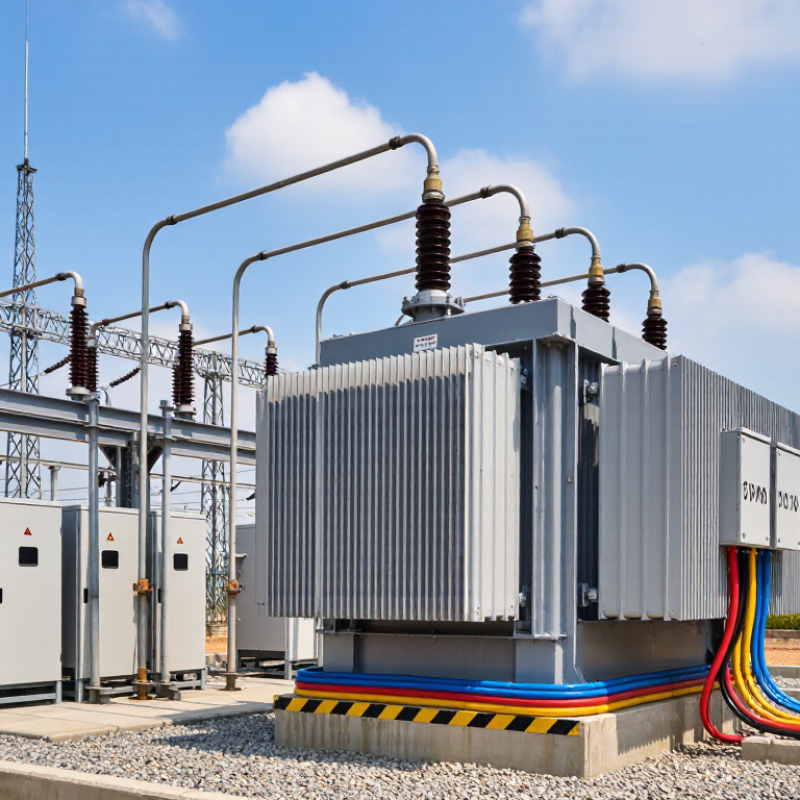
Define Load Profile, System Voltage, and 50/60 Hz Frequency Requirements
A transformer should be sized against the real load profile, not just the nameplate total. Record typical demand, peak demand, daily operating hours, and short motor-starting surges. A pump that runs briefly can draw several times its normal current at startup. Include future equipment and nonlinear loads, such as variable-speed drives, which can add harmonics and heat. Small details matter. The U.S. Department of Energy’s 2013 technical support analysis estimated distribution-transformer losses at about 61 billion kilowatt-hours annually. That estimate makes efficiency and realistic loading worth checking together. Still, site measurements are imperfect; one week of data may miss seasonal peaks.
Confirm primary and secondary system voltages, phase, grounding arrangement, and available tap settings with the utility or electrical engineer. A mismatch can leave equipment under-voltage or push it beyond its intended operating range. Specify frequency explicitly: 50 Hz or 60 Hz. Transformer core flux depends on voltage and frequency, so a unit designed for one combination may overheat at another. Do not guess. IEC 60076 provides the core international framework for transformer ratings and testing, but the purchase specification must reflect the actual installation. For example, note whether a 60 Hz supply serves the transformer continuously, and ask the manufacturer to confirm any cross-frequency operation in writing. That check feels tedious, but it is cheaper than discovering humming, excess temperature, or nuisance trips after commissioning.
