
How to Choose the Right Pipeline Strainer?
Choosing the right Pipeline Strainer is not simply a matter of selecting the finest screen available. The right choice depends on flow rate, fluid viscosity, particle size, operating pressure, and the system’s allowable pressure drop. A strainer that is too small can restrict flow; one with an unsuitable opening may let damaging debris pass through. Small details matter.
The U.S. Department of Energy’s Improving Pumping System Performance: A Sourcebook for Industry reports that pumping systems account for nearly 20% of global electricity demand. That figure is not a strainer-specific saving estimate, but it shows why avoidable flow resistance deserves attention. A clean, correctly sized strainer can help protect pumps, valves, and meters without creating unnecessary pressure loss. The practical choice also depends on what the line carries: coarse rust flakes in cooling water call for different protection than fine solids in a process stream. Basket, Y-type, and temporary strainers each suit different layouts, debris loads, and maintenance routines. Check the manufacturer’s pressure-drop data at the expected flow, and confirm the screen material suits the fluid and temperature. Then consider how an operator will isolate, open, and clean the unit. A calculation may look sound on paper, yet overlook the cramped space beside a pipe rack. That is worth checking before purchase. Proper selection is a balance between filtration, flow, durability, and service access—not a guess based on mesh size alone.
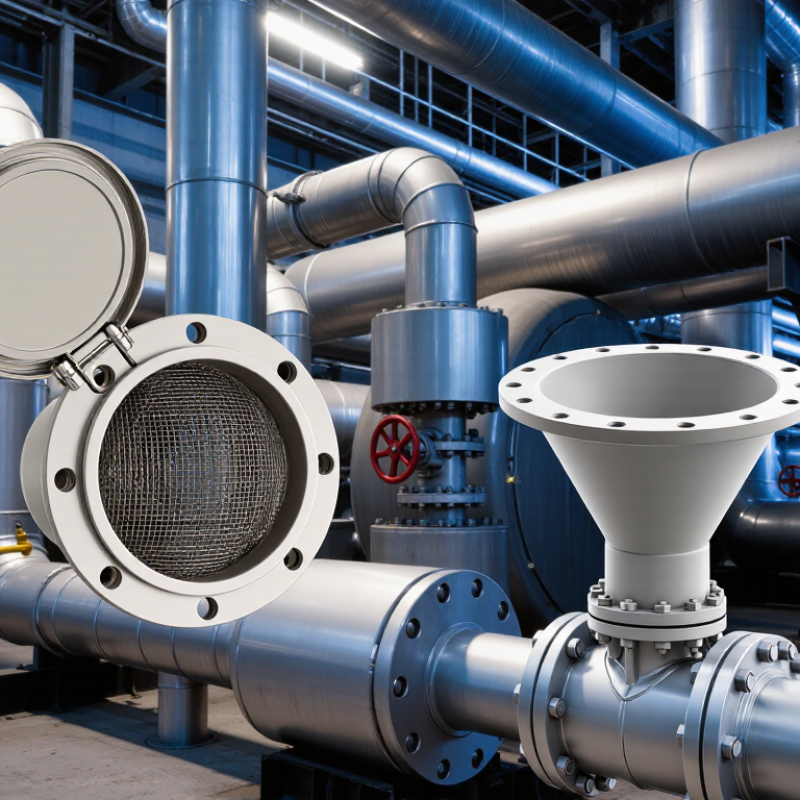
Identify the Fluid, Operating Conditions, and System Purpose
Choosing a pipeline strainer starts with the fluid, not the catalog. Water, oil, and viscous process liquids carry debris differently. Note the expected particle size, concentration, and whether solids are soft fibers or hard grit. These details affect screen opening and cleaning frequency. A fine screen may capture more particles, but it can also clog quickly. Small details matter.
Operating conditions narrow the choice. Record normal and peak flow, pressure, temperature, and any startup surges. Check that the strainer body and screen materials suit the fluid and temperature range. Estimate the pressure drop at the intended flow; a clean screen and a loaded screen behave differently. Leave room for inspection and screen removal. Not always easy in a crowded pipe rack.
The system’s purpose matters just as much. A strainer protecting a pump from weld scale may need a different opening than one guarding a control valve from recurring process debris. Consider how often operators can isolate and clean the unit, and whether a temporary startup screen is appropriate. A tidy sizing calculation can still miss an awkward maintenance routine. I would revisit the choice after reviewing actual debris samples and operating records, because assumptions about “typical” solids are often the weakest part of selection.
