
7 Tips for Buying the Best Mining Dredge
Choosing the right Mining Dredge is a practical investment, not a decision based on brochure photos alone. The machine must match your deposit, water depth, target production, and site conditions. A dredge that looks powerful on paper may struggle when faced with coarse gravel, changing water levels, or a long discharge pipeline.
This guide outlines seven buying considerations, from production capacity and pump design to mobility, maintenance, and supplier support. Look closely at the materials you expect to handle. Sand, silt, and gravel place different demands on pumps, cutters, and pipelines. Ask suppliers for performance data under conditions similar to your project, then check what routine service requires. Can your crew reach the wear parts quickly? Are replacement components available when the season is busy? Small details matter.
Fit matters more than flash. A higher-capacity model is not automatically the better choice; excess capacity can add cost without solving your actual bottleneck. Site surveys, realistic production estimates, and clear operating requirements help narrow the options. “Measure twice.” That is useful advice here, though no verified quotation from a named Mining Dredge expert was provided with the source material. I won’t assign invented words to a real person. Use the seven tips that follow to compare equipment carefully, test supplier claims, and identify compromises before they become expensive surprises.
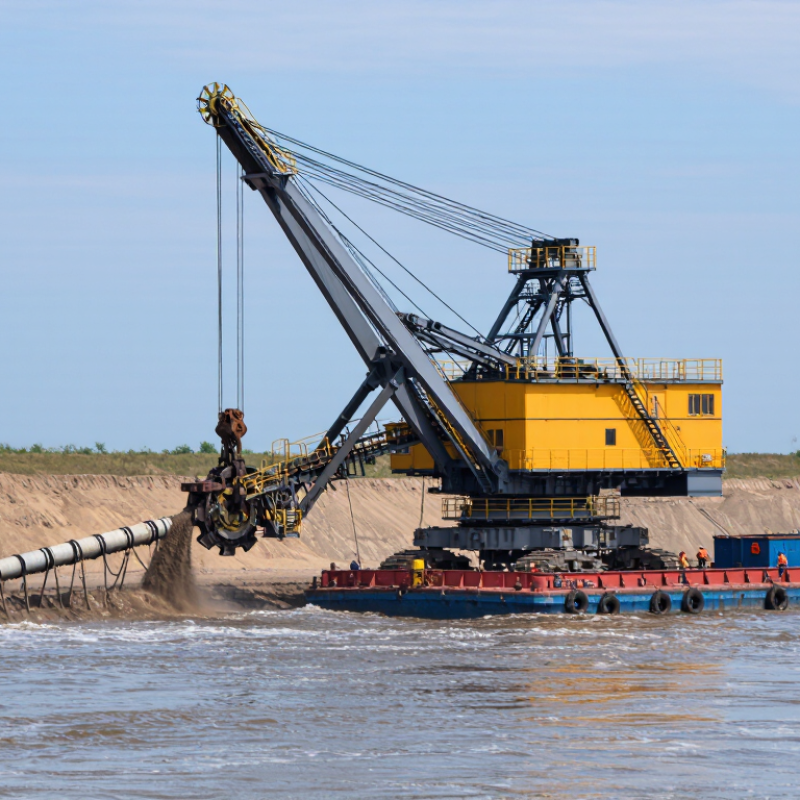
Define Your Mining Site Conditions and Production Goals
Before choosing a mining dredge, describe the site in measurable terms. Record water depth, seasonal level changes, access routes, and the distance to the discharge area. Note whether the bottom is loose sand, compact gravel, or mixed material. These differences affect excavation and pumping. Measure it twice. A few hand samples can reveal grain size, but they may miss buried layers or scattered large stones. Treat early observations as estimates, not guarantees.
Set a production goal in tons or cubic yards per hour, then clarify whether it means material excavated or usable material recovered. The two figures can differ. Estimate the expected sediment mix and operating hours, including time for repositioning, maintenance, and changing water levels. Ask how far and how high the dredge must move slurry; long discharge lines and steep lifts can reduce practical output. A small site sketch helps compare these needs against equipment capacity. Your first production estimate may look neat on paper and still be too optimistic. Build in room for uncertainty, and revisit the target after site testing.
