
Top Screen Printing Machine Manufacturers Worldwide?
Choosing a Screen Printing Machine manufacturer is not simply a matter of comparing prices. Buyers must weigh production speed, print consistency, service access, spare-part availability, and the materials a machine can handle. A press that performs well on a showroom floor may behave differently during a long production run. Small details matter: registration accuracy, changeover time, and the space needed around the machine.
Market reports offer useful context, but their scope deserves attention. Grand View Research estimated the global screen printing market at USD 3.7 billion in 2022 and projected a 3.9% compound annual growth rate from 2023 to 2030. That figure covers the broader screen printing market, not machine sales alone. Smithers’ industry research, including The Future of Global Printing to 2028, also provides context on changing print markets and investment pressures. Neither source, by itself, establishes which manufacturer is best. No ranking is perfect.
This guide compares leading manufacturers worldwide through practical criteria: product range, automation options, documented technical support, and suitability for different production scales. Company specifications and service claims should be checked directly before purchase, since models and regional support can change. Treat the list as a starting point, not a final verdict. The right choice depends on what you print, how often you print it, and the problems you need the machine to solve.
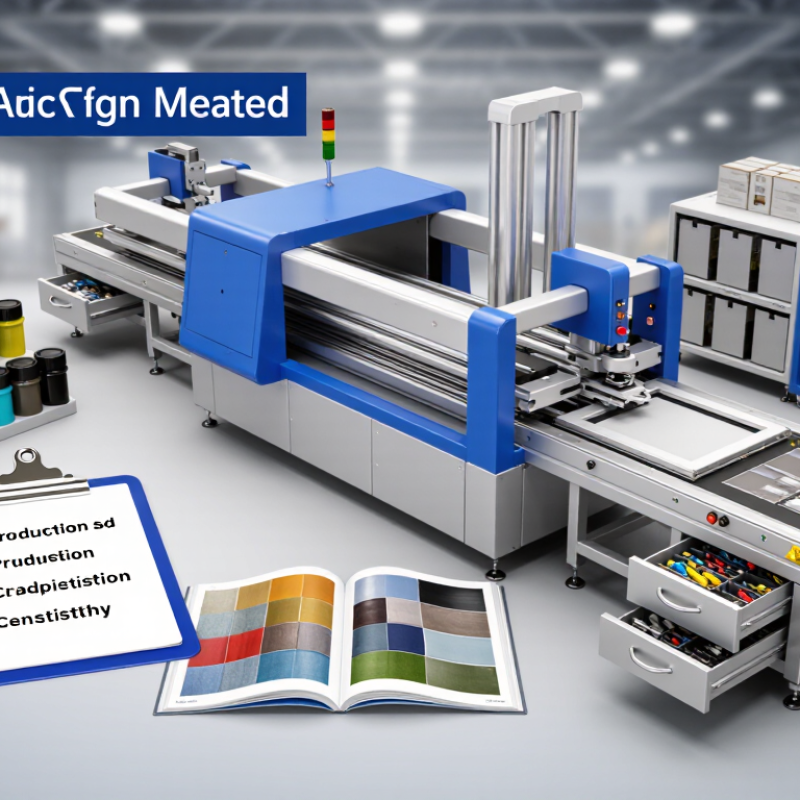
What Screen Printing Machines Do and How They Are Used
Screen printing machines transfer ink through a mesh screen, while a stencil blocks areas that should remain unprinted. A squeegee moves ink across the mesh and onto the material below. The result is a bold, tactile layer of color. Useful detail: the screen, ink, pressure, and drying method all affect the final print.
Manual presses suit short runs and hands-on work. Semi-automatic and automatic machines help shops repeat prints faster across larger batches. Flatbed systems commonly handle garments, signs, and paper; specialized setups print on rigid objects or curved surfaces. Grand View Research’s 2024 Screen Printing Market analysis estimated the global market at US$3.7 billion in 2023, reflecting demand across applications such as textiles, signage, and electronics. That figure describes the market, not machine sales alone. For reliable results, operators test ink on the actual substrate, check screen alignment, and allow proper curing. A small shift can blur an edge. Settings are a starting point, not a promise.
