Top H Beam Manufacturers for Global Buyers
Global construction is creating sustained demand for dependable structural steel, especially H-beams used in warehouses, bridges, factories, and high-rise frames. The World Steel Association’s October 2024 Short Range Outlook projected global finished-steel demand at approximately 1.75 billion tonnes in 2024, followed by renewed growth in 2025. This market remains large, but purchasing decisions are becoming more exacting.
The OECD Steel Outlook 2024 also highlights pressure from overcapacity, decarbonization costs, and changing regional demand. These factors affect lead times, pricing, certifications, and mill reliability. Buyers should examine more than catalog dimensions. They should verify yield strength, flange tolerance, welding performance, coating quality, testing records, and export experience. A cheaper beam can become expensive when delivery slips or inspection documents are incomplete.
Edwin Basson, Director General of the World Steel Association, has stated, “Steel is essential to modern life.” That observation matters here. H Beam Manufacturers support the physical systems behind transport, energy, logistics, and industrial growth. Yet no supplier is perfect. Even established producers may face capacity limits, inconsistent communication, or changing raw-material costs. This guide compares leading H Beam Manufacturers through measurable criteria, including production capability, quality assurance, international certifications, customization, and buyer support. It also encourages a practical question: can the manufacturer perform reliably when project schedules become uncomfortable? That answer often matters more than a polished website or an attractive first quotation.
What Is an H Beam and Why Is It Used?
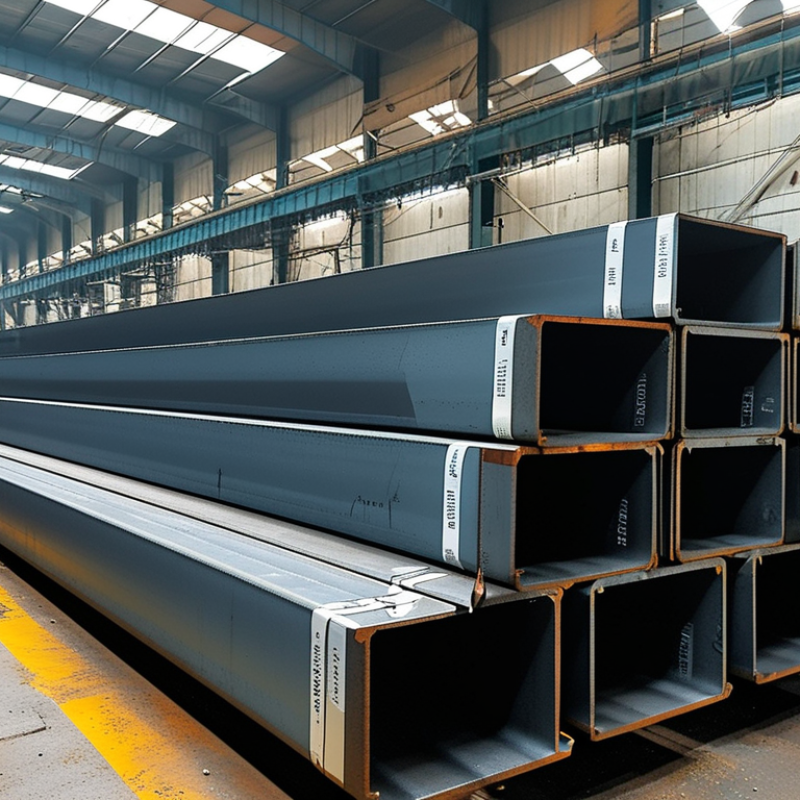
An H beam is a structural steel section with two broad flanges joined by a vertical web. Its cross-section resembles the letter “H” when viewed from the end. The flanges resist bending, while the web carries much of the vertical shear. This shape distributes steel efficiently, creating strong support without excessive weight. Common uses include building frames, warehouse columns, bridges, platforms, and industrial equipment supports.
H beams are used because they provide reliable strength across long spans. A properly selected section can reduce deflection and limit unnecessary material consumption. On a construction site, workers may handle beams several meters long, so dimensional accuracy matters. Uneven flanges or excessive twisting can complicate connections and delay installation. Buyers should check section size, steel grade, straightness, surface condition, and mill certificates before shipment.
Global projects also require attention to design codes, welding performance, and corrosion protection. A beam suitable for an indoor factory may need painting or galvanizing near humid coastlines. In practice, specifications are not always perfectly clear. Small differences between regional standards can cause costly misunderstandings. I would confirm tolerances and testing requirements in writing before placing an order. Engineers must still verify load calculations, connection details, fire protection, and local compliance for every application.
Key Standards for Evaluating H Beam Manufacturers
Evaluating H beam manufacturers begins with standards, not glossy catalogs. Buyers should confirm compliance with ASTM A6/A6M, EN 10025-2, or the specified national equivalent. These standards define dimensions, tolerances, chemical limits, and mechanical performance. A serious supplier should provide heat numbers, mill test certificates, and production dates for every shipment. Traceability matters.
The World Steel Association reported global crude steel production of about 1.89 billion tonnes in 2023. Such scale makes supplier consistency more important, because a small tolerance issue can affect thousands of fabricated components.
Request independent inspection records for flange thickness, web straightness, yield strength, and impact performance. ISO 9001 certification supports process control, but certification alone proves little without recent audit findings and corrective-action records. Numbers need context.
Experienced buyers should inspect sampling methods, calibration logs, welding controls, and packaging procedures. Ask how beams are protected from rain, salt air, and forklift damage during storage. A reputable manufacturer can explain nonconformance handling without evasive language. No certificate is perfect. I would still verify one heat number against the physical marking and packing list. Environmental data also deserves attention; the World Steel Association notes that steel production remains a major industrial emissions source, so credible suppliers should disclose energy and emissions information where available. Some evaluations remain incomplete when production audits are remote. That weakness should be recorded, not hidden.
Leading H Beam Manufacturers for Global Buyers
Leading H Beam Manufacturers for Global Buyers
Leading H beam manufacturers serve demanding projects, from warehouse frames to long-span bridges. Their advantage is not production volume alone. Consistent dimensions, traceable steel chemistry, and reliable delivery matter more. The World Steel Association reported global crude steel production of about 1.89 billion tonnes in 2023. This scale shows why buyers need disciplined supplier evaluation.
A capable manufacturer should provide mill test certificates, heat numbers, and clear dimensional tolerances. Buyers should compare compliance with standards such as ASTM A6, EN 10365, or JIS G3192. Welding performance deserves attention too. Carbon equivalent values can affect fabrication costs and site safety. In my purchasing experience, small flange variations often create large installation problems. They are easy to miss.
Quality systems should include ultrasonic testing, calibration records, and independent inspection options. The ISO Survey 2023 recorded more than 1.26 million ISO 9001 certificates worldwide, reflecting the broad use of formal quality management. Certification helps, but it does not replace factory audits or sample testing. No ranking is flawless. A supplier with excellent steel may still struggle with port congestion, packaging, or after-sales communication. Global buyers should request production schedules, loading photographs, and realistic lead times before signing contracts. Comparing three recent projects can reveal more than polished marketing language.
Top H Beam Manufacturers for Global Buyers – Leading H Beam Manufacturers for Global Buyers
Reference comparison of standard HEB sections commonly specified by international steel buyers.
The chart compares nominal mass per metre for selected HEB sections. Larger sections generally provide greater structural capacity but also increase shipping weight, handling requirements, and project cost. Values are reference figures associated with EN 10365 steel sections; buyers should confirm final dimensions, tolerances, grade, and mill certification with the selected supplier.
How to Compare Quality, Capacity, and Certifications
When comparing top H beam manufacturers, buyers should examine quality, capacity, and certifications together. A polished website proves little. Request recent mill test certificates, dimensional reports, and heat-number traceability for every shipment. Check flange width, web thickness, straightness, and surface condition against the required standard. Small gaps matter.
Applicable standards may include ASTM, EN, or JIS specifications, depending on the project location. Confirm the exact steel grade, impact requirements, and inspection method before signing a purchase order. ISO 9001 supports process control, but it does not replace product testing. Independent inspection can verify ultrasonic testing, chemical composition, and loading records. Documents matter.
Capacity is not availability. Ask about rolling ranges, monthly output, current production schedules, and realistic lead times. A factory may produce large volumes yet lack the beam size you need. Visit the plant when possible, or request dated production photos and a live quality meeting. I have seen buyers focus on price and overlook packaging. Moisture, poor stacking, and unclear markings can cause costly delays at the port. That mistake is easy to make. Compare at least three written quotations, including tolerances, certification costs, delivery terms, and replacement procedures. A reliable manufacturer answers technical questions clearly and admits limitations. Overconfidence deserves a closer inspection.
What International Buyers Should Check Before Ordering
Choosing among top H beam manufacturers requires more than comparing quoted prices. International buyers should verify section dimensions, steel grade, production tolerance, and delivery records. The World Steel Association reported approximately 1.89 billion tonnes of crude steel production in 2023. This scale creates opportunities, but also makes supplier screening essential.
Request mill test certificates for every heat number. Check chemical composition, yield strength, tensile strength, and impact performance against the agreed standard. Common references include EN 10025, ASTM A6, and JIS G3192. Do not accept a certificate without traceable batch identification. A third-party inspection should verify flange thickness, web alignment, straightness, surface defects, and marking before shipment. Small deviations can create serious fitting problems on site.
Review the manufacturer’s quality system and calibration records. ISO 9001 certification helps, but it does not replace product inspection. Ask for recent project references, loading photographs, packing details, and realistic lead times. The OECD Steel Outlook 2024 highlights continuing global capacity expansion, so low prices may reflect excess supply rather than superior efficiency. Be careful.
Freight terms also deserve close attention. Confirm port, insurance responsibility, bundle weight, corrosion protection, and document requirements. A cheaper offer can become expensive after rework, demurrage, or rejected cargo. Buyers should also check whether the supplier can maintain consistent dimensions across repeat orders. That point is often overlooked.