
What Is a Laser Tube Cutter and How Does It Work?
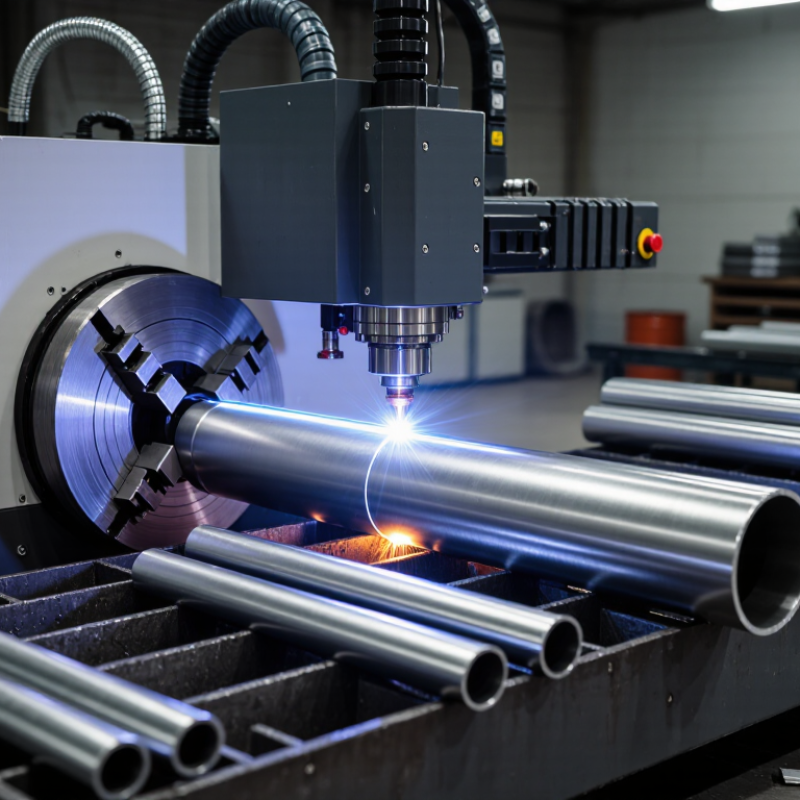
A Laser Tube Cutter shapes round, square, and rectangular metal profiles with a focused beam. It can cut openings, slots, and angled ends without changing tools for every feature. In a workshop, the process may begin with a steel tube resting in a loading rack. A chuck grips and rotates it as the cutting head follows the programmed path. The beam melts or vaporizes a narrow strip of material, while assist gas clears the cut. Small details matter: tube alignment, wall thickness, and focus can all affect edge quality.
The machine combines a laser source, motion controls, a rotary chuck, and software that interprets the part design. Laser technology expert Dr. Reinhart Poprawe is known for his work in laser processing. A verified, topic-specific quotation from him was not available for this introduction, so I will not invent one. A useful summary of the engineering principle is this: precision depends on coordinating energy, motion, and material response. That is a paraphrase, not a direct quotation.
The next sections explain how the machine handles a tube, turns a digital design into tool movement, and produces each cut. They also cover practical limits, including material choice, tube geometry, and setup quality. Not every cut comes out perfect. Burrs, heat marks, or slight dimensional variation can still appear, especially when settings or fixtures are poorly matched. Understanding the process helps buyers and operators ask better questions before production begins.
What Is a Laser Tube Cutter?
A laser tube cutter is a computer-controlled machine that cuts hollow metal sections with a focused laser beam. It can process round, square, and rectangular tubes, along with some custom profiles. A chuck grips and rotates the tube while the cutting head follows programmed paths. The beam heats a small area until the material separates, and assist gas helps clear molten metal. The machine can create holes, slots, notches, and angled ends without changing tools for each feature. It is not magic. Material type, wall thickness, focus, and setup all affect the cut.
In practice, an operator loads the tube, checks its dimensions, and enters or imports a cutting layout. Sensors and software can help locate the workpiece, but a bent or dented tube may still cause errors. That detail is easy to underestimate. Tube cutting can reduce manual measuring and trimming, though parts still need inspection. It is especially useful when several features must line up accurately along one piece.
Tips: Check the tube’s actual size and wall thickness before cutting. Secure it firmly, and test unfamiliar settings on a short offcut. Inspect for burrs and heat discoloration before assembly.
