
What Is a JS Concrete Mixer and How to Choose One?
Choosing a JS concrete mixer begins with understanding the work, not chasing the largest machine. A twin-shaft mixer can produce fast, consistent blends for concrete plants, infrastructure projects, and demanding construction sites. Its performance depends on batch size, material moisture, mixing time, and maintenance access. The right choice should fit your daily production, not an imagined maximum.
Michael Turner, a senior equipment consultant working with Js Concrete Mixer Manufacturers, explains, “A reliable mixer is chosen by matching its mixing duty to real site conditions, not by capacity alone.” His point deserves attention. A 3.0-cubic-meter model may look impressive, yet it could waste energy on smaller batches. Conversely, an undersized mixer may overheat during continuous production. Small details matter.
Look closely at the mixing arms, wear plates, discharge gate, and drive system. Ask how quickly these parts can be inspected and replaced. Check whether the manufacturer provides technical drawings, operator training, and responsive after-sales support. A mixer standing idle beside a half-finished foundation is an expensive reminder of poor planning.
There is no perfect machine.
Buyers should compare mixing uniformity, cycle time, power demand, and local service capability. Concrete recipes also vary, especially when recycled aggregates or dry materials enter the process. I have seen specifications appear convincing on paper, then feel less practical beside dust, noise, and limited workspace. This guide examines what a JS concrete mixer is and how to select one with clearer judgment.
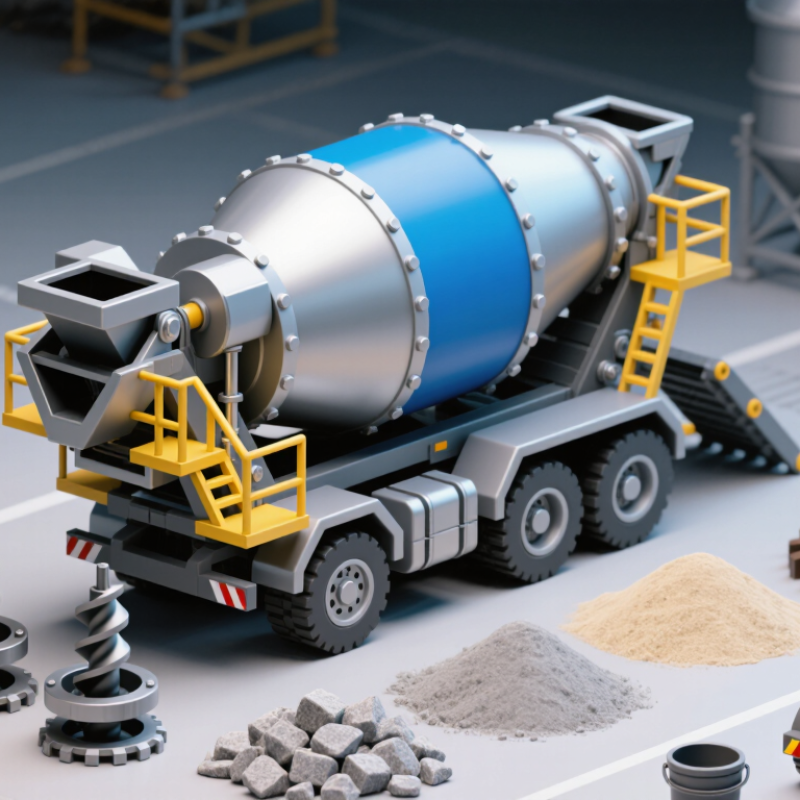
JS Mixer Basics: Twin-Shaft Forced Mixing and 500–3,000 L Batches
What is a JS concrete mixer? It is a twin-shaft forced mixer designed to combine cement, aggregates, water, and admixtures quickly. Two counter-rotating shafts create overlapping mixing zones. This action reduces dead spots and improves coating around coarse aggregate. The Global Cement and Concrete Association reports that about 14 billion cubic metres of concrete are produced worldwide each year. That scale explains why consistent mixing matters, even on smaller sites.
Capacity selection should begin with the required batch, not the largest advertised number. A 500–3,000 litre range may refer to discharge volume or drum geometry, so confirm the manufacturer’s definition. For a 1,500-litre batch, calculate aggregate moisture, loading time, mixing time, and discharge time. ACI 304R-00 recommends controlling batching and mixing procedures to maintain uniform concrete quality. Check motor torque, shaft speed, liner thickness, access doors, and replacement-part availability. Wet, sharp aggregate can wear liners faster than expected.
Do not oversize blindly. A partly filled mixer may mix poorly, while an overloaded chamber can increase power demand and leave dry pockets. I have seen specifications look convincing until actual moisture variation changed the workable batch size. That is an uncomfortable detail. Ask for test results using your aggregate grading, slump target, and admixture dosage. ASTM C94/C94M also emphasizes consistent production and delivery requirements. A short factory trial can reveal more than a polished brochure.
