Why is an Elevator Lift Essential for Modern Buildings?
In the landscape of modern architecture, the Elevator Lift stands out as a crucial component. It provides seamless access within high-rise buildings, ensuring convenience for all occupants. Imagine entering a sleek, multi-story office complex. The Elevator Lift whisks you between floors, transcending physical barriers.
Yet, accessibility goes beyond mere functionality. For individuals with mobility challenges, it can mean the difference between participation and exclusion. Buildings without these lifts may inadvertently isolate some occupants. Elevators foster inclusivity, enabling everyone to move freely.
However, even contemporary designs sometimes overlook this necessity. Some architects underestimate the importance of the Elevator Lift in their plans. A lift system isn’t just about luxury; it’s about essential functionality. As we embrace urban density, evaluating our approach to Elevator Lifts is vital. Building for the future means prioritizing accessibility and thoughtful design.
Significance of Elevators in Increasing Building Accessibility
Elevators play a crucial role in modern buildings. They significantly enhance accessibility for everyone. According to the American Society of Civil Engineers, nearly 20% of people in the U.S. live with disabilities. Easy access is essential for them. Elevators eliminate barriers that stairs create, especially in high-rise buildings.
A recent study shows that buildings with elevators can increase property value by 10-20%. This is a considerable incentive for developers. However, not all buildings incorporate elevators, which is a reflection of insufficient planning or budget constraints. More attention should be focused on ensuring every building offers this essential feature.
It’s worth noting that even properly designed elevators can sometimes fail to meet the needs of all users. For example, many still lack audio guidance for visually impaired individuals. This oversight needs to be addressed. Creating more inclusive environments requires ongoing improvements in elevator technology and design. Elevators are not just a convenience; they are a necessity for true accessibility in our urban infrastructure.
Impact of Elevators on Design and Space Utilization in Architecture
Elevators play a critical role in modern architecture. They transform how we think about space utilization. Without them, taller buildings would struggle to balance accessibility and design. A report by the International Building Code suggests that elevators are essential for buildings over three stories. This requirement is crucial for safety and usability.
Designers must consider elevator placement carefully. Poorly located elevators can disrupt the flow of the space. Statistical data shows that buildings with well-integrated elevator systems enjoy higher occupancy rates. Accessible design benefits not only the elderly but everyone.
Tip: Always plan elevator access early in the design stage. This foresight can save time and resources later.
While elevators maximize efficiency, they also pose unique challenges. For example, the cost of installation and maintenance can be significant. Teams must balance aesthetics with functionality. Ignoring these factors can lead to unsatisfactory building performance.
Consider this: how can we innovate elevator designs to fit smaller spaces? Climbing technology and modular systems could provide breakthroughs. The future of building design lies in addressing these concerns.
Safety Features and Modern Elevator Technology Enhancements
Elevators are vital for modern buildings. They connect floors, save time, and enhance accessibility. However, safety is what stands out most. Recent technological advancements improve this aspect significantly.
Modern elevators often feature advanced braking systems. These systems reduce the risk of free falls. They also come equipped with emergency alarms. Passengers can alert authorities if they feel unsafe. Some elevators include surveillance cameras. These cameras enhance security and deter inappropriate behavior.
Another key enhancement is user interface technology. Touchless controls allow for a hygiene-friendly experience. As people grow more health-conscious, this feature becomes crucial. Additionally, voice commands streamline the ride for those with physical limitations. However, not all buildings have adopted these technologies yet. Some struggle with outdated systems. This gap highlights the need for continuous improvement in elevator technology.
Elevators' Role in Building Efficiency and Energy Management
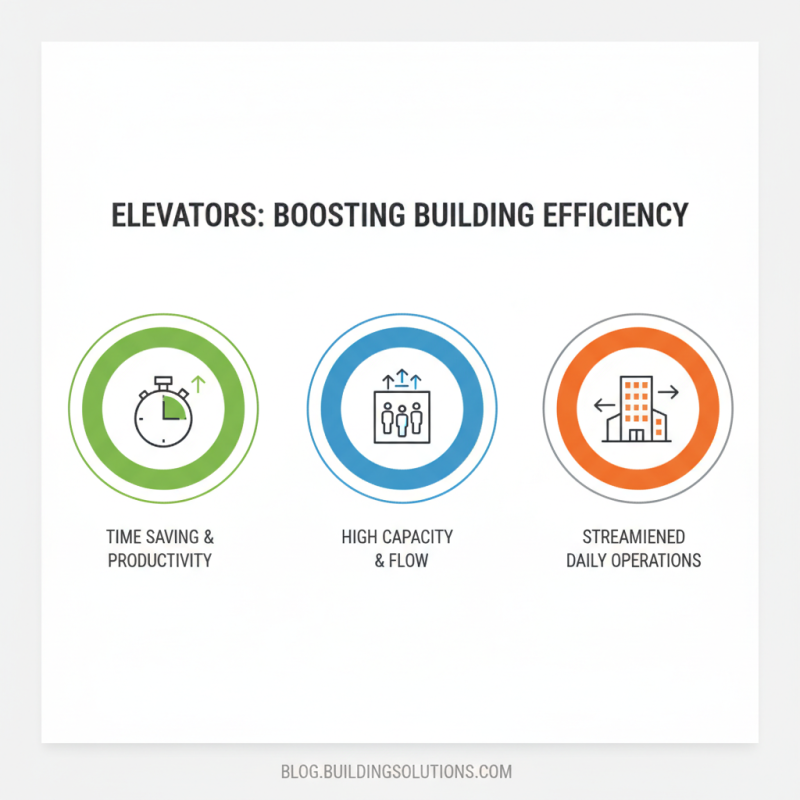
Elevators play a crucial role in modern buildings, significantly enhancing building efficiency. They reduce the time taken to move between floors, improving productivity. An elevator can transport many people simultaneously, which is essential in high-rise buildings. This feature streamlines daily operations and minimizes congestion.
Elevators also contribute to energy management. Modern systems use energy-efficient designs and technologies. Regenerative drives reclaim energy during descent, reducing overall power consumption. Smart elevator systems optimize travel paths, cutting down wait times. These innovations can lead to lower utility bills and a smaller carbon footprint.
**Tips:** Consider regular maintenance for your elevator system. This not only extends operational life but also enhances energy efficiency. Always opt for newer technologies when upgrading. Look for features that promise reduced energy usage and improved performance. Assess your building’s specific needs before making decisions. Think about how the presence of elevators affects user experience.
Compliance with Accessibility Regulations in Modern Construction
Elevator lifts are not just a convenience; they are a necessity in modern buildings. Accessibility regulations are essential in construction today. According to the Americans with Disabilities Act (ADA), all public buildings must be accessible to individuals with disabilities. This includes installing elevators in multi-story structures. Failure to comply can lead to legal consequences and exclusion of a significant portion of the population.
Accessibility goes beyond mere compliance. It fosters inclusivity and equality. According to a report from the World Health Organization, over one billion people live with some form of disability. By ensuring that buildings are equipped with elevators, we can provide equal opportunities for everyone. It enhances the building's functionality and clearly meets ethical standards.
Tips: When designing a building, think about universal access. Elevators should fit in diverse spaces and serve all users efficiently. Regular maintenance is also crucial to ensure they are always operational. Reflecting on accessibility can lead to innovative designs that inspire. Each project should strive for more than just following regulations. It can champion change in societal perspectives towards disability and inclusivity.
Why is an Elevator Lift Essential for Modern Buildings? - Compliance with Accessibility Regulations in Modern Construction
| Dimension |
Value |
Importance |
| Accessibility Features |
Wheelchair Access |
Ensures all individuals can navigate the building. |
| Regulations Compliance |
ADA Standards |
Meet legal requirements for access. |
| Building Value |
Increased Property Value |
Attracts a wider range of tenants and buyers. |
| User Experience |
Convenience |
Enhances movement within multi-story buildings. |
| Safety Regulations |
Emergency Access |
Critical for evacuation and emergencies. |