What is a Hydraulic Proportional Valve and How Does It Work?
In the dynamic world of hydraulic systems, the Hydraulic Proportional Valve plays a crucial role. According to Dr. Emily Carter, a leading expert in fluid dynamics, “The Hydraulic Proportional Valve is the heartbeat of efficient hydraulic control.” This statement emphasizes its significance in various applications, from industrial machinery to aerospace technologies.
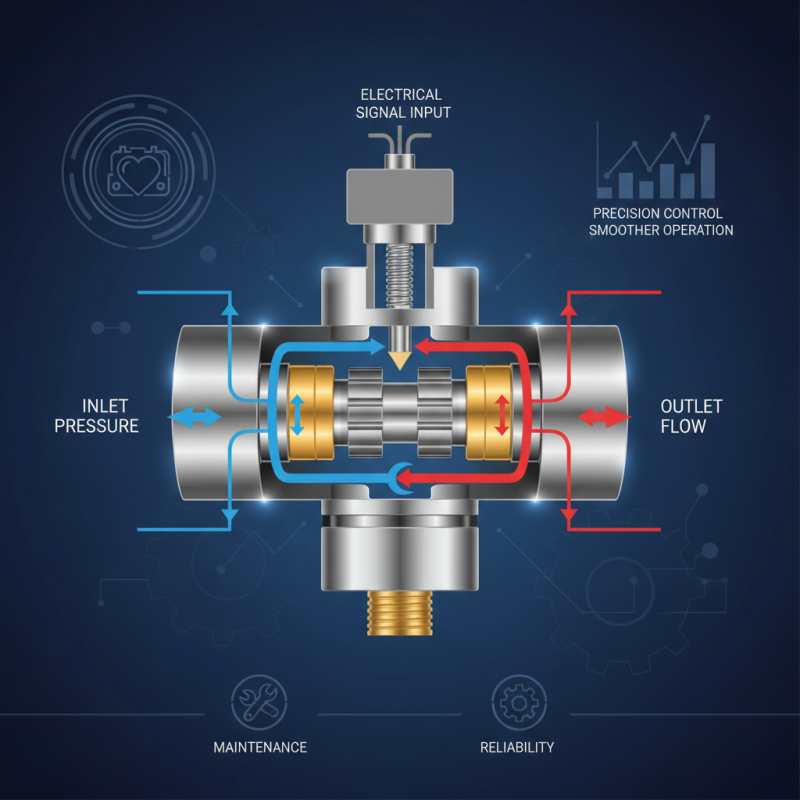
Understanding how the Hydraulic Proportional Valve operates unveils its complexity. It regulates the flow and pressure of hydraulic fluids with precision. By adjusting the opening of the valve based on electrical signals, it ensures optimal performance in machinery. This adaptability allows for smoother operations, but achieving the ideal balance can be challenging.
The evolution of the Hydraulic Proportional Valve has brought advancements, yet there are still imperfections to address. Engineers often face issues related to responsiveness and reliability. Regular maintenance is essential, as wear and tear can impact effectiveness. Hence, exploring the nuances of this technology is vital for future improvements and innovations.
What is a Hydraulic Proportional Valve?
A hydraulic proportional valve is a critical component in hydraulic systems. It controls fluid flow and pressure with precision. Instead of simply opening or closing, these valves modulate flow based on input signals. This allows for smoother operation of machinery.
These valves adjust the flow rate in response to electrical signals. They receive commands from controllers, translating them into specific fluid movements. As a result, this leads to better control of speed and force in hydraulic applications. Imagine heavy equipment operating smoothly without jerky movements.
However, implementing hydraulic proportional valves is not without its challenges. Calibration may require fine-tuning. Moreover, not all systems can utilize them efficiently. Sometimes, operators overlook maintenance, leading to inconsistent performance. It’s crucial to regularly check these components to ensure optimal operation.
Key Components of Hydraulic Proportional Valves
Hydraulic proportional valves are essential components in fluid control systems. They regulate fluid flow and pressure using an electric signal. The key to their function lies in their components. Let's explore these critical parts.
The spool is a vital element that opens and closes passages within the valve. Designed with precision, it allows for various flow rates. Its movement is controlled electronically, responding to varying signals. Additionally, the pilot stage is crucial. It enhances the control of the spool, ensuring that even small changes in input yield noticeable changes in output.
Another key component is the feedback mechanism. This device monitors the valve's position and adjusts the input signal as needed. It ensures accuracy in operation. Without it, the system could become inefficient. Each part plays a role in the overall function. While the design is sophisticated, imperfections can occur. Testing and adjustment often reveal areas for improvement. Fluid dynamics is complex, and understanding these components helps identify potential issues.
Hydraulic Proportional Valve Characteristics
This chart represents the key characteristics of hydraulic proportional valves, including flow rate, pressure, temperature, and voltage. These parameters are crucial for understanding the performance and operation of hydraulic systems.
How Hydraulic Proportional Valves Function Mechanically
Hydraulic proportional valves are essential components in fluid power systems. They manage the flow and pressure of hydraulic fluids with precision. The key to their functionality lies in their mechanical design. A typical hydraulic proportional valve uses a spool that moves in response to an electrical signal. This spool controls fluid passage, allowing for variable flow rates.
These valves are often made of high-quality materials to withstand pressure. They can handle up to 3000 psi, making them suitable for demanding applications. The response time of a hydraulic proportional valve can be as low as 10 milliseconds. This quick reaction is vital for operations like robotic arms and aircraft control systems.
However, there are challenges. Regular maintenance is crucial, as dirt and other contaminants can impair performance. Issues arise when the valve is overworked or improperly calibrated. This can lead to inefficient operations and increased wear. Understanding these mechanical functions helps users better appreciate the complexities of hydraulic systems. In fact, about 30% of system failures can be traced back to valve issues, showcasing the need for careful monitoring and proactive maintenance.
Applications of Hydraulic Proportional Valves in Industry
Hydraulic proportional valves play a significant role in various industrial applications. They control the flow and pressure of hydraulic fluids. This versatility allows them to be utilized in construction, manufacturing, and even automotive sectors. For example, in construction machinery, these valves help operate cranes and excavators with greater precision.
In the manufacturing sector, hydraulic proportional valves are crucial in automated systems. They ensure that components move smoothly and accurately. This enhances productivity and quality. However, a common issue is calibration. If not set correctly, these valves can lead to inefficiencies. Operators must regularly check and adjust them to maintain optimal performance.
Automotive applications also benefit from hydraulic proportional valves. They enable features like power steering and brake systems to work effectively. Yet, the complexity of these systems can sometimes create challenges. Understanding the precise functioning of the valves is essential for troubleshooting. Improving training for technicians could help minimize these challenges and enhance overall operation.
What is a Hydraulic Proportional Valve and How Does It Work? - Applications of Hydraulic Proportional Valves in Industry
| Application | Description | Advantages | Common Uses |
| Machine Tools | Used for precise control of hydraulic movements in machining processes. | High precision and repeatability. | Lathes, milling machines, grinders. |
| Automotive Industry | Regulates hydraulic systems for better performance and efficiency. | Improves fuel efficiency and lowering emissions. | Braking systems, suspension adjustments. |
| Aerospace | Controls hydraulic systems in aircraft for various functions. | Increases reliability and safety in flight operations. | Landing gear, flight control systems. |
| Construction Equipment | Used for controlling various hydraulic actions in heavy machinery. | Enhances operational efficiency and productivity. | Excavators, loaders, cranes. |
| Robotics | Provides smooth and precise movement control. | Increases agility and flexibility of robotic arms. | Manufacturing, assembly lines, exploration robots. |
Advantages of Using Hydraulic Proportional Valves in Systems
Hydraulic proportional valves are essential in controlling fluid flow. They offer precise control over pressure and flow rate. Using these valves can greatly enhance system efficiency. They adjust the flow based on electrical signals. This responsiveness has many advantages in industrial applications.
One significant benefit is improved precision. These valves allow for finer adjustments than traditional valves. Operators can achieve desired results with fewer errors. Consequently, there is reduced waste of resources. Moreover, systems with proportional valves tend to be more reliable. Failure rates are often lower than in systems using conventional valves.
However, there are challenges as well. The complexity of proportional valves can complicate maintenance. Not all systems may require such advanced technology. In some cases, simpler solutions may suffice. Operators must weigh these factors carefully. The right choice can lead to cost savings and better performance. Yet, improper implementation may negate those advantages. Each system needs careful evaluation before selecting the right components.