
How to Drink Water Properly Every Day?
How to Drink Water Properly Every Day? begins with a simple question: are you drinking because your body needs water, or because a schedule tells you to? For most healthy adults, hydration depends on body size, climate, exercise, diet, and health status. A warm afternoon walk can increase fluid needs. A salty meal may leave your mouth dry. Your body gives useful signals, but people sometimes ignore them.
Hydration researcher Dr. Tamara Hew-Butler offers practical guidance: “Thirst is an excellent guide for most healthy people.” This idea challenges the belief that everyone must drink the same fixed amount daily. Drink Water regularly, but avoid treating hydration as a competition. Small amounts throughout the day may feel easier than forcing several glasses at once. Keep a bottle nearby. Take a few sips with meals. Check whether your urine is unusually dark, while remembering that food, supplements, and medication can change its color.
There is no perfect routine.
Even careful advice has limits. People who exercise intensely, work in heat, or have heart, kidney, or liver conditions may need individual guidance from a qualified healthcare professional. Drinking excessive water can also be unsafe. That detail deserves attention, because “more” does not always mean “better.” A realistic plan leaves room for missed glasses, busy mornings, and changing needs. The goal is not perfection. It is noticing your body earlier and building a dependable daily habit.
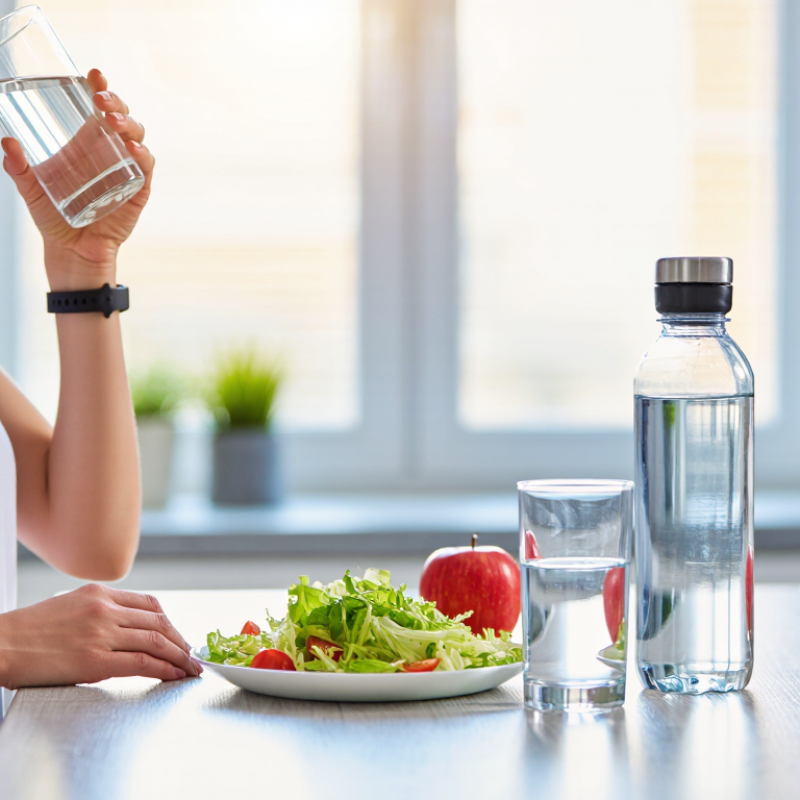
Understanding the Body’s Daily Water Needs
How to Drink Water Properly Every Day
Daily water needs are not identical for everyone. Body size, temperature, exercise, diet, pregnancy, and illness can change them. Water comes from drinks and moisture-rich foods, not beverages alone. Public health guidance often suggests using thirst as a practical guide. Still, thirst may arrive late during intense exercise or hot weather. Your kidneys also regulate water balance, but they cannot correct careless drinking instantly.
I keep a glass near my desk and drink with meals. Small, regular amounts feel easier than forcing a large bottle at night. Check your urine occasionally. Pale yellow usually suggests reasonable hydration, while very dark urine may signal a need for more fluids. Completely clear urine all day is not a goal. It can reflect excessive intake.
During a long walk, I drink more often and watch for dry lips, headache, or unusual fatigue. Water alone may not replace every electrolyte lost through heavy sweating, especially during prolonged activity. Medical conditions can change fluid advice, so individual guidance matters.
I used to chase a fixed daily number, but that habit was too rigid. Some days, I probably drink less than ideal. That small admission helps me notice patterns instead of pretending one target fits every body.
