
How to Choose Water Based Urethane in 2026?
Water Based Urethane offers lower odor, easy cleanup, and a clear finish. Yet no formula suits every project. In 2026, start with the surface: a busy oak floor, painted cabinet, and workshop bench face different wear and moisture demands. Check approved substrates, indoor-use guidance, recoat window, cure time, and coat count. Read the technical data sheet, not just the label. Small print matters.
Then compare performance with actual conditions. For flooring, review abrasion guidance and realistic return-to-service times. For furniture, consider clarity, sheen, and routine cleaning. Test a sample on matching wood or paint; grain, stain color, and tools can change the appearance. Ventilation, temperature, and humidity affect leveling and drying, so follow current manufacturer instructions. A quick-drying finish may still need days to cure fully. Easy to miss.
Price alone is a weak guide. Compare coverage per coat, preparation needs, and the cost of correcting a poor match. Claims help, but they cannot replace a sample test or careful preparation. There is no universal best choice. The right Water Based Urethane fits your substrate, traffic, appearance, and schedule. Even a careful choice can disappoint if the surface is damp, dusty, or coated too soon. Worth remembering.
Define the Project, Substrate, and Expected Conditions
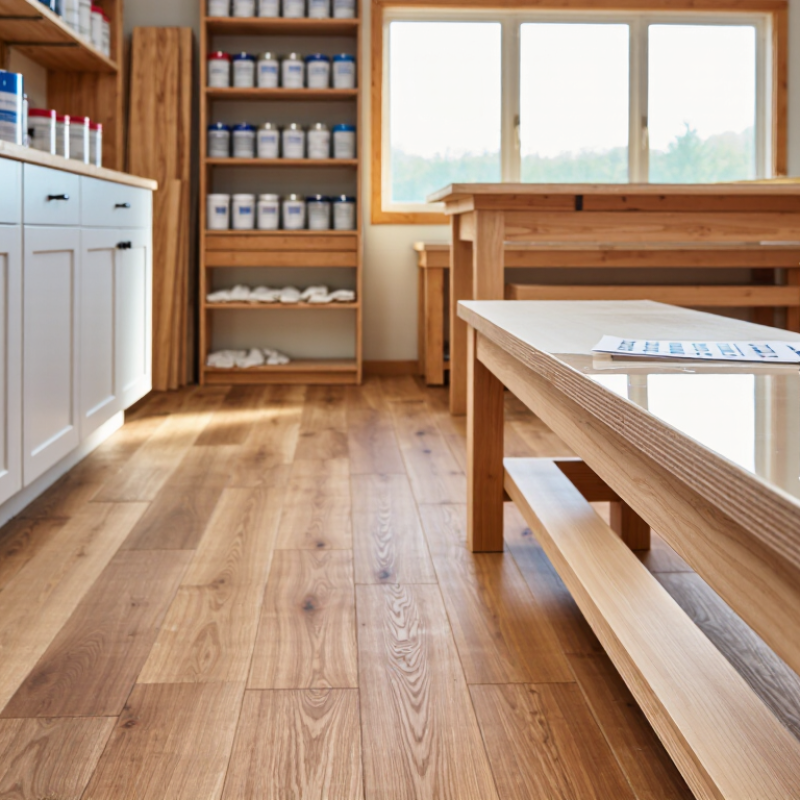
Choose water-based urethane by defining the project before comparing product claims. A quiet bedroom floor has different demands from a busy entry, where grit and wet shoes can wear the finish faster. Identify the substrate: bare hardwood, engineered flooring, concrete, or an existing coating. Each needs compatible preparation, and an old finish may require a small adhesion test. The USDA Forest Products Laboratory’s Wood Handbook explains that wood exchanges moisture with surrounding air and changes dimension as its moisture content shifts. That matters at board joints. A tiny test patch is easy to overlook, but it can reveal adhesion or appearance problems before the whole floor is coated.
Then describe the conditions during application and everyday use. Note room temperature, ventilation, sunlight, cleaning habits, and expected foot traffic; follow the product’s technical data sheet for application and curing limits. The U.S. EPA’s A Brief Guide to Mold, Moisture and Your Home recommends keeping indoor relative humidity below 60%, ideally between 30% and 50%. This is general moisture guidance, not a urethane application specification, so check the coating instructions separately. Think about seasonal swings, too. A sunny window or damp basement can make a seemingly stable room less predictable. It is tempting to choose the fastest-drying option, but that shortcut ignores substrate compatibility and cure conditions. Verify those details on site.
