
2026 How to Choose the Right Machine Safety Door
Choosing the right machine safety door begins with one question: what must it protect, and when must workers enter? A stamping press, robotic cell, and packaging line each create different hazards. The door must fit the machine’s layout, stopping time, access frequency, and cleaning needs. A barrier that blocks a hazard but slows every changeover may invite workarounds. That deserves honest attention.
The risk is not theoretical. OSHA’s FY2024 Top 10 list recorded 1,Slot machine-guarding citations? Wait typo must avoid. 1,541 machine-guarding citations, a reminder that guarding remains a practical workplace concern. OSHA’s machine-guarding standard, 29 CFR 1910.212, requires protection from hazards such as rotating parts and points of operation. For door selection, also assess applicable standards, including ISO 14120 for guards and ISO 14119 for interlocking devices. Check the current editions and confirm which requirements apply to your equipment.
Former OSHA Assistant Secretary Dr. David Michaels has emphasized controlling hazards at their source. A useful machine-safety principle follows: “Keep access controlled without making safe work harder.” This is a practical design reminder, not a verified verbatim quote from Michaels. Evaluate the opening size, frame strength, visibility, hinges, latch, and interlock response. Then test the door during real tasks, including tool changes and jam clearing. A small detail matters: a glove catching on a latch can change how people use the door. No single design fits every line. The right choice protects people and supports routine work, with risks reviewed rather than assumed away.
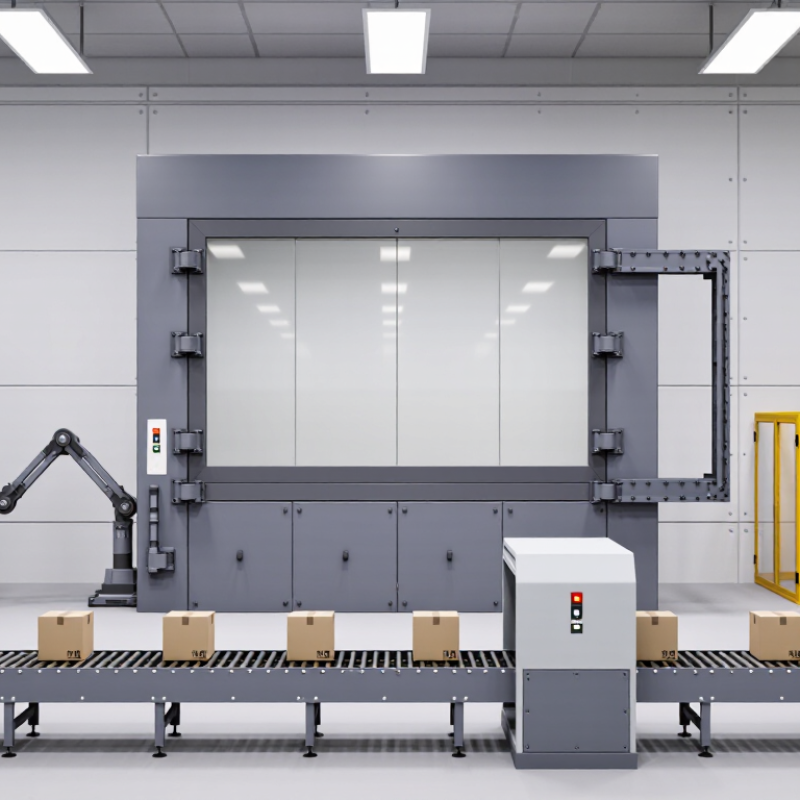
Define the Machine Hazards and Required Safety Level
A machine safety door should match the hazards behind it, not just the opening size. Identify moving parts, hot surfaces, sharp edges, and any material that could escape. Note how often operators enter, what tasks they perform, and how close they work to danger. A brief tool change differs from clearing a jam. Small details matter.
Tips: Observe the machine during real work. Record access points, stopping time, and who needs entry. Check whether the door must lock until hazardous motion stops.
Use a documented risk assessment to set the required safety level. A qualified machine-safety professional can help determine the appropriate performance target and protective measures.
If motion continues after a door opens, an interlock alone may not prevent access in time; guard locking may be needed. Verify the machine’s stopping time under realistic conditions, including worn brakes or changing loads.
A sturdy-looking door can still leave a reach-around gap. It is easy to underestimate unusual maintenance tasks, so review the design with the people who perform them. Recheck the safeguards after installation and whenever the process changes.
