
How to Choose the Best Tank Truck in 2026
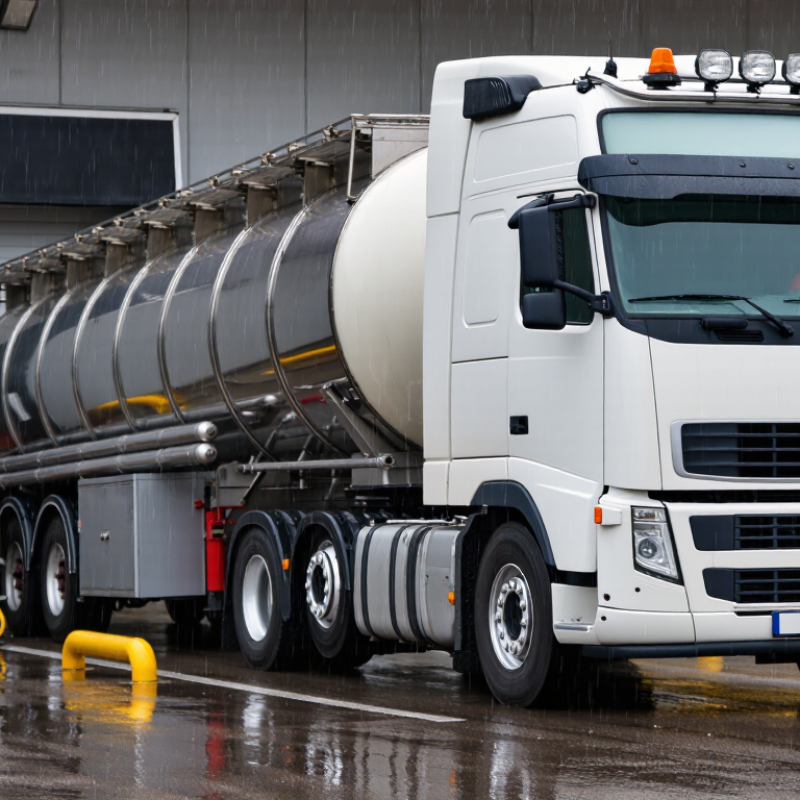
Choosing the best Tank Truck in 2026 starts with the work it must perform every day. A vehicle serving short regional routes may need different capacity, pumping equipment, and access features from one covering longer distances. The details matter. Picture a tank entering a tight loading area on a rainy morning: visibility, maneuverability, and dependable braking are practical needs, not brochure language.
Tank-truck engineer Martin Keller offers a useful principle: “The best tank is the one specified for the job, not the one with the longest options list.” Compare tank material and configuration with the intended product, operating conditions, and cleaning process. Then assess payload, chassis compatibility, safety features, maintenance access, fuel use, and the dealer’s service network. Ask manufacturers for clear documentation and have qualified professionals review technical fit and applicable requirements. Small omissions can become expensive routines.
A polished specification can still miss the daily reality. That is easy to do when purchase teams focus too heavily on upfront price. Consider driver feedback, repair history, expected annual mileage, and downtime costs alongside the quoted price. Check what is included in warranties, training, and after-sales support. Request references from fleets with similar operating needs, and compare proposals using the same criteria. This guide will help buyers weigh those trade-offs, identify questions worth asking, and build a shortlist with evidence behind it. No model is perfect. The strongest choice is the one that fits the actual duty cycle and can be supported throughout its working life.
Identify the Cargo, Route, and Operating Requirements
How to Choose the Best Tank Truck in 2026
Identify the Cargo, Route, and Operating Requirements
A suitable tank truck starts with the material it will carry. Check its density, temperature range, and viscosity, and determine whether it needs insulation or controlled heating. These factors affect tank capacity, lining, pump choice, and unloading time. Bigger is not always better. Extra capacity can increase vehicle weight and make small delivery sites harder to reach.
Map the actual route, not just the distance. Note steep grades, tight turns, low bridges, unpaved approaches, and seasonal weather. Compare these conditions with the truck’s axle configuration, ground clearance, braking system, and turning radius. A route that looks easy on a map may end at a cramped yard entrance. Ask drivers to flag those details; their observations can reveal what planning documents miss.
Daily operations matter, too. Estimate mileage, loading frequency, cleaning needs, downtime, and access to maintenance. Match pump flow and hose connections to the facilities you serve. Check that gauges are easy to read from safe working positions. Leave a realistic payload margin. I would not treat a spreadsheet estimate as final: real loading habits can differ, and a small mismatch may cost time every shift. Review specifications with qualified vehicle and tank professionals before purchasing.
