
How to Choose the Best Safety Padlock?
Choosing the right Safety Padlock is a practical decision that affects how clearly equipment can be isolated and identified. The best choice depends on the worksite, the people using the lock, and the conditions it must withstand. A padlock used beside a washdown area may need different materials from one kept in a dry electrical cabinet.
Look beyond the color. Compare the body material, shackle height and diameter, keying options, and resistance to moisture, dust, or chemicals. A nonconductive body may suit some electrical lockout applications, while a corrosion-resistant metal body may be more appropriate outdoors. Always check the manufacturer’s specifications and your workplace’s lockout procedures before selecting a model. Small details matter.
Consider how the lock will be used day to day. Can workers read its label while wearing gloves? Does the shackle fit the isolation point without forcing it? Will a keyed-different system help prevent one worker’s key from opening another person’s lock? Color coding can support quick identification, but it should not replace clear labels or established procedures.
There is no universal best choice. A lock that works well in one facility may be awkward or unsuitable in another, and that is easy to overlook when comparing products online. This guide explains the features worth checking, common selection mistakes, and practical questions to ask before purchase, so you can make a decision based on actual site needs rather than appearance alone.
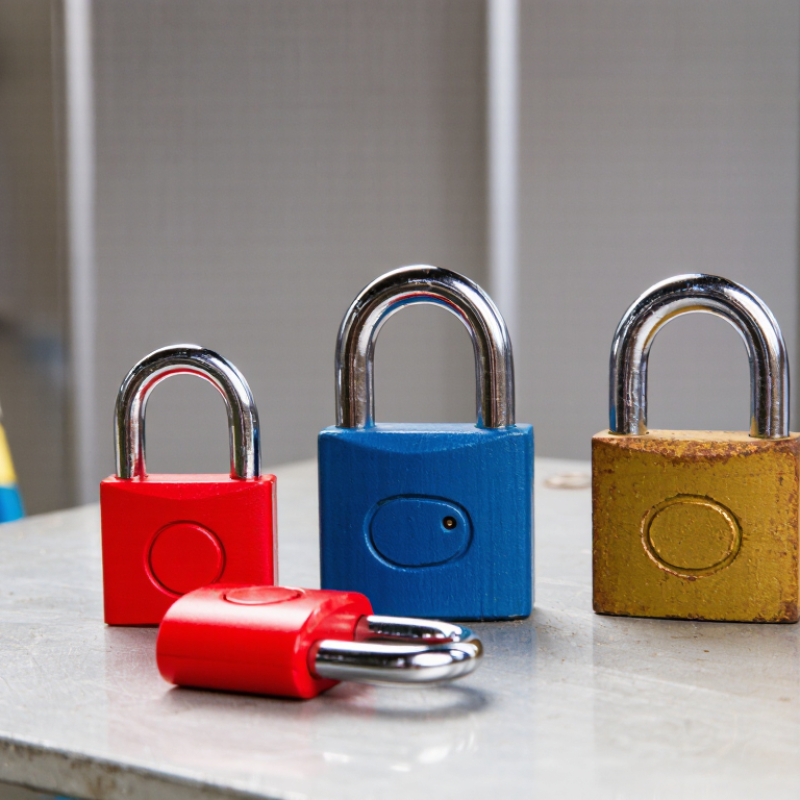
Identify the Lockout Application and Required Safety Level
A safety padlock should match the lockout task, not just look sturdy. Identify the energy source: electrical power, a valve, or moving equipment. Check the isolation point and confirm the lock physically fits. A long shackle may reach around a hasp, but extra length can leave room for tampering. Consider moisture, dust, heat, and repeated handling in the work area. Also decide whether one worker or a group needs to secure the equipment.
Tips: Walk the actual route to the isolation point. Check clearance, shackle size, key control, and whether each worker needs an individual lock. For group lockout, confirm the setup supports the site’s written procedure. A checklist helps, but it can miss an awkward valve or a cramped panel. Look twice.
Set the required safety level by assessing what could happen if isolation fails. Consider the severity of injury, the chance of unexpected restart, and how long the equipment will remain secured. Follow your facility’s procedures and relevant safety requirements. Choose a lock designed for safety lockout, with clear identification and controlled key access; ordinary security features alone do not establish suitability. If the application is uncertain, pause and ask a qualified safety professional to review the isolation plan. The right choice depends on the task. Sometimes the first choice needs revisiting.
