
How to Choose the Best Moto Cruiser in 2026?
Choosing the best Moto Cruiser in 2026 is less about chasing the biggest engine or the shiniest paint. It is about finding a motorcycle that fits your body, roads, and riding plans. Soichiro Honda, founder of Honda Motor Co. and a major figure in motorcycle engineering, is often credited with the words, “Success is 99 percent failure.” That reminder suits a careful buying process: compare, test, and learn from what does not feel right. A quote about persistence, not cruiser design—but still useful here.
Start with the ride itself. Can you reach the bars without locking your elbows? Do your feet rest comfortably on the floorboards at a stoplight? A low seat may look inviting, but a heavy bike can feel awkward when you push it backward across a sloped driveway. Details matter. Engine character, braking feel, suspension, heat, and wind protection can change a pleasant weekend ride into a tiring one. A short test ride may not reveal everything, either.
This guide will help you weigh those trade-offs, compare common cruiser styles, and assess ownership costs alongside specifications. It will also look at newer features without treating more technology as automatically better. Be honest about your needs. A beautiful machine can still be the wrong fit. That is easy to forget when the paint catches the afternoon light. We will focus on practical checks and informed comparisons, while recognizing that rider comfort is personal and dealer specifications should be verified before purchase.
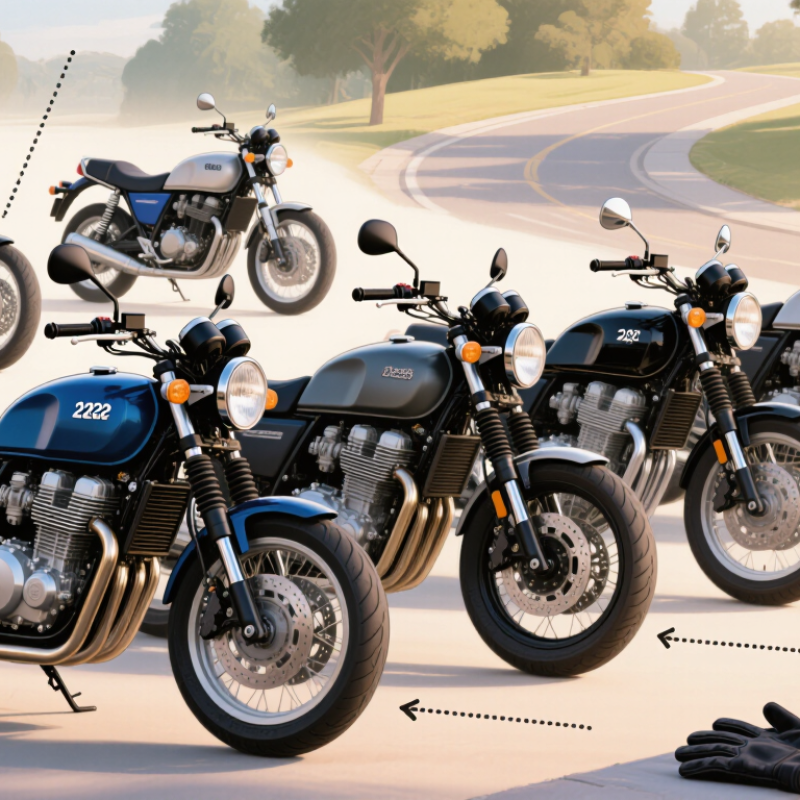
Understand the Main Types of Moto Cruisers
Cruisers are not one uniform class. A classic cruiser sits low, with forward-set footrests, a relaxed steering angle, and a broad saddle. Its steady, low-speed feel suits scenic rides, though the weight can make tight parking awkward. Lightweight cruisers use smaller engines and narrower frames. They are easier to push around, but may feel strained with a passenger or luggage. Try the riding position in person; a showroom seat can hide wrist or knee discomfort.
Bagger and touring cruisers add hard luggage, a windscreen, and often a passenger backrest. They make long days more comfortable, but extra mass matters in slow turns. Power cruisers emphasize stronger acceleration and firmer suspension. That can be engaging on open roads, yet less forgiving over broken pavement.
The Motorcycle Industry Council reported roughly 532,000 new motorcycle sales in the United States in 2023, across tracked categories; its figures do not isolate cruiser subtypes. The number signals a substantial market, not a reason to buy a larger bike.
Check seat height, curb weight, and passenger capacity against your actual routes. A full fuel tank changes the feel. So does a sloped driveway. For 2026, compare the specifications and test the controls before deciding.
