
How to Choose an Aluminum Drawing Machine?
Choosing an Aluminum Drawing Machine is a production decision, not a simple equipment purchase. The right model must match alloy grade, rod diameter, target wire size, reduction schedule, and daily output. It also affects surface quality, energy use, maintenance time, and operator safety.
Dr. A. K. Ghosh, a recognized researcher in aluminum manufacturing, offers a useful principle: “The best drawing process is the one that controls deformation while preserving material quality.” This idea should guide every comparison. A machine may advertise high speed, yet speed alone proves little. A unit drawing 9.5-millimeter rod into fine wire needs stable tension, accurate die alignment, reliable lubrication, and controlled cooling. Watch the details. A noisy gearbox, uneven capstan wear, or unstable payoff can create scratches within hours.
Experienced buyers should inspect the machine’s motor rating, drawing block design, die-box arrangement, control system, and spare-parts availability. Ask for verified production data using a similar aluminum alloy. Request sample wire, not only catalog figures. The machine should also support practical cleaning and quick die changes. Downtime is expensive.
There is no perfect specification sheet. I have seen purchasing teams focus on maximum speed and overlook maintenance access. That mistake can become costly. A lower-speed machine with stronger tension control may deliver better long-term value. Consider installation space, power quality, noise levels, and technician training before signing any contract. This guide explains how to compare these factors clearly, avoid attractive but incomplete claims, and select an Aluminum Drawing Machine that fits real factory conditions.
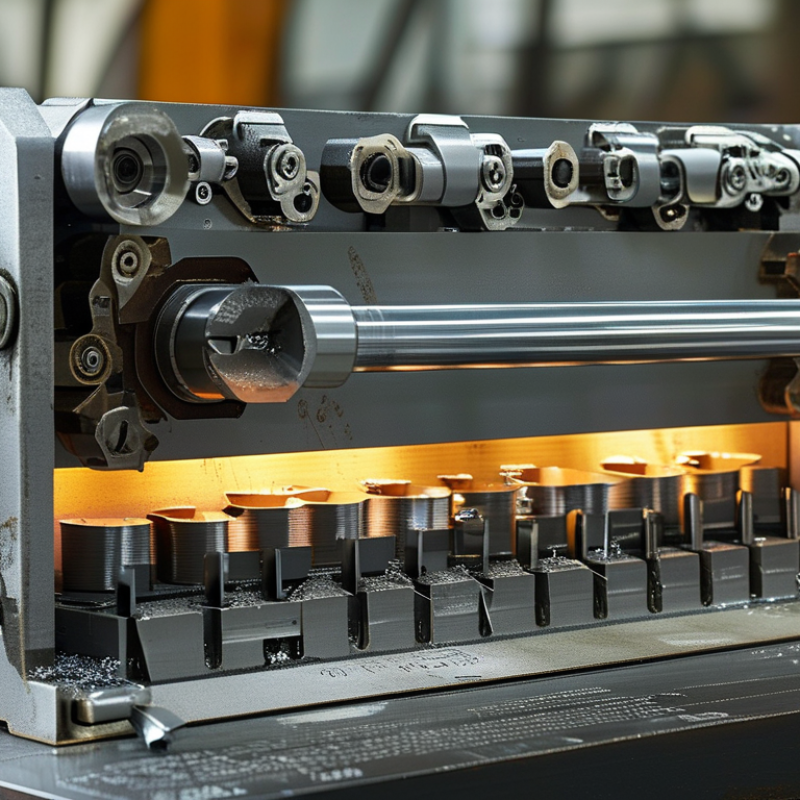
Define Product Requirements: Alloy, Diameter Range, and 8–20% Die Reduction
How to Choose an Aluminum Drawing Machine?
Define your product requirements before comparing machine specifications. Start with the aluminum alloy, because strength, ductility, and heat treatment affect drawing behavior. Softer alloys may tolerate higher reductions, while harder alloys often need gentler passes. Record the incoming diameter, finished diameter, acceptable ovality, and required surface quality. A workshop drawing 6 mm rod into 2 mm wire needs a different setup from one producing 20 mm profiles.
Plan each die reduction carefully. An 8–20% reduction per die is a practical starting range for many aluminum drawing applications. However, reduction usually refers to cross-sectional area, not diameter. Confirm this detail with the equipment supplier. Excessive reduction can create cracks, heat, or unstable tension. Too little reduction may increase the number of passes and production cost. In real production, the ideal setting may shift after testing. That is normal. Material batches are not always perfectly consistent.
Tips: Request a trial schedule using your actual alloy and diameter range. Check motor control, capstan alignment, lubrication access, cooling, and emergency stopping. Ask for measured wire samples, not only catalog claims. Keep a simple record of die wear, surface marks, and break frequency. These details reveal whether the machine fits your process. A small mistake in reduction planning can become a costly production habit.
