
How to Choose a Weld Ball Valve in 2026?
Choosing a Weld Ball Valve in 2026 is not just a matter of matching pipe size. The right choice depends on the fluid, pressure, temperature, operating frequency, and installation conditions. A valve that performs well on a clean-water line may struggle with abrasive media or frequent thermal cycling. Small details matter. Seat material, ball finish, weld-end dimensions, and actuator clearance can shape long-term reliability.
A practical rule for this guide comes from an illustrative valve specialist, Alex Morgan: “Choose for the real operating conditions, not the ideal ones on a datasheet.” This is an original editorial line, not a sourced quotation. It reflects a common selection challenge: buyers may know the nominal pressure but overlook temperature swings, flow direction, or maintenance access. Measure the pipe carefully. Check the stated material grades and pressure-temperature ratings against the actual service conditions. Confirm whether the valve is intended for full-bore flow, throttling, or isolation; these duties are not interchangeable.
This outline will examine body and trim materials, seat options, connection details, actuation, and quality documentation. It will also flag practical questions to ask suppliers, such as how weld ends are protected during installation and how the valve can be inspected afterward. No single specification fits every system. Verify critical details with the manufacturer and a qualified engineer before purchase. A careful check now can prevent an expensive mismatch later.
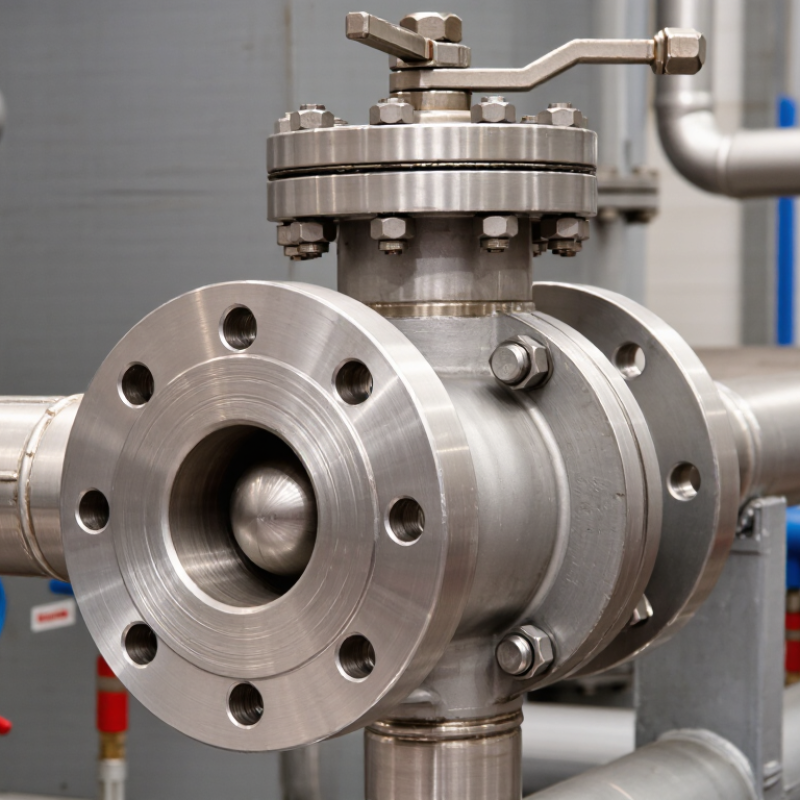
Record operating pressure, temperature, media, and flow requirements
How to Choose a Weld Ball Valve in 2026?
Record operating pressure, temperature, media, and flow requirements before comparing valve designs. Note normal conditions and the highest credible pressure and temperature during startup or cleaning. A valve’s rating must suit the actual operating range, not just the usual reading. Write it down. Small details matter.
Identify the media clearly, including concentration, solids, and any cleaning chemicals. Compatibility depends on the body, ball, stem, and seat materials together. A corrosive liquid or frequent temperature swings can change which material combination is appropriate. If the media varies by season or process stage, record each condition. Guessing can be costly.
Then define the required flow and pressure drop. A full-bore valve may reduce restriction, while a reduced-bore design can affect flow capacity. Check the valve’s flow data against the piping system and required operating rate. Also note whether the valve will be opened often, left in one position, or operated automatically. Welded connections can make later replacement more involved, so installation access deserves attention. A neat specification sheet helps, but it cannot capture every process change; review assumptions with the piping or process engineer before ordering.
