How to Choose a Sewer Jetter Machine in 2026?
Choosing a Sewer Jetter Machine in 2026 starts with the pipe, not the biggest pressure number. A small residential line and a long municipal main place very different demands on equipment. The wrong match can waste water, slow a job, or leave debris behind. Sometimes, more pressure is not the answer.
The U.S. Environmental Protection Agency’s 2022 Clean Watersheds Needs Survey estimated $630.1 billion in wastewater and stormwater infrastructure needs over 20 years. That figure is not a sewer-jetter sales forecast. It does show the scale of the maintenance challenge facing communities and utilities. For buyers, practical details matter: pipe diameter, typical blockage, hose length, nozzle choice, water supply, and access to the worksite. A compact unit may suit indoor service calls, while larger lines can call for more flow, longer hose, and a trailer-mounted system.
Compare operating pressure and flow together. Check engine or motor requirements, tank capacity, hose durability, service access, and available safety features. Ask suppliers for performance guidance tied to your actual pipe sizes and use cases. Then verify those claims against the manufacturer’s specifications. A glossy pressure rating alone tells only part of the story.
One source limitation matters: no source material was provided for a verifiable quotation from a named sewer-jetter expert. Inventing one would undermine reliable buying advice. This guide therefore focuses on documented infrastructure data and specifications buyers can check. The final choice should fit the work you perform most often—not an idealized job that rarely appears.
Understand the Purpose and Operating Principles of Sewer Jetters
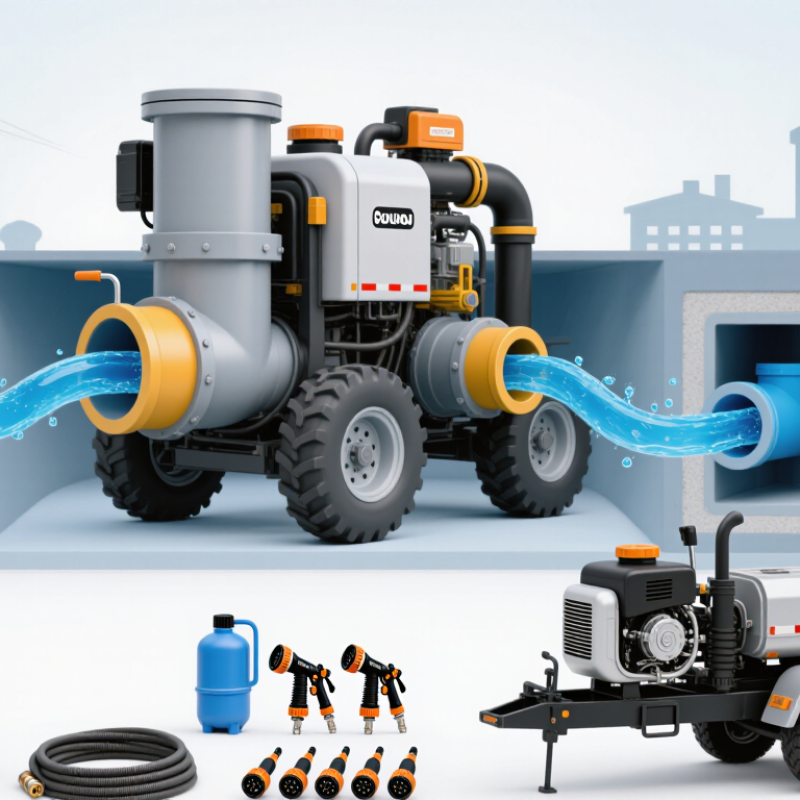
A sewer jetter uses pressurized water to clear buildup from drain and sewer lines. Its purpose is to remove grease, soft roots, sediment, and other deposits that restrict flow. It is not simply a stronger garden hose. A pump raises water pressure, while a hose and specialized nozzle direct the flow through the pipe.
The nozzle’s rear-facing jets help pull the hose forward and scour debris from the pipe wall. Some nozzles also have a forward jet for breaking through a blockage. Water carries loosened material toward an access point, where it can be removed or flushed onward. Keep the work area controlled. A wet floor can become slippery quickly.
Choosing a machine starts with the pipe’s diameter, length, material, and likely obstruction. Small indoor drains usually need less flow and a smaller hose than long, large-diameter lines. Pressure alone does not tell the whole story; water flow, nozzle design, and hose flexibility matter too. Check the pipe’s condition before jetting, since damaged or fragile sections may worsen under force. That detail is easy to miss. In practice, diagnosing a blockage can be uncertain, even with experience. It depends. Start conservatively and inspect the result rather than assuming one pass solved it.
