
How to Choose a Processing Heater in 2026?
Choosing a Processing Heater in 2026 is not just a burner or equipment decision. It affects product quality, energy use, uptime, and future operating costs. The U.S. Department of Energy’s Industrial Decarbonization Roadmap reports that industry accounts for about 30% of U.S. primary energy use. That makes heater performance a practical concern, not a minor specification detail.
The IEA’s Energy Efficiency 2024 report highlights efficiency as a key tool for reducing energy demand. Dr. Fatih Birol, the IEA’s Executive Director, has described energy efficiency as “the first fuel.” The phrase is broad, not heater-specific, but it offers a useful lens for comparing options. A sound evaluation should start with process duty, required outlet temperature, heat-transfer limits, fuel availability, and operating hours. Then compare thermal efficiency, turndown, emissions, controls, maintenance access, and total lifecycle cost. A high nameplate rating alone proves little.
Details matter. A heater serving a steady process may need different controls from one facing frequent startups and changing loads. Check the actual temperature profile, product sensitivity, and space available for installation. Ask suppliers to explain their assumptions and provide performance data at your operating conditions. A spreadsheet can clarify trade-offs. It cannot capture every maintenance delay or production constraint. That gap deserves attention. This guide will help readers assess heater types, define selection criteria, and identify questions to resolve before requesting quotations. The best choice is rarely the most impressive brochure; it is the one that reliably meets the process need.
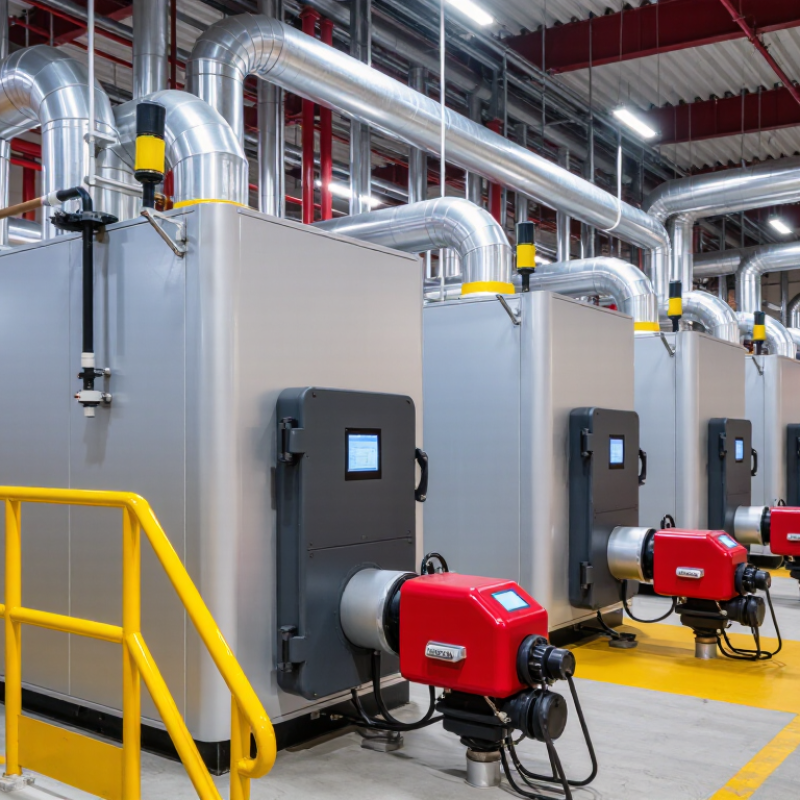
Define the Process Requirements and Operating Conditions
Before comparing heater types, define the job in measurable terms: material, batch or continuous throughput, inlet and target temperatures, and allowable temperature variation. The U.S. Department of Energy’s Improving Process Heating System Performance sourcebook estimates that process heating accounts for about two-thirds of manufacturing energy use. That makes real operating data worth collecting, not guessing. Record hourly demand, startup frequency, turndown range, and whether the load changes during a shift. Small details matter. A tank that runs steadily differs from a line that needs rapid recovery after each cycle.
Then check the conditions around the heater: available electrical capacity or fuel supply, ambient temperature, ventilation, exhaust limits, and space for maintenance. The IEA’s Tracking Industry analysis puts industry at roughly 37% of global energy use, underscoring why efficiency belongs in the specification alongside output. Compare options at the actual operating point, including heat losses and expected control accuracy, rather than relying only on a peak-rated capacity. Do not guess. If product temperature is critical, confirm sensor location and response time with a process engineer. One planning gap is easy to miss: future throughput may differ from today’s, but oversizing can also reduce control performance at low loads. Recheck the assumptions against a representative production week.
