
How to Choose 8K Stainless Steel Plate in 2026?
Choosing an 8k Stainless Steel Plate in 2026 takes more than checking whether its surface looks mirror-bright. “8K” generally describes a highly polished finish, not a stainless steel grade or a complete performance specification. A reflective sheet can still disappoint if its alloy, thickness, flatness, or protective film does not suit the job.
Demand gives buyers reason to compare carefully. The World Stainless Association reported global stainless steel melt-shop production of 58.4 million tonnes in 2023. Grand View Research estimated the global stainless steel market at USD 130.4 billion that year, with further growth projected. These figures describe the wider market, not 8K plate sales. Still, they show why consistent quality and traceable sourcing matter.
Look beyond the showroom shine. Check the material grade against the environment, then review the mill test certificate, surface condition, and dimensional tolerances. ASTM A480/A480M provides relevant requirements for flat-rolled stainless steel, but a finish label alone cannot confirm compliance or suitability. Ask how the plate was polished, inspected, and packed. A clean sample may hide fine scratches that appear under bright factory lighting. That detail matters.
There is no universal “best” plate. The right choice depends on whether it will face moisture, frequent cleaning, fabrication, or close visual inspection. This guide explains how to compare those factors, question supplier claims, and specify an 8K Stainless Steel Plate with fewer surprises. One caution remains: a perfect mirror finish is not proof of durable performance.
Understanding the 8K Mirror Finish and Its Common Uses
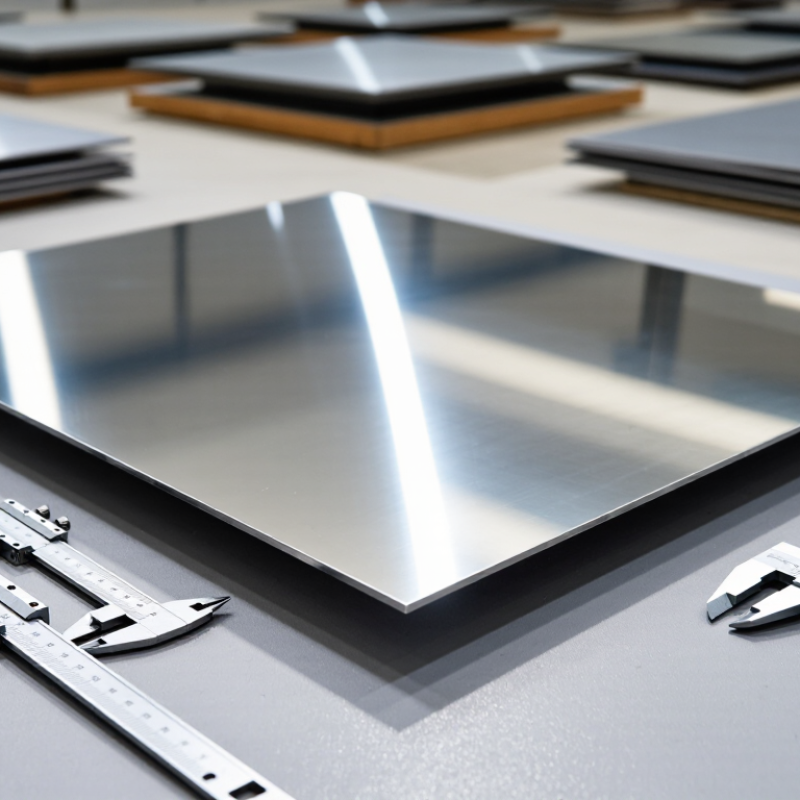
An 8K stainless steel plate is valued for its bright, mirror-like surface. The finish is produced through successive polishing stages, rather than by adding a reflective coating. In practice, “8K” can vary slightly between suppliers, so the label alone is not enough. Request a physical sample and inspect it under lighting similar to the installation site. Reflections can look crisp in a showroom but reveal waviness under long, direct light.
When choosing a plate, confirm the stainless steel grade, thickness, flatness, and protective film. The grade should suit the environment; a highly polished surface does not automatically provide better corrosion resistance. Check both sides and edges for marks, and ask how the sheet was packed and handled. A sample helps. One easy mistake is judging gloss while overlooking distortion or tiny polishing lines.
Common uses include elevator interiors, wall panels, columns, decorative trim, and retail displays. The finish helps brighten enclosed spaces by reflecting light. It also shows fingerprints, water spots, and fine scratches clearly, especially near doorways or busy counters. For wet areas, consider cleaning routines and exposure to cleaners before specifying it. A mirror finish is striking, but sometimes a softer surface is simply easier to live with.
