
How Does Cross Border Trucking Work in 2026?
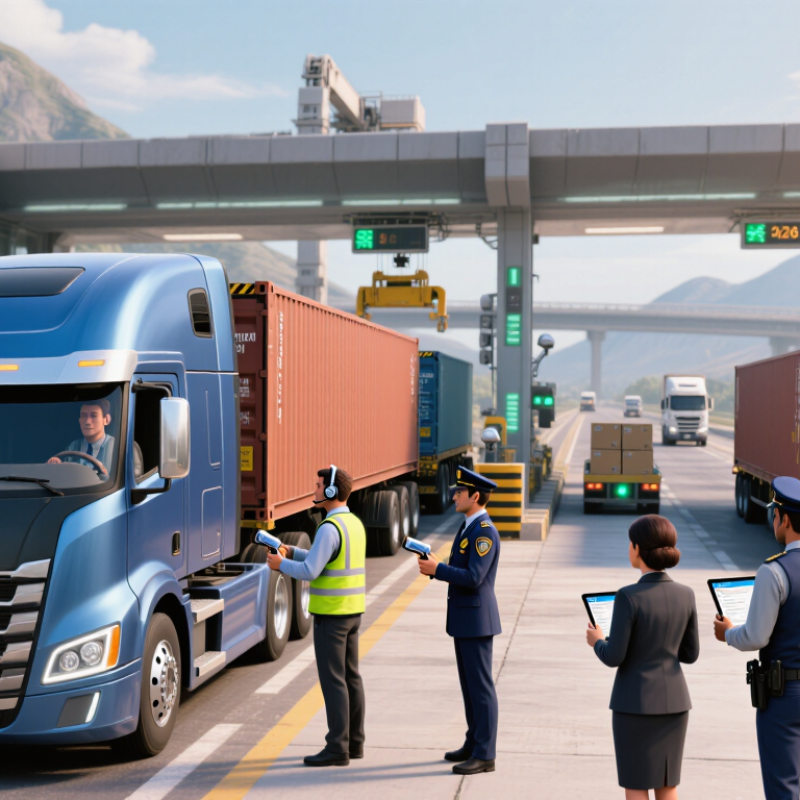
In 2026, Cross Border Trucking is less a single border crossing than a coordinated handoff between carriers, customs brokers, shippers, and government agencies. A typical shipment starts with confirmed cargo details, a route, and the documents required by the countries involved. The truck then travels to an approved crossing, where officials review declarations and may inspect the load. After release, it continues with the same driver or transfers to another carrier, depending on the route and operating arrangement. Small mismatches matter. A weight discrepancy or missing shipment reference can leave a loaded trailer waiting in a queue.
The workload behind those handoffs is real. The International Road Transport Union’s 2024 Global Truck Driver Shortage Report estimated 3.6 million unfilled truck-driver positions across 36 countries. That figure is not limited to cross-border routes, but it highlights the staffing pressure that can affect schedules and capacity. Technology helps carriers share shipment status and prepare records, yet it cannot guarantee a smooth crossing. Local procedures, inspection decisions, weather, and terminal congestion still shape transit times. The tidy diagrams leave this out. In practice, the process can be orderly and still unpredictable. This guide explains the main stages, the documents and partners involved, and the practical questions businesses should ask before booking an international road shipment.
2024 U.S.–Canada–Mexico Goods Trade Reached $1.6T (U.S. Census Bureau)
In 2024, U.S. goods trade with Canada and Mexico totaled about $1.6 trillion, according to U.S. Census Bureau trade data. That figure represents millions of shipments moving through busy border corridors, not just a headline. In practice, a truck shipment needs accurate invoices, cargo details, and customs documentation before it reaches an inspection point. A customs broker can help prepare filings, while the carrier coordinates pickup, border crossing, and delivery. Origin records also matter: USMCA tariff treatment depends on whether goods meet the agreement’s rules, not simply on where a truck starts.
Trucks carry much of this trade. The U.S. Bureau of Transportation Statistics reported that trucks moved about $947 billion in U.S.–Canada–Mexico freight in 2023, out of roughly $1.57 trillion across all transport modes. At a crossing, officials may review documents or inspect the load, so missing details can turn a short wait into a missed delivery window. Small delays matter. A practical 2026 plan builds in time for traffic, inspection, and handoffs between carriers. Those handoffs can still feel clumsy; digital paperwork helps, but it does not make every border process predictable.
