
What Is Green Ball Tennis and Why Is It Popular?
Green Ball Tennis is a developmental format designed to help young players move toward full-court tennis. It uses a lower-compression green ball, which travels more slowly than a standard yellow ball. This gives beginners extra time to read the bounce, prepare the racket, and choose a safer shot. The change may look small. It can transform a child’s experience.
Coaches commonly use Green Ball Tennis for players developing rally control, movement, and basic match awareness. The format often supports play on a full-size court, while making the ball easier to manage. A child can watch the ball rise, adjust their feet, and recover before the next shot arrives. These repeated actions build practical habits, not just theoretical knowledge. They also make practice feel more like real tennis. That matters.
Its popularity comes from a simple balance between challenge and confidence. Players can attempt longer rallies without feeling rushed by every ball. Parents may also notice clearer progress, especially when children begin serving, returning, and scoring independently. Yet the format is not magic. Some players still need smaller courts, slower drills, or more time before competing. Coaches must observe skill, age, confidence, and coordination rather than follow one fixed timetable. Even the green ball can feel too fast on a windy day. That detail is easy to overlook.
When used thoughtfully, Green Ball Tennis creates a smoother bridge between beginner activities and advanced competition. It encourages active decision-making while keeping errors manageable. More importantly, it lets young athletes experience meaningful points early. That experience can shape motivation, resilience, and long-term enjoyment of the sport.
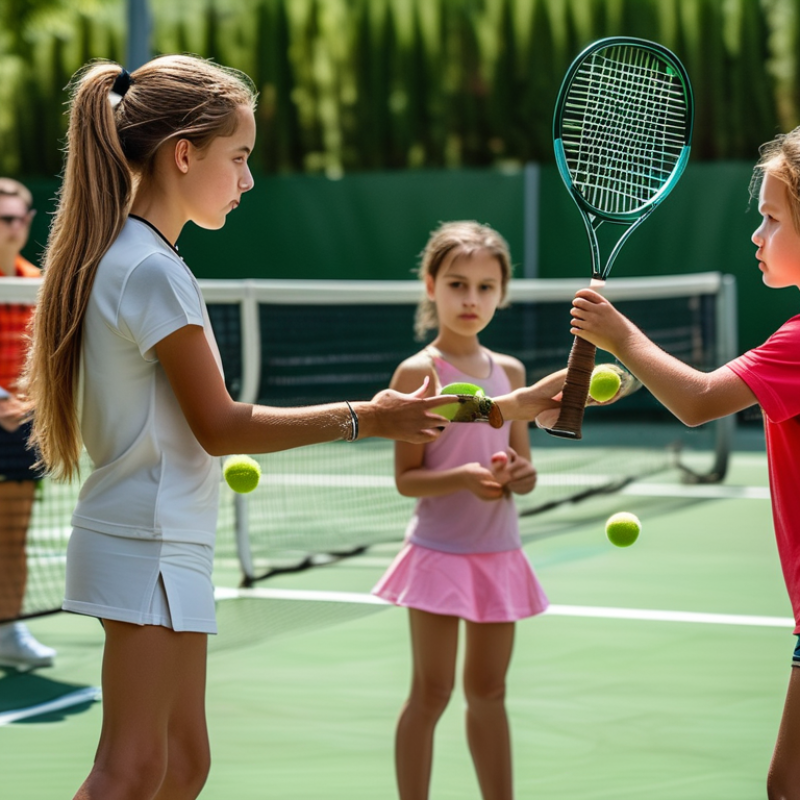
What Is Green Ball Tennis?
What Is Green Ball Tennis and Why Is It Popular?
What Is Green Ball Tennis?
Green ball tennis is a youth format played on a full-size court with a slower, lower-compression ball. According to International Tennis Federation standards, the green ball moves about 25% slower than a traditional yellow ball. This gives young players more time to prepare, move, and choose a shot.
It feels more manageable.
A coach may see the difference within minutes. Players can rally longer, recover after wide balls, and serve without forcing maximum power. The slower bounce also helps them recognize height, spin, and court position. These details build practical skills, not just early confidence.
The ITF’s 2024 Global Tennis Report recorded more than 106 million tennis players worldwide. That figure reflects tennis’s broad appeal, while junior participation depends heavily on accessible learning environments. Green ball tennis supports that need through familiar scoring, real court dimensions, and adaptable drills. Research from the ITF’s player-development framework also places green-ball play in the progression toward full-speed competition.
It is not perfect.
Some beginners still struggle with court coverage, especially during long rallies. Coaches may also overuse simplified drills, which can delay decision-making. A better session mixes short games, target practice, and open-point play. Players then learn when to attack, defend, or simply return one more ball.
