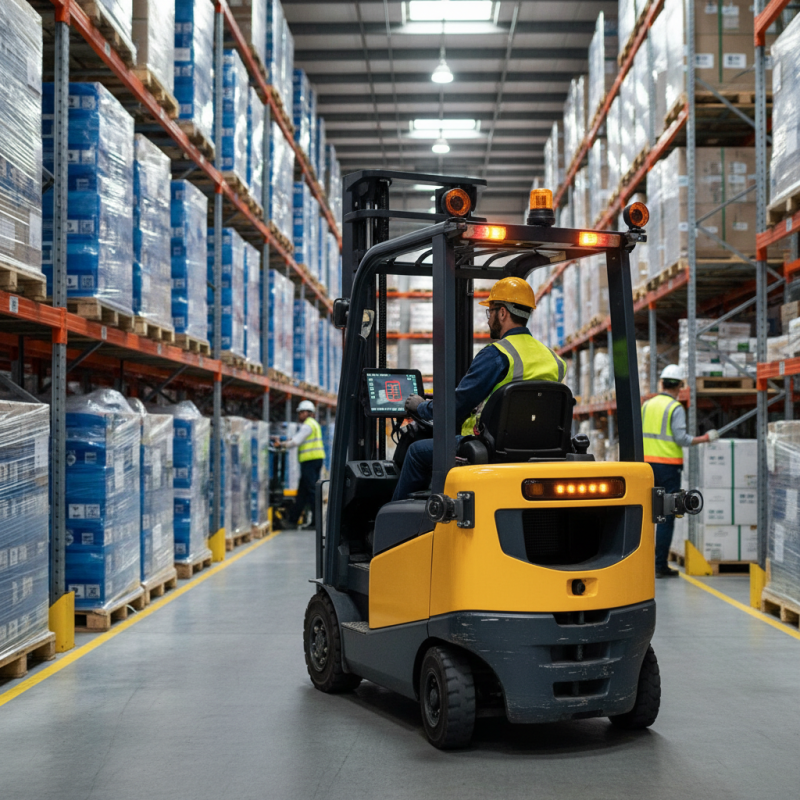
What is a Forklift Collision Detection System and How Does It Work?
In busy warehouses, safety is crucial. One essential technology enhancing this is the Forklift Collision Detection System. This system is designed to prevent accidents caused by forklifts, which can often lead to serious injuries or damage.
The Forklift Collision Detection System uses sensors and cameras to detect nearby obstacles. When a forklift approaches a potential collision, the system alerts the operator, giving them time to react. This technology not only protects workers but also minimizes costly damages to equipment and inventory.
However, like all systems, it is not infallible. Operators must remain vigilant and trained to respond effectively. Regular maintenance of the system is also vital for optimal performance. Awareness of its limitations can lead to better safety practices in the workplace. Implementing a Forklift Collision Detection System is a step towards a safer operating environment.
What is a Forklift Collision Detection System?
A Forklift Collision Detection System is crucial for enhancing safety in warehouses and industrial environments. This technology helps prevent accidents between forklifts and pedestrians or obstacles. By using sensors and cameras, the system detects potential collisions in real-time. When a risk is identified, it alerts operators, allowing them to take immediate action to avoid harm.
These systems are designed to be intuitive. They utilize ultrasonic, radar, or LiDAR sensors to monitor the surroundings. If an object is too close, a warning signal, often visual or auditory, activates. This early detection can save lives and reduce damage to goods. Still, the effectiveness of these systems relies on proper installation and operator training.
While these systems significantly improve safety, they are not foolproof. There are instances where sensors may misread objects or fail in complex situations. Regular maintenance is essential to ensure reliability. Operators must remain vigilant, as technology should complement their awareness, not replace it. Continuous learning and adaptation are key to maximizing the benefits of a collision detection system.
Key Components of Forklift Collision Detection Systems
Forklift collision detection systems are vital for enhancing safety in warehouses and industrial settings. These systems utilize various key components to prevent accidents and protect both personnel and equipment. One crucial element is the use of sensors, such as ultrasonic or LiDAR, which detect nearby obstacles. These sensors provide real-time data, alerting operators to potential collisions.
Another important component is the software that processes sensor data. This software can analyze the environment and generate timely warnings to drivers. The integration between hardware and software is critical for effective communication and rapid response. Operators must familiarize themselves with the system, as human error can still occur. Regular training ensures that staff understand the technology.
Tips: Ensure that all employees receive thorough training on collision detection features. Consider periodic refreshers to maintain awareness and prevent neglect. Additionally, check sensor calibration regularly. A misaligned sensor may create false readings, which can lead to accidents. Constant vigilance and reliance on technology should be balanced with human observation.
Forklift Collision Detection System - Key Components
How Forklift Collision Detection Systems Function
Forklift Collision Detection Systems are critical for enhancing workplace safety. These systems serve to prevent accidents in environments where forklifts operate. According to a report by the National Institute for Occupational Safety and Health (NIOSH), approximately 85 fatalities and 34,000 injuries occur annually in forklift-related incidents. This staggering figure highlights the need for effective safety solutions.
Collision detection systems typically function through a combination of sensors and software. They use technologies such as LiDAR or ultrasonic sensors to detect nearby obstacles. When an obstruction is detected, the system sends alerts or automatically reduces the forklift's speed. A case study conducted by the American Society of Safety Professionals found that companies employing such systems saw a reduction in collision incidents by up to 30%.
Despite these advancements, some challenges remain. System sensitivity must be balanced to avoid false alarms. If too sensitive, the forklift may constantly slow down, frustrating operators and causing inefficiency. Additionally, training on the systems is often inadequate, leading to underutilization. Addressing these issues is crucial for maximizing the benefits of collision detection technology in forklift operations.
Benefits of Implementing Collision Detection Systems
Implementing a collision detection system for forklifts offers significant advantages. These systems use sensors to monitor the surrounding environment, providing real-time data to operators. This technology helps to prevent accidents by alerting operators to potential collisions. Studies indicate that workplaces with these systems experience fewer accidents.
Another benefit is the enhancement of safety protocols. Employees feel more secure knowing that such systems are in place. This leads to increased productivity since workers can focus on their tasks without constant fear of accidents. Regular training on collision detection systems becomes essential. Education ensures all personnel understand how to use the technology effectively.
However, challenges exist. Some operators may become overly reliant on the system, neglecting their judgment. This dependence can create new risks. It is crucial to balance technology with human awareness. Regular assessments and updates of the system enhance its reliability. Constant adaptation keeps safety measures relevant and effective.
Challenges and Limitations of Forklift Collision Detection Systems
Forklift collision detection systems are designed to enhance workplace safety. However, they come with their own set of challenges and limitations. One key issue is sensor reliability. According to industry reports, sensors can frequently misinterpret data in complex environments. Dust, debris, and varying light conditions affect sensor performance. A study highlighted that 30% of collisions occurred in areas where poor sensor visibility was a factor.
Another challenge is integration with existing systems. Many facilities operate with legacy systems that lack compatibility with modern technology. This can hinder the effectiveness of collision detection systems. As reported by experts, nearly 25% of installations fail due to integration issues, leading to safety gaps. Additionally, operators may face resistance to changing established safety protocols, complicating implementation.
Maintenance is also a concern. Regular calibration and servicing of sensors are crucial for optimal performance. However, many organizations neglect this aspect. A survey found that 40% of facilities did not have a maintenance plan for their collision detection systems. This oversight can lead to reduced accuracy, increasing the risk of accidents.
What is a Forklift Collision Detection System and How Does It Work? - Challenges and Limitations of Forklift Collision Detection Systems
| Feature | Description | Challenges | Limitations |
| Sensor Types | Utilizes ultrasonic, laser, or camera sensors to detect obstacles. | Sensor interference from environmental factors like dust and lighting. | Limited detection range in certain scenarios may lead to accidents. |
| Real-Time Alerts | Provides immediate feedback to forklift operators during potential collisions. | Dependence on operator training and response time. | False alarms can desensitize operators to warnings. |
| Integration | Can be integrated with warehouse management systems for improved logistics. | Complexity of integration with existing systems. | May require significant upgrade costs for older infrastructure. |
| Data Analytics | Analyzes driving patterns and incident reports to enhance safety. | Data privacy concerns regarding employee monitoring. | Data overload; requires effective analysis methods. |
| Maintenance | Regular checks required for system efficacy and reliability. | Potential for overlooking maintenance leading to system failure. | Costs associated with ongoing maintenance and equipment updates. |